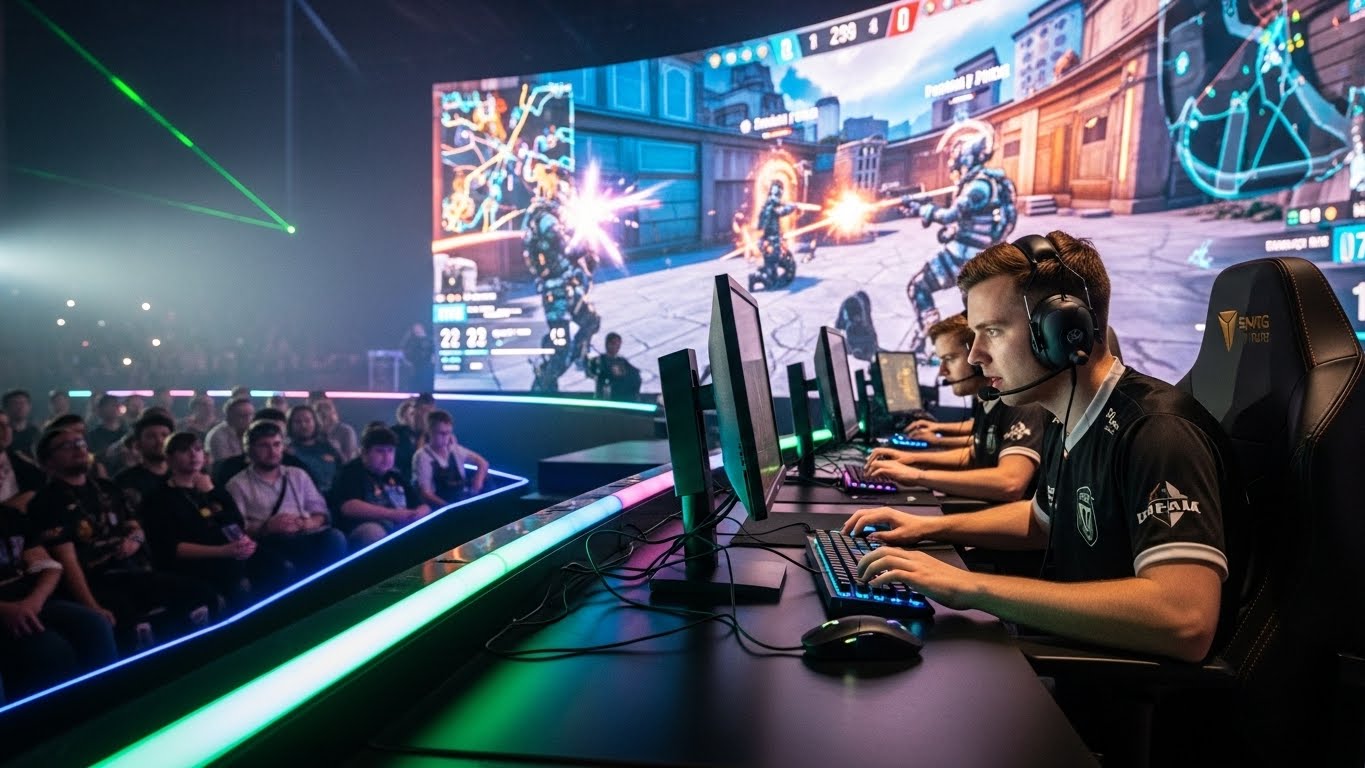
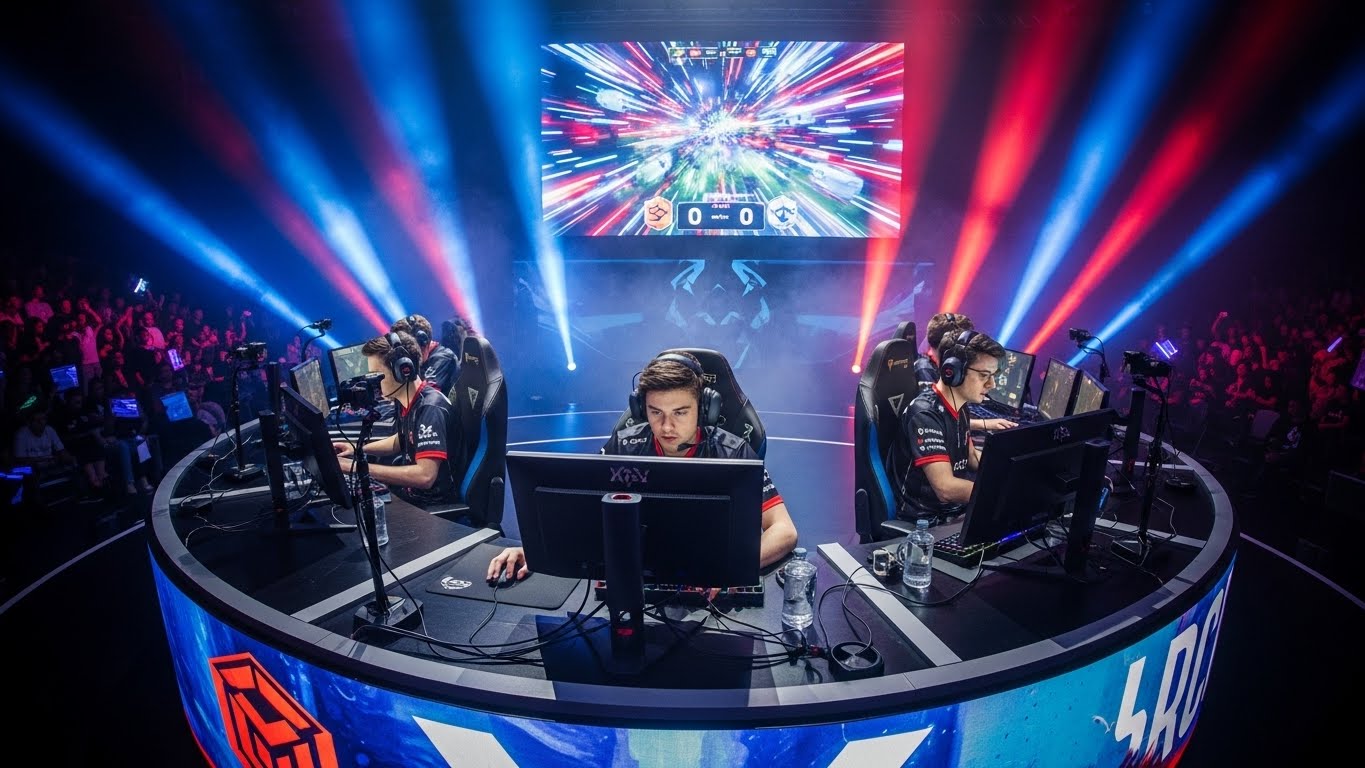
Esports, or competitive video gaming, has evolved from niche gatherings in local arcades to a global phenomenon captivating millions of viewers and participants worldwide. Once dismissed as a hobby, esports now stands as a legitimate industry with professional players, dedicated teams, lucrative sponsorships, and massive tournaments. Its growth reflects not only technological advancement but also a cultural shift in how society perceives competitive gaming.
The Origins of Esports
The roots of esports can be traced back to the late 1970s and early 1980s, when arcade competitions began gaining popularity. Titles like Space Invaders and Pac-Man laid the groundwork for competitive gaming, although these events were largely local and informal. The 1980s also saw the emergence of early home console tournaments, such as the Atari National Space Invaders Championship, which drew hundreds of participants and marked one of the first large-scale video game competitions.
During the 1990s, competitive gaming became more structured with the rise of PC gaming. Titles like Doom, Quake, and StarCraft cultivated a generation of players who honed their skills in multiplayer arenas, often communicating through early online platforms. The release of StarCraft in South Korea proved particularly pivotal, as it transformed gaming into a spectator sport and laid the foundation for professional leagues.
The Rise of Professional Gaming
The 2000s witnessed the professionalization of esports, as organized tournaments and leagues began to offer significant prize pools. Games such as Counter-Strike, Warcraft III, and League of Legends became staples in competitive circuits. South Korea emerged as a hub for professional gaming, thanks in part to government support, the widespread availability of internet cafés, and the country’s strong cultural emphasis on skill-based competition.
Professional players began to gain celebrity status, and esports teams started to operate like traditional sports franchises, complete with coaches, analysts, and rigorous training schedules. The industry also saw the introduction of sponsorships from major brands, signaling a shift in perception from casual pastime to a viable career path.
Major Esports Titles and Genres
Esports is not a monolith; it encompasses a wide range of game genres, each with unique competitive structures.
Multiplayer Online Battle Arenas (MOBAs)
MOBAs like League of Legends and Dota 2 dominate the esports landscape due to their strategic depth and team-based gameplay. These games require precise coordination, tactical planning, and individual skill, making them ideal for high-stakes tournaments. Dota 2’s International tournament, for example, has boasted prize pools exceeding thirty million dollars, reflecting the massive scale and global interest in competitive MOBAs.
First-Person Shooters (FPS)
FPS games such as Counter-Strike: Global Offensive, Call of Duty, and Overwatch emphasize reflexes, accuracy, and map control. Tournaments in this genre often feature fast-paced, intense matches, and the spectator experience benefits from dynamic visuals and strategic depth. FPS esports has cultivated strong professional communities, especially in North America and Europe.
Battle Royale Games
Recent years have seen the rise of battle royale titles like Fortnite, PUBG, and Apex Legends. These games blend survival mechanics with competitive shooting, and their popularity has surged due to the combination of large-scale multiplayer engagement and entertainment value for viewers. Battle royale tournaments often feature massive prize pools and attract millions of online viewers.
Sports and Racing Simulations
Esports also includes realistic sports simulations like FIFA, NBA 2K, and racing games such as iRacing or Gran Turismo. These games appeal to traditional sports fans and combine the thrill of virtual competition with the familiarity of real-world sports mechanics.
The Spectator Experience
One of the defining factors behind esports’ meteoric rise is its accessibility as a spectator sport. Platforms like Twitch, YouTube Gaming, and various streaming services have made watching live tournaments simple and interactive. Fans can engage with content creators, discuss strategies, and celebrate victories in real time.
The spectator experience in esports differs from traditional sports in significant ways. Viewers have access to instant replays, player stats, and multiple camera angles, enhancing understanding and engagement. Professional commentators, known as casters, provide play-by-play narration and strategic analysis, further elevating the entertainment value.
Esports Culture and Community
Esports has fostered a global culture that blends gaming, technology, and social interaction. Communities form around individual games, teams, or players, often facilitated by social media and online forums. Fans share strategies, celebrate achievements, and debate rankings, creating vibrant digital ecosystems.
Moreover, esports culture extends beyond gameplay. Cosplay, fan art, live events, and merchandise contribute to a shared identity among enthusiasts. Gaming conventions and live tournaments offer in-person opportunities to celebrate the culture, combining performance, entertainment, and community engagement.
Economic Impact of Esports
Esports has grown into a multibillion-dollar industry with economic significance in several key areas. Sponsorship deals and advertising revenue have become major financial drivers, as brands recognize the marketing potential of reaching engaged, often younger audiences. Companies invest in team sponsorships, tournament naming rights, and streaming partnerships to tap into the market.
Professional leagues generate revenue through ticket sales, media rights, and merchandise, while individual players can earn salaries, streaming income, and endorsement deals. The industry also stimulates related sectors, including hardware manufacturers, software developers, event organizers, and content creators.
Training and Professional Development
Professional esports players adhere to rigorous training routines. Unlike casual gaming, competitive play demands physical stamina, mental acuity, and strategic preparation. Teams employ analysts to study opponents, coaches to refine tactics, and psychologists to support mental well-being.
Players often dedicate hours daily to practice, focusing on mechanics, team coordination, and communication skills. Many also maintain fitness regimens to improve reaction time, reduce fatigue, and prevent injuries such as repetitive strain disorders.
Challenges Facing the Industry
Despite its growth, esports faces challenges. Sustainability remains a concern, as not all teams or players achieve financial stability. The competitive environment is high-pressure, leading to burnout and mental health issues among professionals.
Furthermore, esports struggles with issues such as cheating, doping, and harassment within communities. Regulatory frameworks are still evolving, and the lack of standardization across regions can create disparities in competition and opportunity.
Accessibility is another challenge, particularly in regions where internet connectivity and gaming infrastructure are limited. Addressing these issues is essential for ensuring long-term growth and inclusivity.
Esports and Education
In recent years, esports has intersected with education. Many universities offer esports scholarships and establish varsity teams, recognizing competitive gaming as a legitimate avenue for skill development and career opportunities. Educational programs cover game design, broadcasting, team management, and sports psychology, bridging academic knowledge with industry practice.
Esports in schools and universities also promotes teamwork, strategic thinking, and digital literacy, highlighting the potential of gaming as a developmental tool rather than merely a pastime.
The Future of Esports
Looking ahead, esports is poised for continued growth and innovation. Advances in virtual reality, augmented reality, and artificial intelligence may redefine gameplay, spectator experiences, and training methods. Cross-platform integration will allow more diverse participation, while emerging regions may contribute new talent and audiences.
Esports may also gain broader recognition as a traditional sport, with potential inclusion in multi-sport events and international competitions. As the industry matures, collaboration with mainstream media, entertainment, and education will expand its cultural footprint.
Conclusion
Esports has transformed from modest arcade competitions into a global entertainment and professional industry. Its evolution reflects technological progress, cultural shifts, and the potential of gaming as a competitive, social, and economic force. With millions of players, fans, and stakeholders, esports is no longer just a hobby—it is a dynamic, influential ecosystem shaping the future of entertainment, technology, and culture.
The rise of esports demonstrates the power of passion, skill, and community in creating new forms of competition and engagement. As it continues to expand, the industry promises to inspire innovation, celebrate talent, and unite players and fans across the globe in a shared love for gaming.