The world of competitive gaming, or esports, has evolved from a niche pastime to a global phenomenon in less than two decades. What was once dismissed as casual gaming has transformed into a multi-billion-dollar industry that attracts professional players, sponsors, and millions of passionate fans worldwide. Esports is redefining the concept of competition, blending technology, entertainment, and skill in a way that traditional sports cannot. This blog explores the rise of esports, its cultural impact, economic significance, challenges, and the future of this dynamic industry.
The Origins of Competitive Gaming
Esports has its roots in the early days of arcade and console gaming. In the late 1970s and 1980s, gaming competitions were small-scale, often hosted in local arcades with games like Space Invaders and Pac-Man. These events attracted dedicated fans, but the concept of professional competitive gaming was still in its infancy.
The real shift began in the 1990s with the advent of multiplayer PC games and online connectivity. Titles like StarCraft in South Korea and Counter-Strike in Western countries laid the groundwork for structured competitions. South Korea, in particular, became a pioneer in professional esports, treating gaming as a legitimate sport with salaries, sponsorships, and organized leagues. These early developments set the foundation for what would become a global esports revolution.
The Explosive Growth of Esports
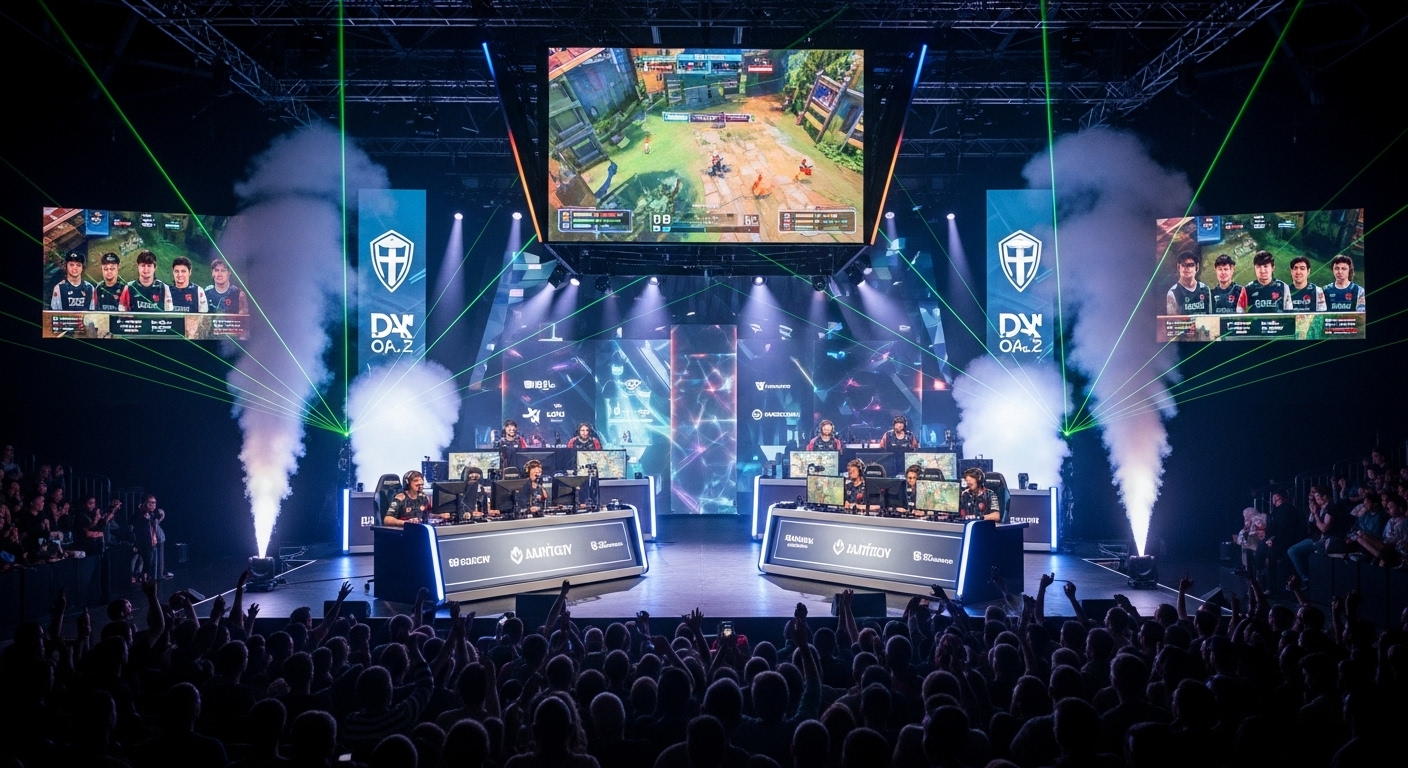
Over the last decade, esports has experienced unprecedented growth. Streaming platforms have enabled millions of fans to watch tournaments in real time, creating a global fanbase that transcends borders. Major tournaments now fill stadiums and attract viewership comparable to traditional sports events.
Popular games such as League of Legends, Dota 2, Fortnite, and Call of Duty have created massive communities and multi-million-dollar prize pools. The League of Legends World Championship, for instance, draws millions of viewers, showcasing elaborate productions and immersive fan experiences. Esports has transformed from hobbyist competitions into a professional industry with significant cultural and economic impact.
The Professional Esports Ecosystem
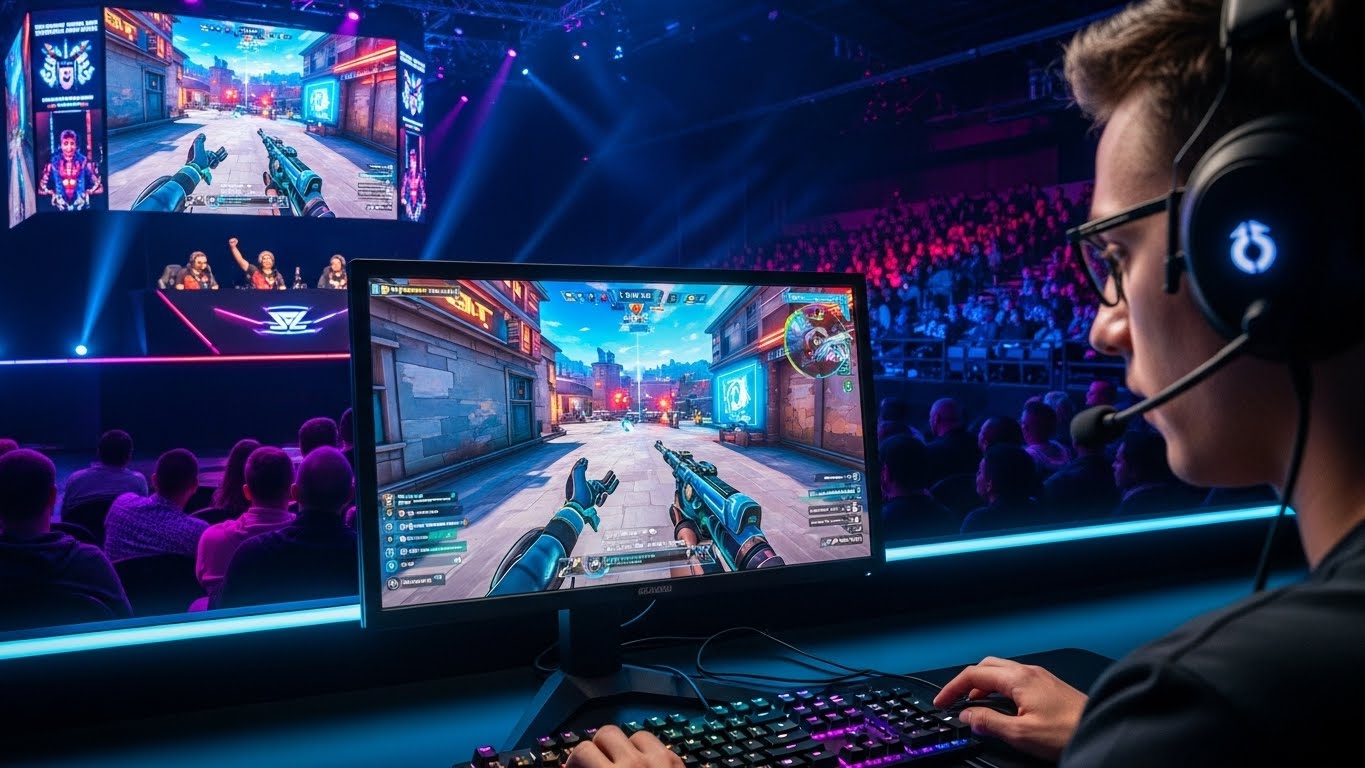
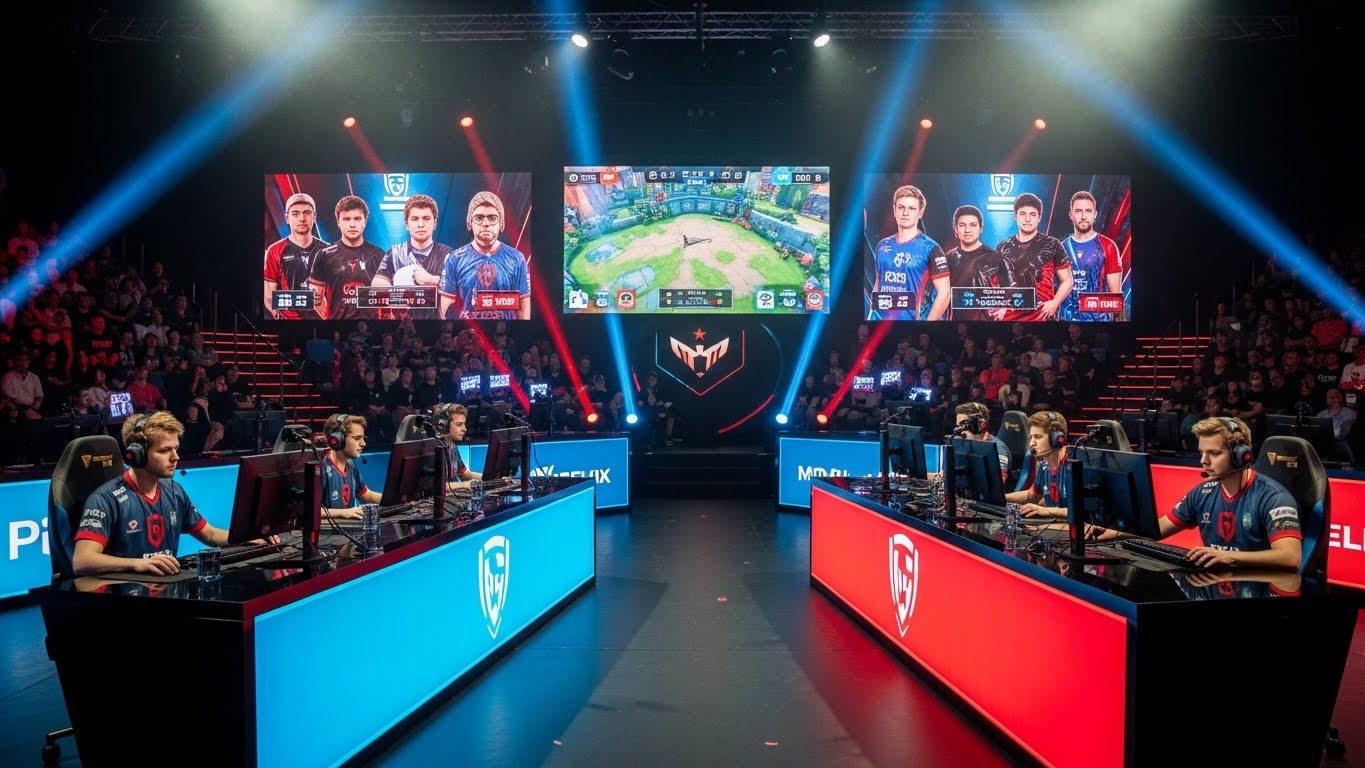
The professional esports ecosystem is complex, involving players, teams, tournament organizers, sponsors, and broadcasters. Players often start training at a young age, dedicating countless hours to practice and strategy development. Teams operate similarly to traditional sports franchises, providing coaching, performance analysis, and physical and mental training to maximize results.
Tournament organizers ensure structured competitions, ranging from local events to international championships. Sponsors play a crucial role by funding teams and tournaments, while also reaching a young, tech-savvy audience through targeted marketing. Broadcasters and streaming platforms amplify this engagement, providing live commentary, analysis, and interactive experiences for viewers worldwide.
Esports as a Career
Esports has created viable career opportunities for professional players and beyond. Top players earn income through tournament winnings, sponsorships, and streaming revenue. Salaries for elite players can rival those of athletes in traditional sports. Beyond competing, esports careers extend to coaching, content creation, event management, broadcasting, and game development.
Universities and educational institutions have also recognized esports as a legitimate career path. Scholarships, dedicated training programs, and research initiatives are emerging, further legitimizing the industry. The professionalization of esports highlights its potential as a long-term, sustainable career option for individuals passionate about gaming.
Technological Advancements Driving Esports
Technology has been a critical factor in the growth of esports. High-performance computers, gaming consoles, advanced graphics cards, and low-latency internet connections enable players to perform at the highest level. Streaming technology allows fans to watch competitions live, interact with commentators, and follow their favorite teams and players.
Emerging technologies such as virtual reality and augmented reality promise to elevate esports further. These tools can provide immersive gameplay experiences and enhance audience engagement. Cloud gaming also increases accessibility, allowing players to participate without investing in expensive hardware. As technology continues to evolve, it will shape the future of esports both for competitors and spectators.
The Social and Cultural Impact of Esports
Esports has reshaped social interaction and cultural perceptions around gaming. Online communities foster collaboration, friendship, and competition across borders. Fans engage through forums, social media, and live chat, creating a sense of belonging and shared excitement.
Culturally, esports has challenged the traditional definition of sports. Professional gamers have achieved celebrity status, comparable to athletes in mainstream sports. Esports also promotes inclusivity, providing opportunities for individuals regardless of physical ability, gender, or location. The increasing representation of women, LGBTQ+ players, and competitors from developing regions is transforming the perception of gaming and its role in society.
The Economic Impact of Esports
Esports is a multi-billion-dollar industry with a rapidly growing economic footprint. Revenue streams include tournament prize pools, sponsorship deals, merchandising, streaming subscriptions, and broadcasting rights. Corporations recognize the marketing potential of esports, investing heavily in partnerships to reach younger audiences.
Investors and venture capitalists are funding esports-related startups, ranging from gaming platforms and training academies to analytics tools. The industry also creates jobs in event management, marketing, content creation, and technology development. The professionalization of esports contributes significantly to the global digital economy and continues to attract international attention.
Challenges Facing Esports
Despite its growth, esports faces several challenges. Player burnout is a significant concern due to long practice hours, high mental focus, and travel schedules. Mental health issues, including stress and anxiety, are increasingly acknowledged as critical areas of support.
Maintaining fair play is another challenge. Cheating, hacking, and match-fixing can threaten the integrity of competitions. Standardized regulations, player contracts, and transparent tournament rules are essential for credibility. Additionally, achieving diversity and inclusivity remains a work in progress, with gender gaps and regional disparities still present. Addressing these challenges is vital for the sustainable growth of esports.
The Future of Esports
The future of esports looks exceptionally promising. Mobile esports is expanding rapidly, especially in regions with limited access to high-end gaming hardware. Emerging technologies like virtual reality, augmented reality, and artificial intelligence are likely to create more immersive and engaging experiences.
Integration with traditional sports may also become more common, including hybrid events, collaborative marketing campaigns, and shared fan experiences. Educational institutions and governments may increasingly recognize esports as a legitimate sport, providing scholarships, training programs, and research funding. As the ecosystem matures, esports will continue to grow in sophistication, inclusivity, and global influence.
Conclusion: Gaming Beyond Entertainment
Esports has transcended its origins as a leisure activity to become a global cultural, social, and economic force. It provides career opportunities, technological innovation, entertainment, and community engagement, challenging traditional notions of competition and success.
While challenges remain, including mental health concerns, fair play, and inclusivity, the growth potential of esports is immense. For players, fans, and investors alike, esports represents a frontier of innovation, opportunity, and global connection. The industry continues to evolve, proving that competitive gaming is no longer just entertainment—it is shaping the future of digital sports and culture.