Introduction: The Emergence of Esports
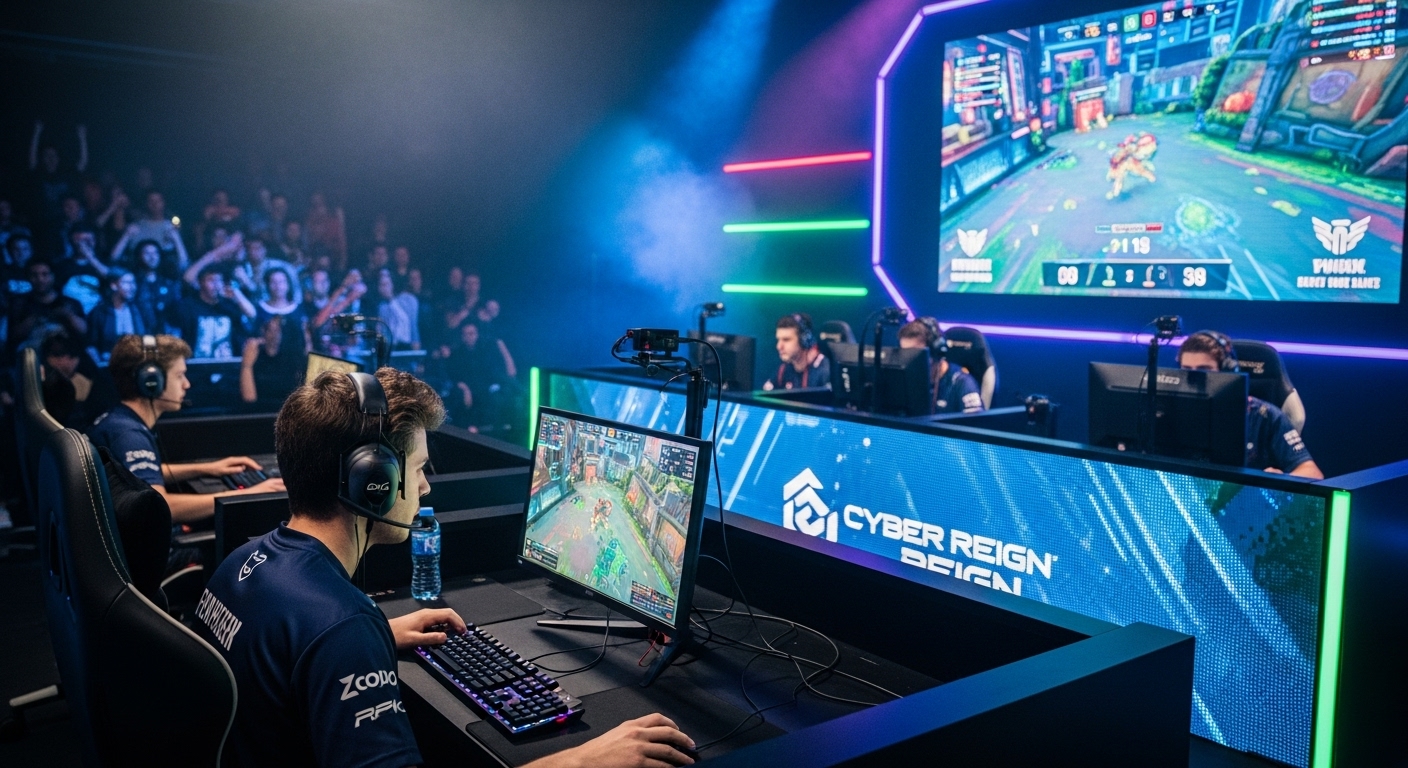
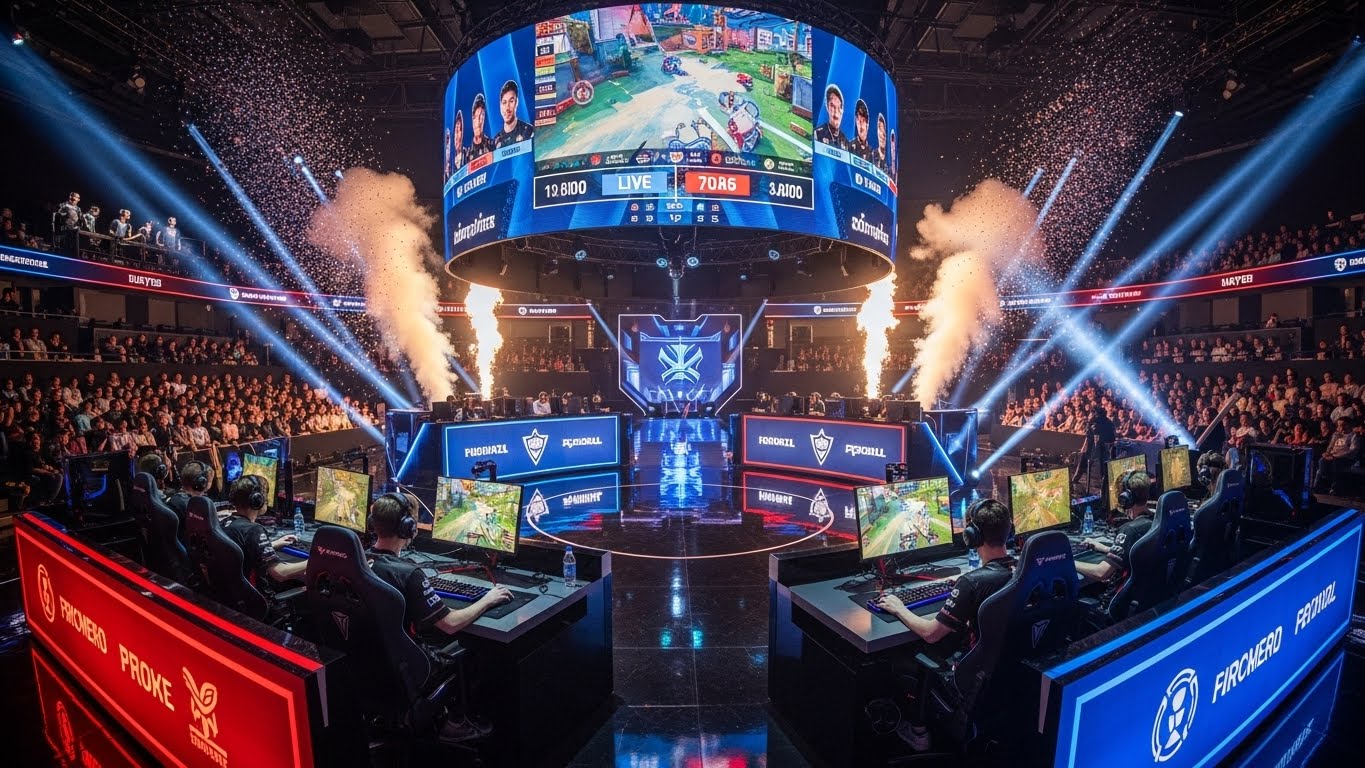
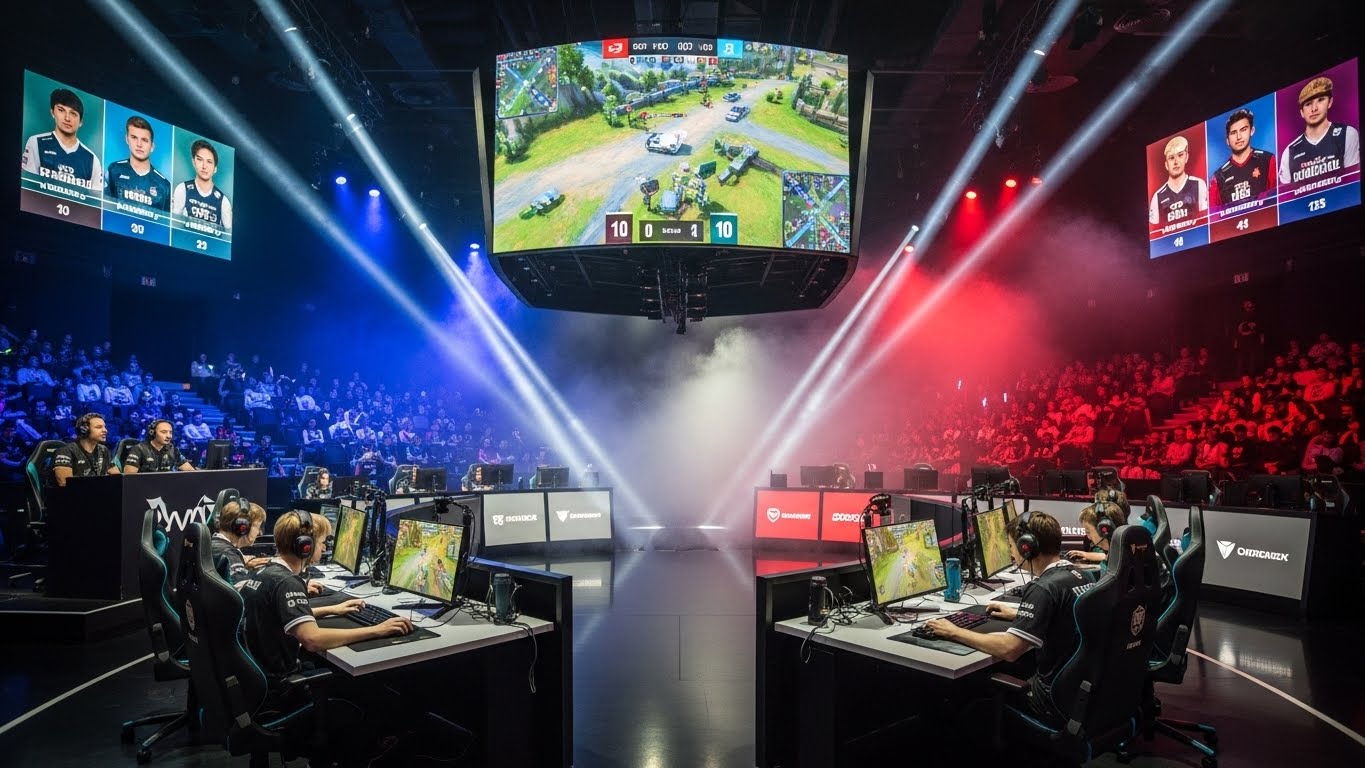
Esports, short for electronic sports, has rapidly transformed from a niche hobby into a global phenomenon. Once dismissed as a pastime for casual gamers, Esports now stands as a multi-billion-dollar industry, captivating millions of players and viewers worldwide. Competitive gaming blends strategy, skill, teamwork, and entertainment, creating an experience that rivals traditional sports in both excitement and cultural impact. From local tournaments in small gaming centers to grand international championships in arenas packed with fans, Esports has become a powerful force shaping the future of entertainment, careers, and community engagement.
The Global Expansion of Esports
Over the past decade, Esports has experienced unprecedented growth. Countries in Asia, particularly South Korea and China, pioneered the professional gaming scene, establishing leagues and cultivating an entire generation of professional players. North America and Europe followed, building robust competitive ecosystems around games such as League of Legends, Dota 2, Counter-Strike, and Fortnite.
The reach of Esports is now truly global. Millions of fans tune in online or attend live events to watch competitions, and platforms for streaming matches have made Esports accessible anywhere and anytime. The massive viewership reflects that Esports is not a fleeting trend but a permanent fixture in the entertainment landscape. Its cultural relevance is reinforced by mainstream media coverage, sponsorship deals, and the presence of professional teams around the world.
Skills Required to Succeed in Esports
At first glance, gaming may seem casual, but professional Esports demands exceptional skill, focus, and strategy. Players must have lightning-fast reflexes, precise hand-eye coordination, and the ability to make split-second decisions under pressure. Games often require players to think several steps ahead, anticipating opponents’ moves while executing complex strategies.
In team-based games, communication and collaboration are essential. Players must coordinate their actions, understand the strengths and weaknesses of their teammates, and adapt strategies in real time. Esports requires a balance between individual skill and teamwork, highlighting both personal mastery and cooperative efficiency.
Physical and Mental Preparation
Although Esports is a digital sport, physical and mental conditioning is critical. Maintaining physical fitness helps improve reaction time, endurance, and overall focus during long matches. Many professional players integrate regular exercise, balanced diets, and proper rest into their daily routines to enhance their performance.
Mental resilience is equally important. High-pressure tournaments, public scrutiny, and the constant drive to improve can be mentally taxing. Professional players often engage in mental conditioning, including meditation, stress management techniques, and focused practice sessions. These strategies help players remain calm under pressure, maintain consistency, and perform at their best.
Career Opportunities in Esports
Esports has opened a wide array of career opportunities beyond playing professionally. Top-tier players earn substantial salaries, sponsorships, and tournament winnings. Streamers and content creators generate income through advertisements, subscriptions, and donations. Coaches, analysts, team managers, and event organizers also play crucial roles in sustaining the industry.
Despite these opportunities, the path to success is challenging. Competition is fierce, and only a small percentage of aspiring players reach the professional level. Consistent practice, adaptability, strategic thinking, and networking are essential for those pursuing Esports careers. For those passionate about gaming, however, Esports offers a legitimate and rewarding career path that combines talent, dedication, and creativity.
Economic Impact of Esports
The economic influence of Esports is significant and growing. Revenue streams include tournament prize pools, sponsorships, merchandise sales, media rights, and advertising. Major competitions feature multi-million-dollar prize pools, attracting elite players worldwide. Brands recognize the value of Esports for reaching a digitally engaged audience, making sponsorships a key driver of industry growth.
Esports also contributes to local economies. Hosting international tournaments brings tourism, creates employment opportunities, and encourages investment in infrastructure. The economic dimension of Esports highlights that competitive gaming is not only entertainment but also a powerful force in shaping local and global economies.
Fan Culture and Community
A passionate and engaged fan base is a hallmark of Esports. Fans participate by watching live streams, attending tournaments, and engaging with communities online. Social media platforms allow direct interaction between players and fans, strengthening loyalty and engagement.
The culture surrounding Esports is creative and participatory. Fans produce content such as videos, artwork, and commentary, contributing to the identity and growth of the community. Esports communities are inclusive, welcoming people from diverse backgrounds and fostering collaboration, discussion, and shared enthusiasm for competitive gaming.
Esports in Education
Educational institutions are increasingly recognizing the value of Esports in skill development and career preparation. Many universities and colleges now offer Esports scholarships, professional training programs, and opportunities to compete in leagues. Academic programs often focus on game design, analytics, digital media, and sports management, bridging the gap between education and the industry.
Participation in educational Esports programs teaches critical life skills. Students develop teamwork, strategic thinking, communication, and time management abilities. These skills are applicable both within the gaming world and in future careers, illustrating that Esports is not only entertainment but also a platform for learning and personal growth.
The Role of Technology in Esports
Technology is central to the evolution of Esports. High-performance gaming computers, advanced peripherals, and reliable internet connectivity allow players to compete at the highest levels. Streaming technology enables millions of fans worldwide to watch matches live, while analytics tools provide insights to improve gameplay.
Emerging technologies, such as virtual reality and augmented reality, are expanding the possibilities of Esports. They offer more immersive gaming experiences and innovative ways for fans to engage with competitions. Technology ensures that Esports continues to evolve, providing a dynamic and engaging environment for both players and audiences.
Social Inclusion and Diversity
Esports stands out for its inclusivity. Unlike many traditional sports, competitive gaming allows participants from different cultural, gender, and physical backgrounds to compete equally. International tournaments unite players from diverse nations, fostering cultural exchange, understanding, and respect.
Women’s participation in Esports is increasing, breaking barriers and inspiring the next generation of players. Inclusive initiatives encourage wider representation and diversity, proving that dedication and talent, rather than demographics, determine success in the industry. Esports is setting a new standard for equality in competitive entertainment.
The Future of Esports
The future of Esports is bright and full of potential. Professional leagues, international tournaments, and online competitions will continue to expand. Advancements in artificial intelligence, virtual reality, and performance analytics will enhance training, gameplay, and fan experiences.
Challenges remain, such as maintaining fair play, ensuring player well-being, and establishing regulations to safeguard the industry. Despite these obstacles, the growth of Esports indicates that competitive gaming will continue to reshape entertainment, create career opportunities, and foster global communities in the years to come.
Conclusion: Esports as a Cultural and Professional Force
Esports has evolved from a casual hobby into a cultural, professional, and economic powerhouse. It merges strategy, technology, and entertainment, offering unique experiences for both players and fans. From developing teamwork and critical thinking skills to providing career opportunities and building global communities, Esports has a profound impact on modern society.
As technology advances and digital communities continue to grow, Esports will play an increasingly significant role in culture, education, and professional life. Competitive gaming is no longer just a pastime; it is a transformative force, redefining the way people play, connect, and pursue their passions.