Introduction: Esports as a Cultural Phenomenon
In the past two decades, entertainment and competition have undergone a transformation. While traditional sports like football, basketball, and cricket continue to dominate the global stage, a new form of competition has emerged: esports. Short for electronic sports, esports represents competitive gaming at a professional level. It has evolved from small gatherings of friends to massive global events, attracting millions of viewers and professional players.
Esports is not just about playing games; it is an industry, a community, and a culture. It combines strategy, skill, and digital innovation to create an immersive entertainment experience. From amateur gamers to professional athletes, esports has opened doors for individuals to turn their passion into a career. The following discussion explores the growth of esports, its global influence, and what the future holds for this dynamic digital sport.
The Origins of Esports: From Arcades to Global Stages
Esports has humble beginnings. In the late 1970s and early 1980s, arcade competitions were among the earliest forms of organized video game tournaments. Players competed for high scores in games such as Pac-Man and Space Invaders. These small competitions were primarily for local recognition, but they laid the foundation for competitive gaming culture.
The next major phase began with personal computers and online multiplayer games in the 1990s and early 2000s. Titles like StarCraft, Counter-Strike, and WarCraft III became the backbone of organized esports. South Korea played a particularly significant role in developing professional esports leagues, even broadcasting competitive matches on national television.
Over time, esports has transitioned into a fully professional industry. Today, international tournaments fill stadiums, and live-streamed events reach millions of fans online. This growth demonstrates the increasing legitimacy and popularity of competitive gaming as both entertainment and sport.
Why Esports Appeals to Millions
Esports attracts millions of participants and viewers worldwide, and its popularity continues to grow. Several factors contribute to its widespread appeal:
Accessibility
Esports can be enjoyed by anyone with a computer, console, or mobile device. Unlike traditional sports, which often require physical infrastructure or equipment, esports allows participation from virtually anywhere.
Global Community
Online platforms enable players and fans from different countries to connect, creating a sense of community that transcends geographic boundaries. Fans can cheer for teams, interact with players, and participate in discussions regardless of location.
Dynamic Gameplay
Games in esports are constantly evolving. Developers release updates, new characters, and patches that change gameplay dynamics. This ensures competitions remain fresh and keeps audiences engaged with new strategies and exciting gameplay.
Cultural Influence
Esports has become a cultural phenomenon, influencing fashion, music, and social media trends. Professional players often achieve celebrity status, while content creators and streamers build followings in the millions. The merging of gaming and pop culture has increased esports’ visibility and influence globally.
Popular Esports Genres and Games
Esports encompasses multiple game genres, each with its own competitive scene:
Multiplayer Online Battle Arena (MOBA)
MOBA games like League of Legends and Dota 2 dominate the esports landscape. They require strategic thinking, teamwork, and tactical decision-making, attracting large global audiences.
First-Person Shooters (FPS)
FPS games such as Counter-Strike, Valorant, and Call of Duty are known for fast-paced, action-oriented gameplay. Precision, reflexes, and coordination are essential, making these games thrilling to watch and play.
Battle Royale Games
Games like Fortnite and Apex Legends have gained popularity through their large-scale survival competitions. These games combine strategy, skill, and unpredictability, keeping audiences engaged.
Sports Simulations
FIFA, NBA 2K, and other sports simulation games merge the excitement of traditional sports with digital gameplay. Fans of the physical sports can enjoy esports versions, bridging the gap between gaming and athletic fandom.
Each genre contributes uniquely to the esports ecosystem, ensuring diversity and attracting a wide range of audiences.
Professional Esports Players: Athletes of the Digital Age
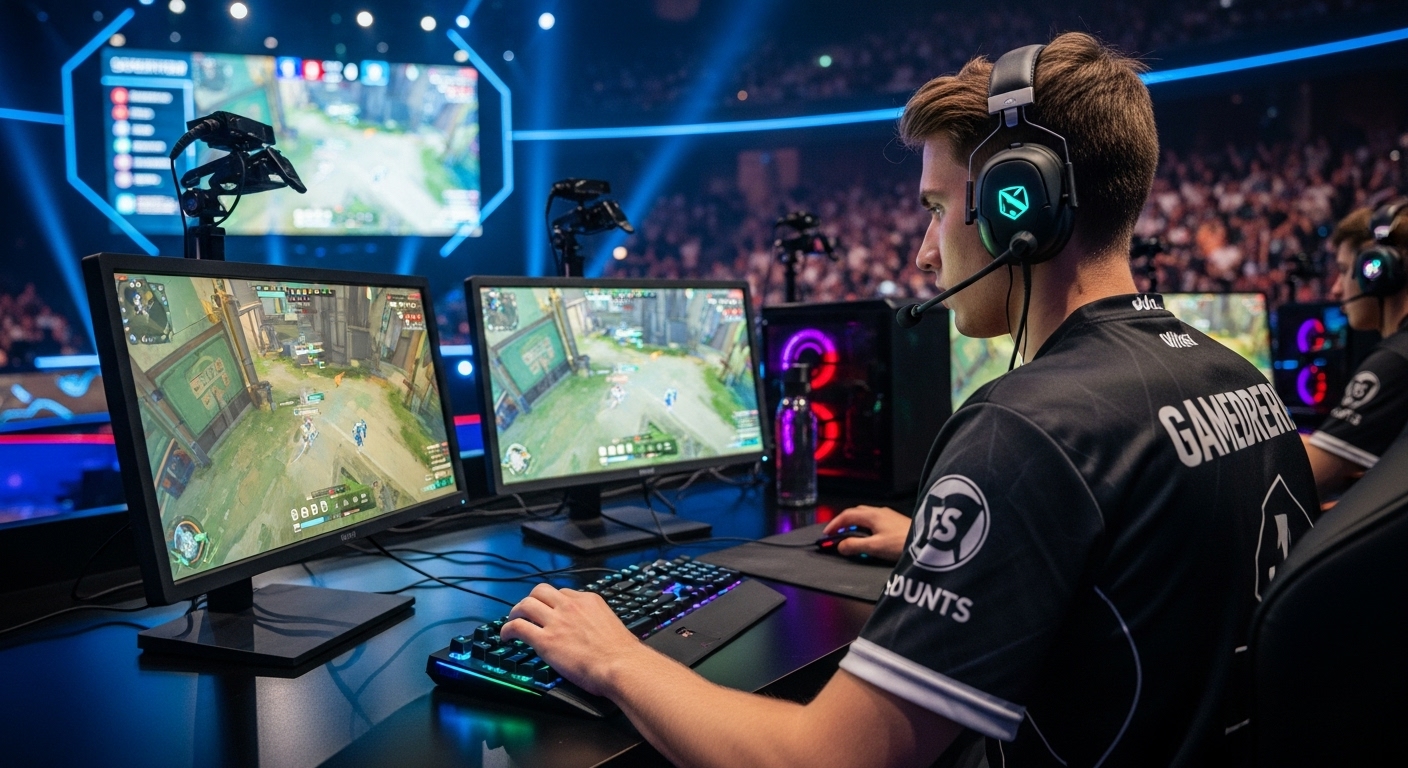
Professional esports players are central to the industry. They are not casual gamers; they are highly skilled, disciplined, and strategic athletes.
Training and Preparation
Professional players dedicate hours daily to practice. They refine gameplay mechanics, study opponents, and develop strategies to stay competitive. Many teams also employ coaches, analysts, and psychologists to optimize performance.
Team Dynamics
Esports often relies on teamwork. Effective communication, coordination, and synergy are critical for success. Individual skill alone is rarely enough; the best teams function cohesively under pressure.
Career Challenges and Opportunities
The competitive lifespan of an esports player is relatively short due to mental fatigue and constant innovation in games. However, retired players often transition to streaming, coaching, or content creation, allowing them to continue contributing to the industry.
Professional players inspire millions of aspiring gamers, demonstrating that dedication, practice, and strategy can lead to global recognition.
The Spectacle of Esports Tournaments
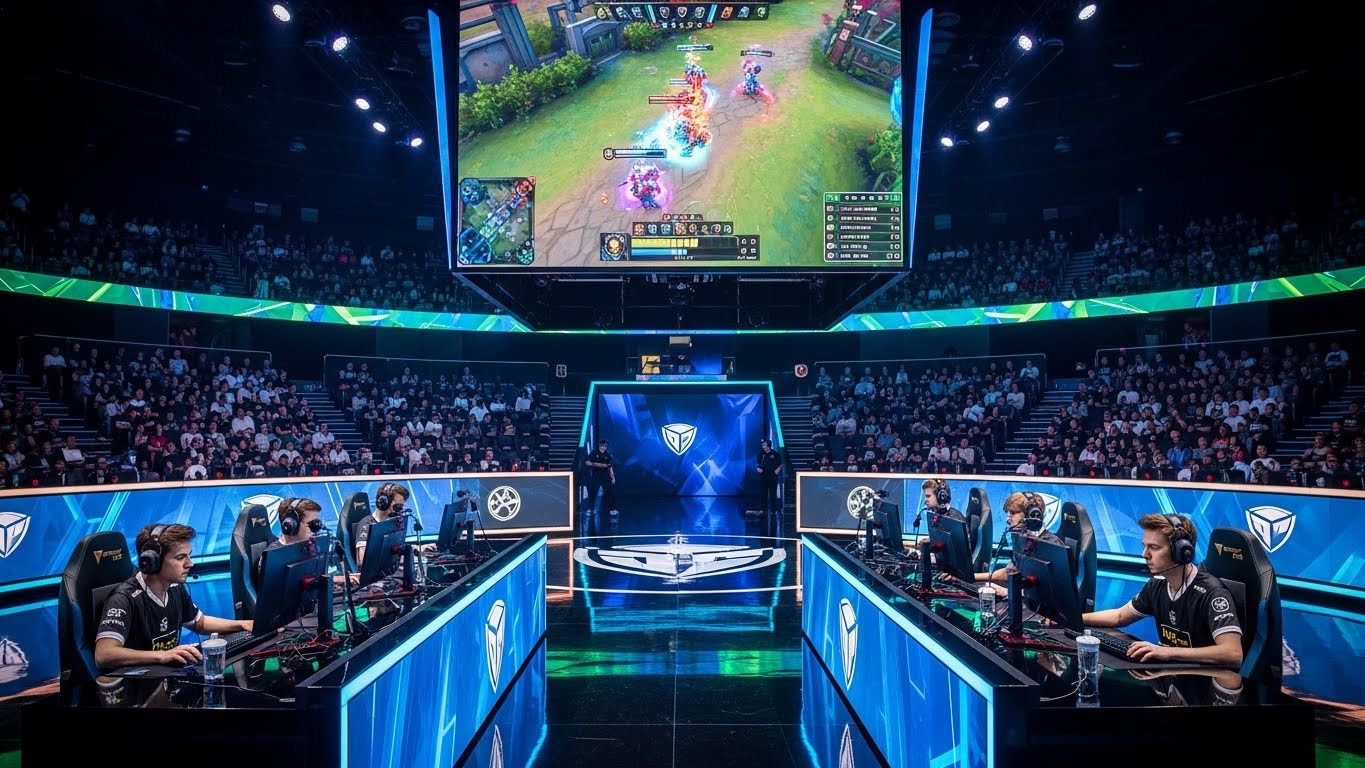
Esports tournaments have grown into grand spectacles that rival traditional sports events in scale and excitement.
Major competitions such as the League of Legends World Championship or The International for Dota 2 attract millions of viewers, both online and in-person. Prize pools often reach millions of dollars, drawing top players from around the world.
These tournaments feature live commentary, dynamic camera work, and elaborate stage designs. Fans travel across countries to attend live events, creating an atmosphere similar to that of major football or basketball games. The excitement, skill, and production quality make esports tournaments highly engaging for both players and spectators.
Technology as a Driving Force
Technology has been crucial in the growth and expansion of esports.
High-Speed Internet
Stable internet connections allow seamless online competitions and global participation.
Streaming Platforms
Streaming services provide real-time access to matches, enabling players to showcase their skills and fans to engage with the content.
Analytics and Artificial Intelligence
Teams use data analytics and AI tools to analyze opponents, refine strategies, and improve performance.
Emerging Innovations
Virtual reality, augmented reality, and cloud gaming are expanding the possibilities of esports, making the experience more immersive and accessible.
Technology ensures that esports continues to innovate, attracting larger audiences and creating more engaging competitions.
The Economics of Esports
Esports has grown into a multi-billion-dollar industry with multiple revenue streams:
Sponsorships and Advertising
Brands across fashion, technology, and consumer products invest heavily in esports partnerships.
Broadcasting Rights
Tournaments are streamed globally, generating revenue from advertising, subscriptions, and partnerships.
Merchandise and Tickets
Teams sell branded merchandise, while tournaments sell tickets for live events, creating additional revenue streams.
Game Developers
Developers often play a central role in organizing tournaments and supporting the competitive ecosystem, benefiting financially from the success of their games.
The business side of esports supports players, organizers, content creators, and numerous related professions, making it a robust and sustainable industry.
Esports in Education
Educational institutions are increasingly integrating esports into programs and curricula:
Scholarships
Universities now offer scholarships to talented esports players, providing financial assistance and opportunities for higher education.
Academic Programs
Courses in esports management, game design, and digital media prepare students for careers in the gaming industry.
Student Teams
School and college esports teams foster teamwork, leadership, and strategic thinking, providing alternative paths for success.
By embracing esports, educational institutions recognize its potential as a career and a tool for skill development.
Cultural Influence of Esports
Esports has become a cultural movement that impacts fashion, music, and social interaction:
Fashion Trends
Gaming culture influences streetwear and team jerseys, creating unique fashion statements.
Music and Entertainment
Musicians and gaming companies collaborate on performances, theme songs, and digital concerts.
Social Engagement
Tournaments spark global discussions, with fans sharing highlights, memes, and strategies across platforms.
Language and Trends
Gaming terminology and slang increasingly enter everyday conversations, reflecting esports’ influence on modern culture.
Esports has transformed from a hobby into a global cultural force that shapes entertainment, lifestyle, and communication.
Challenges Facing Esports
Despite its rapid growth, esports faces several challenges:
Player Burnout
High-intensity practice and competition can lead to mental and physical exhaustion.
Regulatory Issues
The lack of standardized rules makes issues like cheating and match-fixing difficult to control.
Accessibility Gaps
Not all regions have equal access to equipment, internet, and opportunities, limiting participation.
Sustainability
Maintaining audience interest and financial viability requires continuous innovation and adaptation.
Addressing these challenges is essential to ensure long-term stability and growth in the esports industry.
The Future of Esports
The future of esports appears bright and full of opportunities:
Expansion of Global Competitions
Tournaments will become larger, more professional, and increasingly international.
Integration with Entertainment
Esports will continue collaborating with music, movies, and other entertainment sectors, creating hybrid experiences.
Technological Innovations
Virtual reality, augmented reality, and AI-driven analytics will enhance both gameplay and viewing experiences.
Educational Growth
Esports programs in schools and universities will expand, creating more career pathways for young players.
Mainstream Recognition
Esports is poised to gain broader acceptance, potentially becoming part of major international sporting events.
Esports is no passing trend; it is a permanent and growing element of global culture, entertainment, and competition.
Conclusion: Embracing the Digital Arena
Esports has redefined competition for the digital age. What began as simple gaming has transformed into a global phenomenon with professional players, international tournaments, and cultural influence. Fueled by technology, creativity, and strategy, esports provides a new arena for talent and passion to shine.
As esports continues to evolve, it will inspire future generations of players, fans, and professionals. Competitive spirit thrives not only in physical arenas but also in the digital world, proving that skill, dedication, and innovation know no boundaries. Esports is more than a game; it is a revolution in entertainment, culture, and global connection.