Esports, or electronic sports, has transformed the landscape of competitive entertainment over the past two decades. What began as small-scale tournaments between amateur gamers has blossomed into a global industry, drawing millions of viewers, creating professional athletes, and amassing billions of dollars in revenue. Whether you’re a casual gamer or someone who tunes in to watch esports tournaments, there’s no denying the immense growth and influence of this new wave of competition. In this blog post, we’ll explore how esports rose to prominence, the factors that fueled its success, and its potential to change the future of both entertainment and traditional sports.
The Rise of Esports: A Cultural Shift
Esports’ origins can be traced back to the late 20th century when competitive video gaming first began to take root. Early tournaments like the 1997 Red Annihilation tournament for “Quake” and the 1998 Cyberathlete Professional League for “Quake II” set the stage for organized competition. But it wasn’t until the early 2000s that esports truly started to gain traction, especially in South Korea. The country was one of the first to embrace esports on a national scale, establishing dedicated esports television channels, organizing large-scale tournaments, and even creating professional leagues for games like StarCraft.
One of the primary reasons for esports’ explosion in popularity was the rapid improvement in technology, including faster internet speeds and more powerful gaming hardware. As broadband internet became widely available, online gaming became accessible to millions of people. This allowed players from all over the world to connect, compete, and build communities around their favorite games.
In the United States and Europe, the advent of streaming platforms like Twitch in 2011 was another turning point. These platforms gave gamers the ability to broadcast their gameplay to a global audience, creating a new form of entertainment that was interactive and accessible. Esports moved beyond being just a niche hobby for a small group of enthusiasts and became a mainstream form of entertainment that anyone could enjoy, regardless of where they lived.
The Global Esports Ecosystem: An Industry Worth Billions
Today, esports is a multibillion-dollar industry with several key components that make up its vast ecosystem. From professional teams and leagues to streaming platforms and sponsorship deals, esports is a complex web of revenue streams, business models, and market players.
The esports industry’s financial growth has been driven primarily by sponsorships, media rights, and advertising. Companies from various industries, including tech, energy drinks, and even automobiles, have poured millions of dollars into esports sponsorships, recognizing the immense buying power and engagement of the esports audience. In 2023, the global esports market was valued at over $1.5 billion, with projections suggesting that this number will continue to rise.
Another significant contributor to esports’ financial success is the growth of esports betting. As the popularity of esports continues to grow, so does its role in the sports betting industry. Many fans now place bets on their favorite players and teams, further increasing the financial impact of the sector.
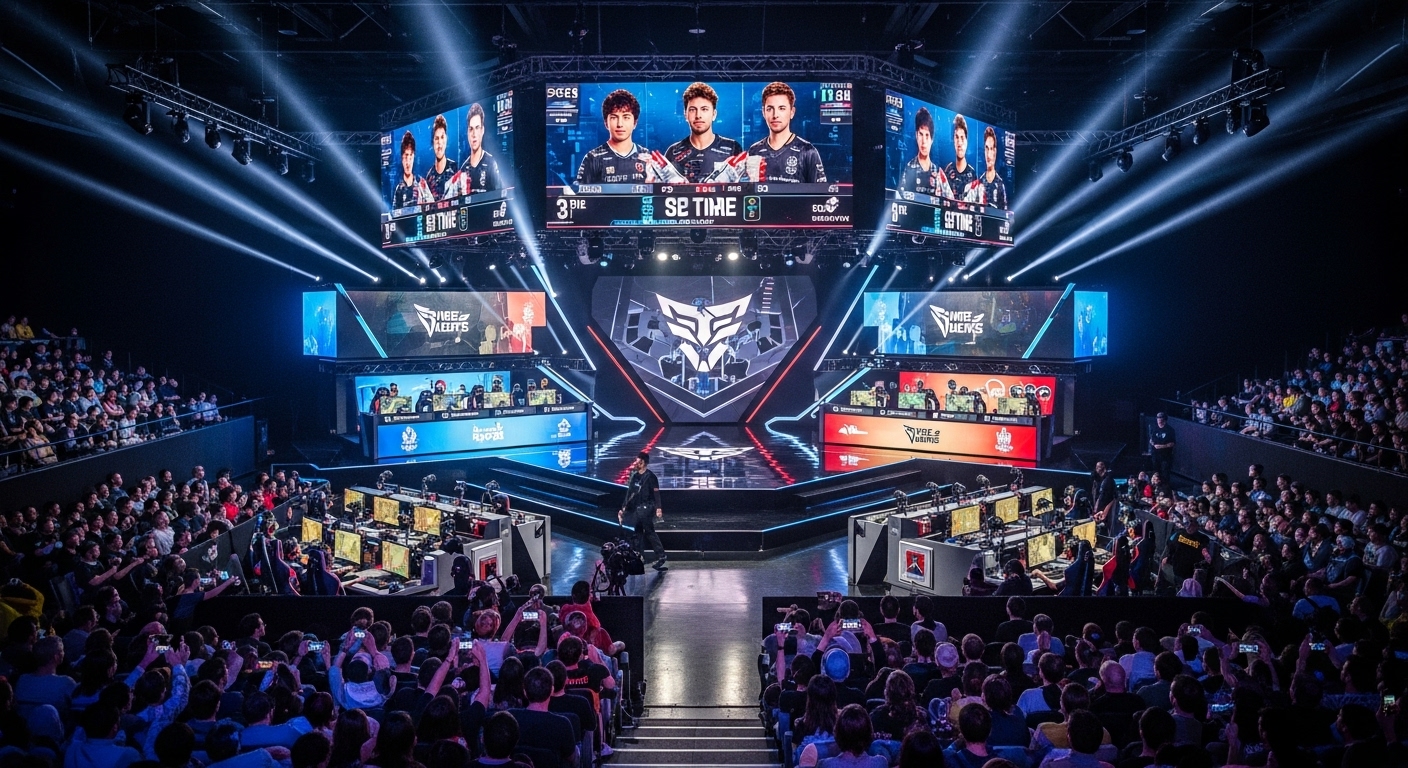
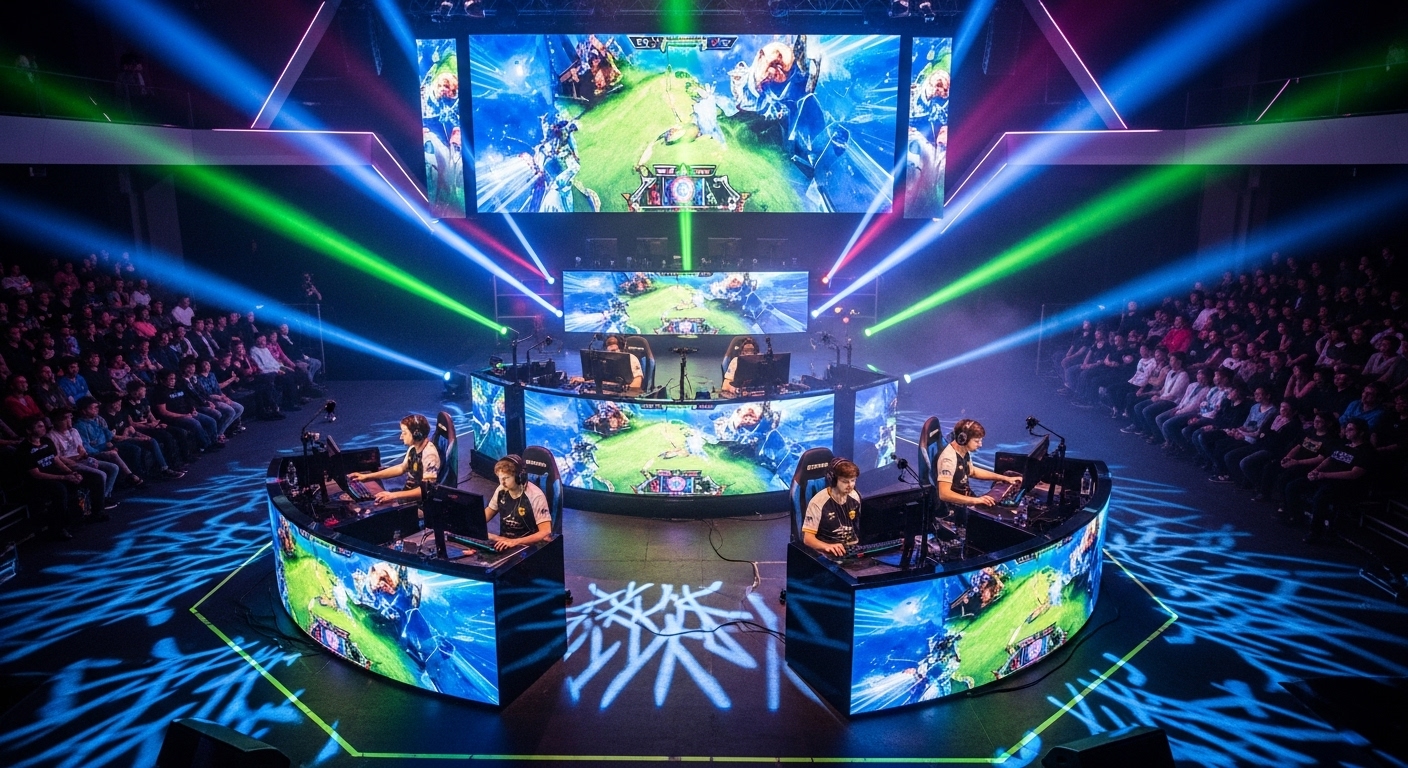
Tournaments are the backbone of the esports industry. The most well-known tournaments, such as The International for Dota 2 and the League of Legends World Championship, offer prize pools that are often in the millions of dollars, attracting top-tier talent and international attention. These events are broadcast to millions of fans worldwide, making them some of the most-watched competitions globally.
Professional Esports Athletes: The New Age of Digital Sports Stars
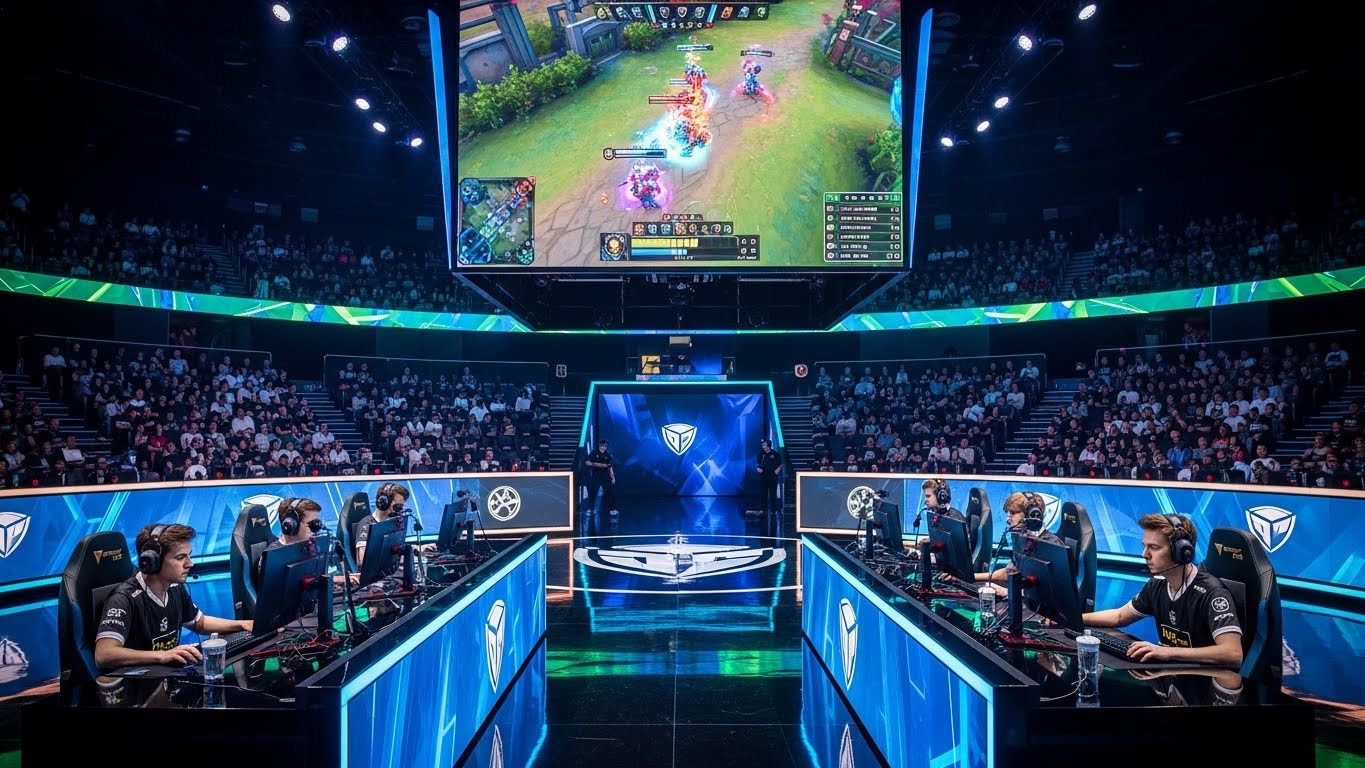
In many ways, esports athletes are the new digital-age sports stars. While they may not be on a physical playing field, they are still required to hone incredible levels of skill, reflexes, and strategic thinking. Professional gamers dedicate hours each day to practice, improving their mechanics, studying opponents, and working with coaches to fine-tune their gameplay.
Unlike traditional athletes, esports players don’t have to train for years to develop their physical strength or stamina. Instead, they focus on developing their reaction time, decision-making skills, and teamwork. In fact, the most successful esports players are often just as skilled at mental discipline as they are at the games they play.
Many esports professionals play in teams, similar to the way traditional athletes compete in leagues. These teams often have coaches, analysts, and other staff members who help optimize strategies and improve the performance of the players. As esports organizations grow, they are beginning to adopt similar structures to traditional sports teams, with player salaries, sponsorships, and long-term contracts becoming increasingly common.
While the lifestyle of a professional esports player is similar to that of an athlete, it is also unique. Many esports stars build a brand around their name, live-streaming their practices and interactions with fans, and creating content that brings in additional revenue. With a strong social media presence and regular streaming, esports players can grow their personal brand and earn sponsorships or endorsements from companies across various industries.
However, the life of a professional esports player can be short. The typical career span of an esports player is around 5 to 7 years, after which most players begin to transition into other roles, such as coaching, streaming, or content creation. The intense mental and physical strain of competitive gaming, combined with the constant evolution of games and strategies, can make long-term careers in esports challenging.
Esports Viewership: Reaching New Audiences
One of the most impressive aspects of esports is its viewership. In recent years, esports has outpaced traditional sports in terms of growth in audience size. Major esports events like the League of Legends World Championship and the Fortnite World Cup regularly attract millions of viewers, with some tournaments drawing more viewers than the Super Bowl. This speaks to the growing appeal of competitive gaming and its ability to capture the attention of both gamers and non-gamers alike.
The viewership model for esports is unique compared to traditional sports. Instead of relying on television broadcasts, esports has built its viewership primarily through streaming platforms like Twitch, YouTube Gaming, and Facebook Gaming. These platforms allow viewers to watch live streams of their favorite players and teams, interact with the content in real-time, and even chat with players during their broadcasts.
This interactivity has played a key role in building a loyal and engaged fanbase. Viewers can support their favorite players, donate money during live streams, and get an inside look at the world of professional gaming. This level of connection between fans and players is something that traditional sports struggle to replicate.
In addition to live streams, esports fans can also consume content on YouTube, where players post highlights, tutorials, and vlogs. Many esports organizations have developed their own channels to create a constant stream of content, engaging with their community and building brand awareness.
The Impact of Esports on Traditional Sports
Esports’ growth has not gone unnoticed in the world of traditional sports. Many sports leagues, including the NFL, NBA, and FIFA, have begun to invest in esports and create their own competitive gaming leagues. This has led to the rise of esports versions of traditional sports games, such as “FIFA” and “NBA 2K,” where players compete in digital versions of their favorite sports.
Some traditional sports teams have also entered the esports space by acquiring esports organizations or forming their own esports teams. These teams recognize the growing interest in esports and are eager to tap into a younger, tech-savvy audience. The collaboration between esports and traditional sports is helping to create a hybrid model of entertainment that bridges the gap between physical and digital competition.
Moreover, esports has given rise to a new form of sports entertainment that appeals to younger generations. As more and more people embrace the digital world, esports has the potential to attract a wider audience than traditional sports could ever reach, especially among younger demographics who may not be as interested in conventional sports.
The Future of Esports: What’s Next?
As esports continues to grow, it is expected to further integrate into the broader entertainment landscape. With advancements in virtual reality (VR) and augmented reality (AR), the next frontier of esports could be immersive experiences that take competitive gaming to an entirely new level. These technologies could change how players interact with the game and how fans experience esports events.
Another exciting development is the potential for esports to be included in the Olympics. The International Olympic Committee (IOC) has already discussed the possibility of incorporating esports into future Olympic Games, though challenges remain regarding how to integrate gaming into the traditional sporting framework. However, the increasing legitimization of esports as a competitive sport suggests that its inclusion in global events may not be far off.
In terms of market growth, esports is expected to expand further into untapped regions, particularly in Asia, Latin America, and Africa. These regions are seeing an influx of gaming talent, sponsorship dollars, and viewership, and esports could become a cornerstone of digital entertainment in these areas in the years to come.
Conclusion: Esports Is Here to Stay
Esports is no longer just a passing trend. It has evolved into a global phenomenon, creating new opportunities for players, organizations, and fans alike. With its growing market potential, cultural significance, and appeal to a diverse audience, esports is shaping the future of competition and entertainment. What started as a hobby for a select few has now become a global industry that’s challenging the dominance of traditional sports. As the world continues to embrace the digital age, esports will undoubtedly remain at the forefront of competitive entertainment, growing in scale and influence with every passing year.