Esports, once a niche interest for hardcore gamers, has quickly evolved into a global entertainment powerhouse. What was once seen as an underground movement has now become a multibillion-dollar industry, attracting millions of fans, players, and sponsors worldwide. From competitive tournaments to sponsorship deals, the world of esports has transformed gaming into a legitimate career path and entertainment option. But what makes esports so captivating? And why has it become so popular? Let’s dive into this fascinating phenomenon and explore how esports have gone from basement hobby to mainstream spectacle.
The Origins of Esports: From Arcade Games to Global Competitions
Esports didn’t appear out of nowhere. Its roots can be traced back to the early days of competitive gaming in arcades. In the 1970s, games like Space Invaders and Pong saw the emergence of the first competitive gamers. Players would challenge each other in local arcade competitions, not for money or fame, but for pride and recognition. However, it wasn’t until the 1990s that competitive gaming really began to take shape on a larger scale.
The real turning point came with the launch of online multiplayer games, which allowed players to compete against others remotely, setting the stage for modern esports. Games like StarCraft and Quake laid the foundation for esports tournaments, with the first large-scale competitions starting to take place in the late 1990s and early 2000s. As internet speeds increased and the quality of games improved, online tournaments began to attract larger audiences and sponsors, signaling the birth of what we now know as the esports industry.
The Growth of Esports: From Cult Fandom to Mainstream Sensation
As technology continued to improve, so did the infrastructure around competitive gaming. Major game publishers, such as Blizzard Entertainment, Riot Games, and Valve, began to design games with competitive play in mind. League of Legends, Dota 2, and Counter-Strike: Global Offensive are some of the most well-known titles that fostered global esports competitions.
One of the key drivers of esports’ growth is the increasing accessibility of gaming. With high-speed internet and affordable gaming consoles or PCs, players from around the world can easily join tournaments, practice with their teams, and stream their gameplay live. Streaming platforms like Twitch and YouTube Gaming have also played a significant role in esports’ rise. These platforms allow viewers to watch live tournaments, get insights from professional players, and interact with their favorite streamers, further bridging the gap between players and fans.
The Professionalization of Esports: A Career Path for Players
In the early days of esports, players were essentially amateur gamers who played for the thrill of the game. However, as the industry grew, the concept of professional esports players began to take shape. Much like traditional sports, esports now has salaried players, coaching staffs, analysts, and even team owners. Esports organizations such as Cloud9, Fnatic, and T1 have become household names in the gaming world, fielding professional players who compete in tournaments across the globe.
To make a career in esports, players need to be more than just skilled at the game. They must also understand the business side of the industry, including sponsorships, streaming revenue, and personal brand management. The role of a professional gamer has evolved into a full-time career with sponsorships, salaries, prize money, and even social media influence.
For example, many top-tier players in games like Fortnite or Valorant have sponsorship deals with major brands like Nike, Red Bull, and Coca-Cola, not just for their in-game skills, but for their ability to engage with millions of followers. This blend of gaming talent and social media influence has made esports players some of the most recognizable personalities in modern entertainment.
Esports Tournaments: A Global Spectacle
Esports tournaments have become massive events, drawing in fans both online and in person. One of the most notable tournaments is The International for Dota 2, which has had prize pools exceeding $40 million. Similarly, League of Legends World Championship has attracted millions of viewers globally, making it one of the most-watched annual events in esports. The sheer scale of these tournaments, both in terms of prize money and viewership, has made esports comparable to traditional sports leagues such as the NBA or the NFL.
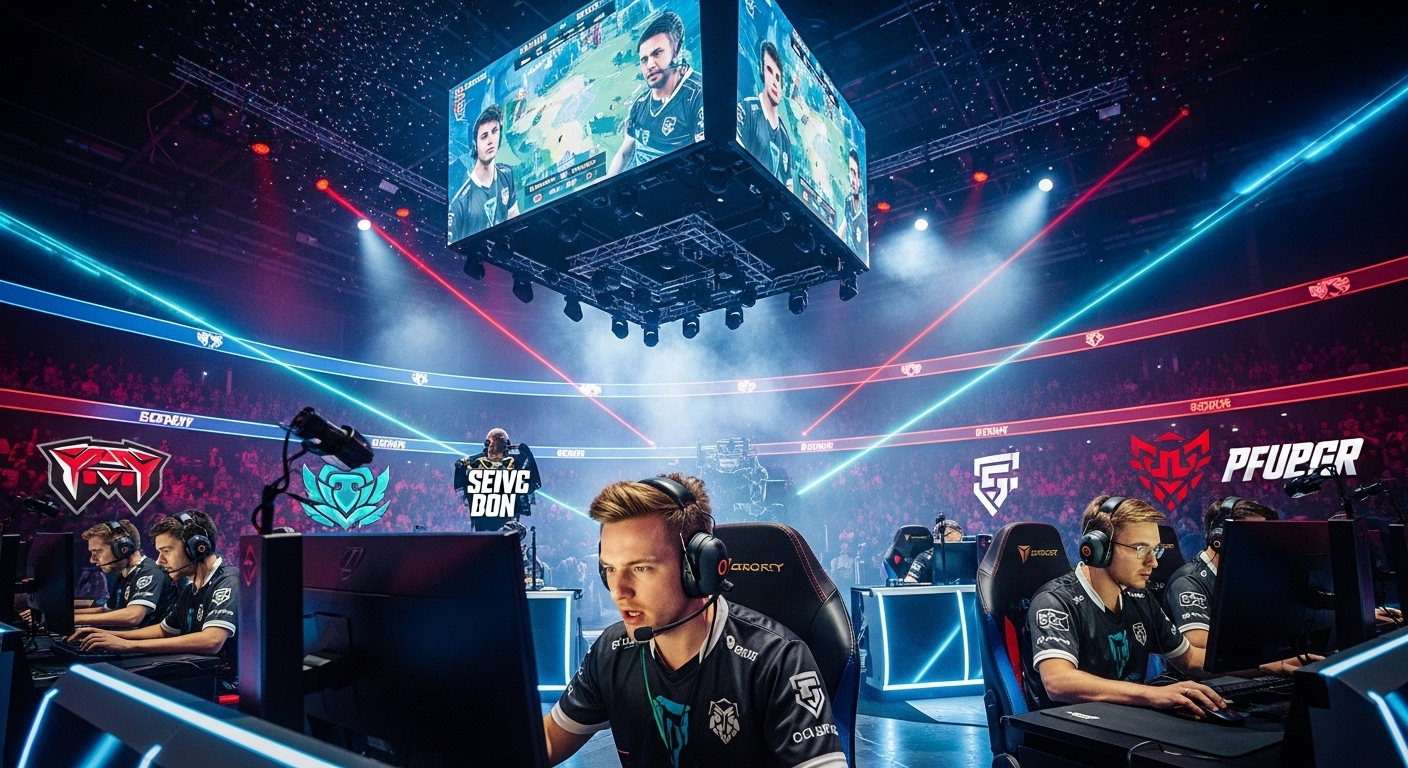
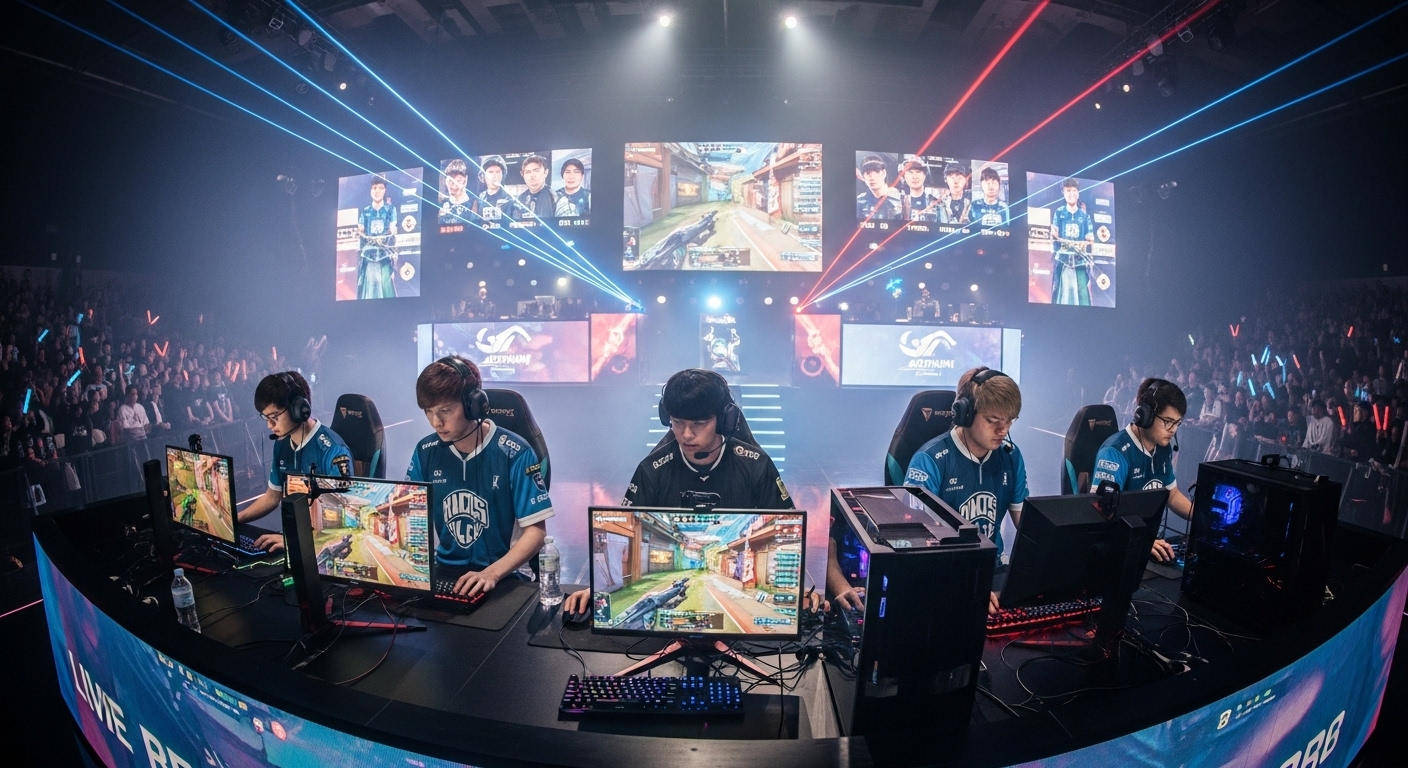
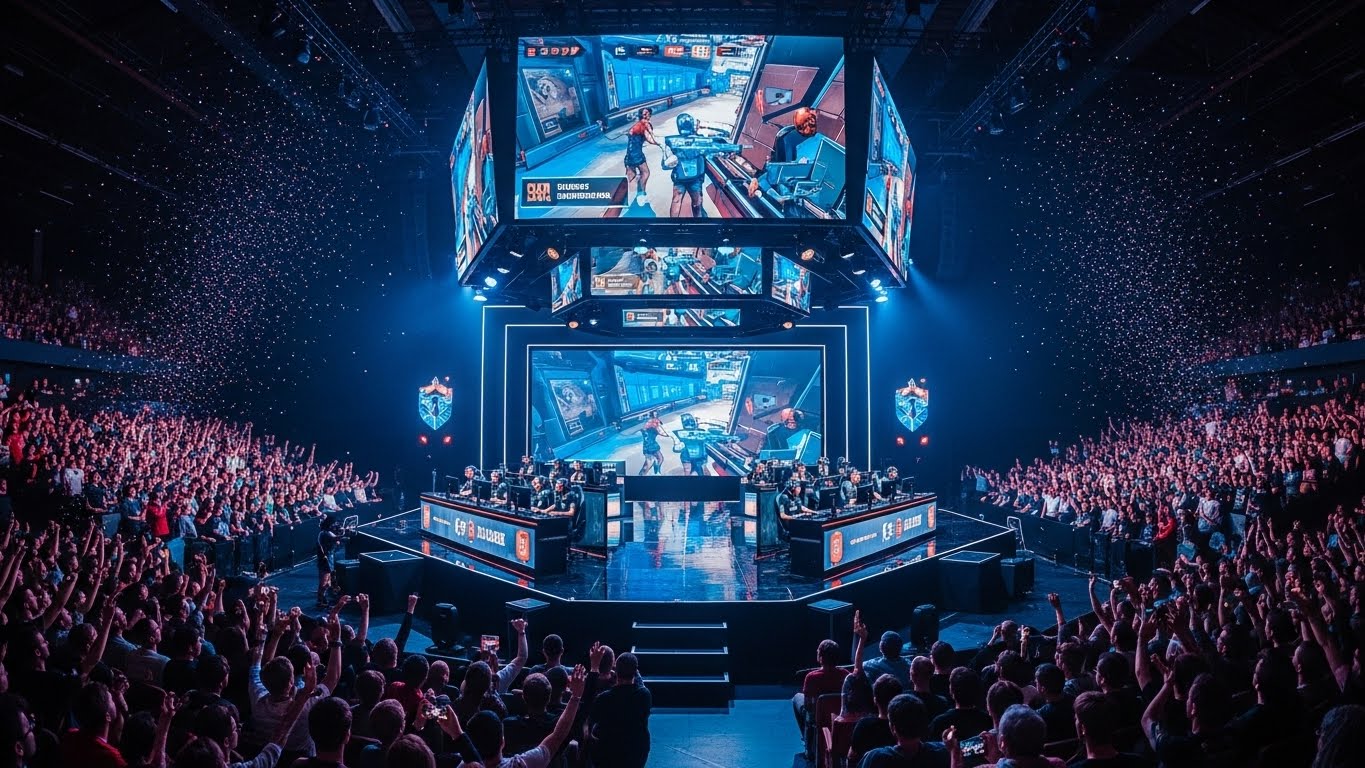
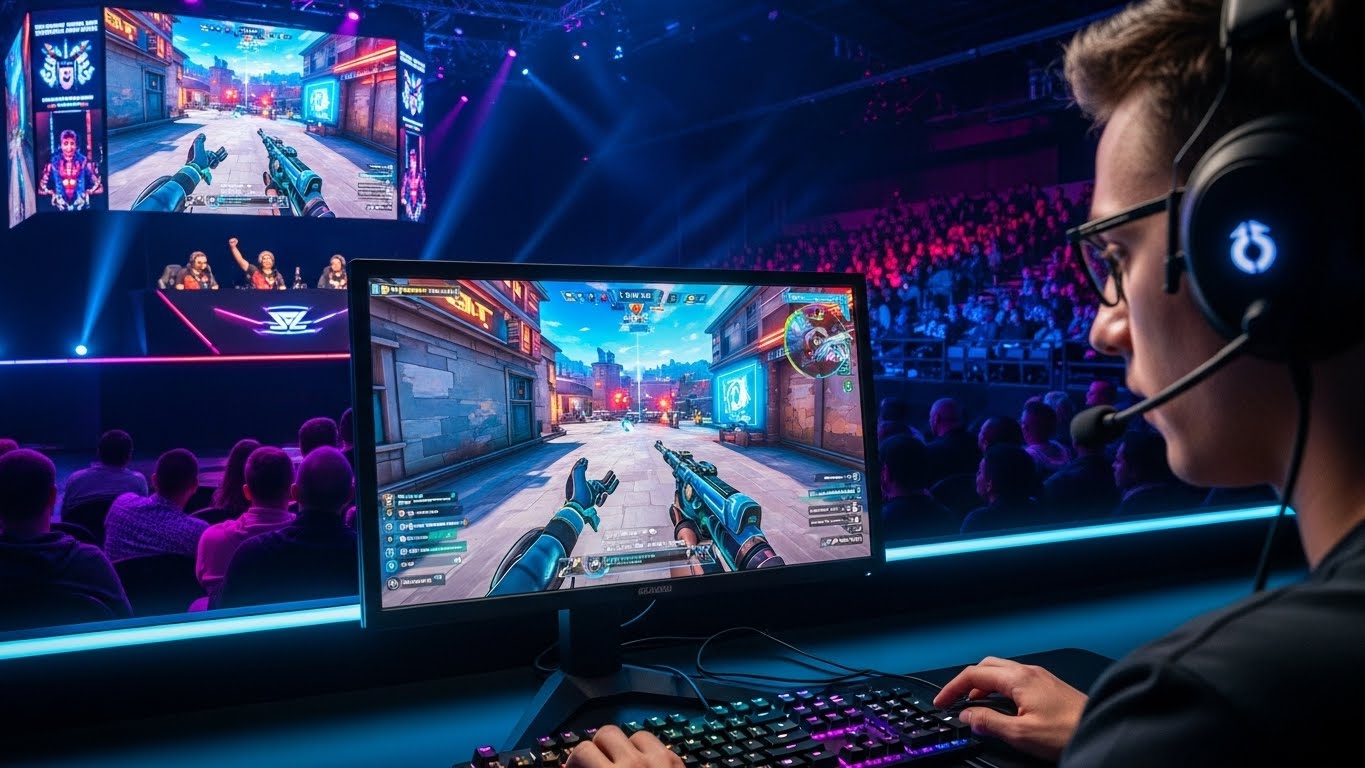
Major tournaments often feature live broadcasts, with millions of viewers tuning in to watch top-tier players compete for glory. These tournaments are now held in large arenas, complete with high-definition screens, professional production teams, and elaborate stage setups. The atmosphere is electric, with fans cheering for their favorite teams and players. The quality of the events is such that they rival some of the biggest sporting events in the world.
The Role of Sponsorship and Brands in Esports
Sponsorship is a vital component of the esports industry. Just like in traditional sports, esports teams and tournaments rely on corporate sponsors to fund their operations, pay players, and cover production costs. Brands from a variety of industries, including technology, food and beverage, and even automotive, have seen the value in partnering with esports organizations to connect with a highly engaged, tech-savvy audience.
One of the most significant areas of sponsorship in esports has been with streaming platforms like Twitch. These platforms offer advertisers direct access to a dedicated audience of gamers and esports fans, providing a unique opportunity to promote products and services. Sponsorship deals in esports can range from simple banner ads on streaming channels to major partnerships with game developers, team organizations, and live-event broadcasting.
Companies like Intel, Monster Energy, and Red Bull have been some of the most prominent brands involved in esports. They sponsor teams, players, and events, recognizing the enormous potential of the esports market. This sponsorship-driven revenue has helped esports grow at an exponential rate, bringing even more visibility to the industry.
The Cultural Impact of Esports
Esports has not only reshaped the gaming industry but also influenced broader pop culture. The rise of esports has led to the creation of new genres of content, including gaming-related documentaries, music videos, and even fashion lines inspired by esports teams. The connection between gaming and pop culture has also led to crossovers with major music artists, athletes, and Hollywood celebrities.
One of the most exciting trends in esports is its increasing inclusion in traditional media. Major networks, such as ESPN, have begun broadcasting esports tournaments, while sports arenas in cities like Los Angeles and Seoul now regularly host gaming events. This blending of traditional media and gaming is pushing esports into the mainstream and is bringing new fans into the fold who may have never considered gaming as an entertainment option before.
Furthermore, esports has become a social activity. Online gaming communities are filled with passionate fans who connect through shared experiences. The appeal of esports goes beyond just watching a game—it’s about participating in a larger community, interacting with like-minded individuals, and supporting players who you admire.
The Future of Esports: Expanding Beyond Video Games
Looking forward, the future of esports looks incredibly bright. With new technologies such as virtual reality (VR) and augmented reality (AR) continuing to develop, there is potential for entirely new types of esports to emerge. In fact, VR gaming is already starting to make its mark on the industry, with games like Echo Arena and Population: One introducing innovative ways for players to compete in virtual environments.
Another major trend is the continued integration of esports with traditional sports. Some professional sports teams, like The Philadelphia 76ers, have already invested in esports organizations, recognizing that the future of entertainment may be rooted in both gaming and traditional sports. As the lines continue to blur, we may see even more collaboration between the two industries.
The global appeal of esports also means that the industry will continue to expand internationally. While esports is already popular in places like North America, Europe, and East Asia, emerging markets in South America, the Middle East, and Africa are expected to see significant growth in the coming years. The accessibility of online gaming and streaming platforms ensures that fans from all corners of the world can participate in the esports revolution.
Conclusion
Esports has truly transformed from a niche subculture into a global phenomenon. What began as simple arcade competitions and online multiplayer games has blossomed into a multi-billion-dollar industry, providing career opportunities for players, jobs for industry professionals, and entertainment for millions of fans worldwide. As technology continues to advance, esports will only grow in popularity and influence, becoming an integral part of modern entertainment and culture. Whether you’re a casual gamer or a die-hard esports enthusiast, the future of gaming is looking brighter than ever. The rise of esports is not just a trend; it’s the future of entertainment.