Introduction: The Digital Revolution of Sports
Esports, short for electronic sports, has grown from a niche pastime into a global phenomenon. What was once considered merely a form of entertainment is now recognized as a serious competitive activity, attracting millions of players and viewers worldwide. The rise of esports represents a shift in the way people interact with technology, sports, and media, blending entertainment, strategy, and community in unprecedented ways.
The early days of esports were humble. Players would gather in small tournaments or local gaming cafes to compete in arcade classics or early PC games. These gatherings fostered a sense of camaraderie and healthy competition, laying the groundwork for the professional ecosystem that exists today. Over the years, advancements in internet technology and streaming platforms transformed these small-scale competitions into a global industry, making esports one of the fastest-growing sectors in entertainment.
The Origins of Esports
The roots of esports trace back to the 1970s and 1980s when arcade competitions and video game tournaments first emerged. Games like Space Invaders and Pac-Man were popular in local competitions, offering modest prizes to winners. As home computers and gaming consoles became more accessible, competitive gaming evolved into a larger phenomenon.
By the 1990s, games such as Street Fighter, Mortal Kombat, and StarCraft established the foundation for competitive gaming culture. LAN parties, where players connected multiple computers in a single location, became popular, allowing friends and rivals to compete in real-time. These early competitions emphasized skill, strategy, and precision, forming the essence of modern esports gameplay.
The Evolution of Competitive Gaming
The 2000s marked a turning point for esports with the rise of online multiplayer games. Titles like Counter-Strike, Warcraft III, and later League of Legends allowed players to compete with individuals across the globe. Online connectivity not only expanded the player base but also created a growing audience for spectators. Streaming services began to emerge, enabling fans to watch professional matches live, which significantly increased esports’ visibility and popularity.
Professional esports leagues began to take shape, formalizing competition and providing structure to the industry. These leagues established rules, organized tournaments, and created opportunities for players to pursue gaming as a legitimate career. Sponsorships and brand partnerships also started to play a crucial role, signaling the financial potential of the growing industry.
Popular Esports Games and Genres
Esports encompasses a wide variety of games, each offering unique challenges and requiring different skills. Multiplayer Online Battle Arenas (MOBAs) like League of Legends and Dota 2 are among the most prominent. These games demand teamwork, strategy, and quick decision-making, making them thrilling for both players and viewers.
First-Person Shooters (FPS) such as Counter-Strike: Global Offensive, Valorant, and Call of Duty focus on precision, reaction time, and coordination. The fast-paced nature of FPS games creates intense and engaging experiences for audiences, keeping them on the edge of their seats.
Sports simulation games like FIFA and NBA 2K bring traditional sports into the digital realm, attracting fans of both conventional athletics and gaming. Fighting games, racing simulators, and real-time strategy games further diversify the esports landscape, ensuring there is something for every type of player and fan.
The Power of Streaming and Content Creation
Streaming platforms have been instrumental in the rise of esports. Services like Twitch and YouTube Gaming allow players to broadcast their gameplay to millions of viewers, creating entertainment while showcasing skill. The interactive nature of streaming enables fans to engage directly with players, ask questions, and even influence gameplay decisions.
Content creators have become celebrities in their own right, bridging the gap between casual fans and professional players. By sharing strategies, tutorials, and personal stories, they help build communities around games, fostering a sense of belonging among viewers. This combination of competition, entertainment, and social interaction has made esports a cultural powerhouse.
Professional Players and Esports Organizations
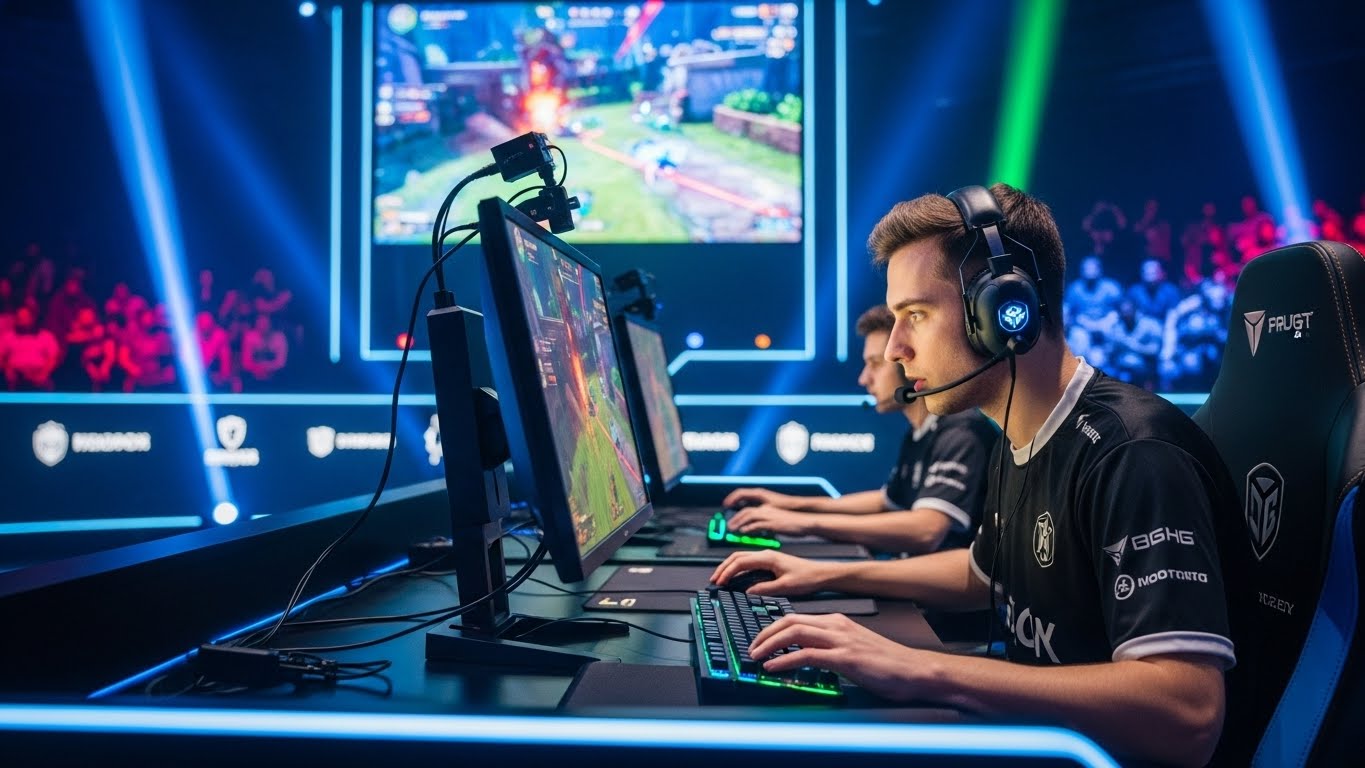
Esports has created career opportunities that were unimaginable just a decade ago. Professional players train rigorously, often dedicating eight to ten hours a day to improve skills, study opponents, and develop strategies. Physical fitness and mental resilience have become as important as gaming talent, reflecting the demands of professional esports.
Esports organizations operate similarly to traditional sports teams. They recruit talent, provide coaching, organize practice schedules, and manage sponsorships. These organizations compete in national and international leagues, often with substantial cash prizes at stake. The professional environment encourages innovation, elevates gameplay, and inspires new generations of gamers.
Major Esports Tournaments and Events
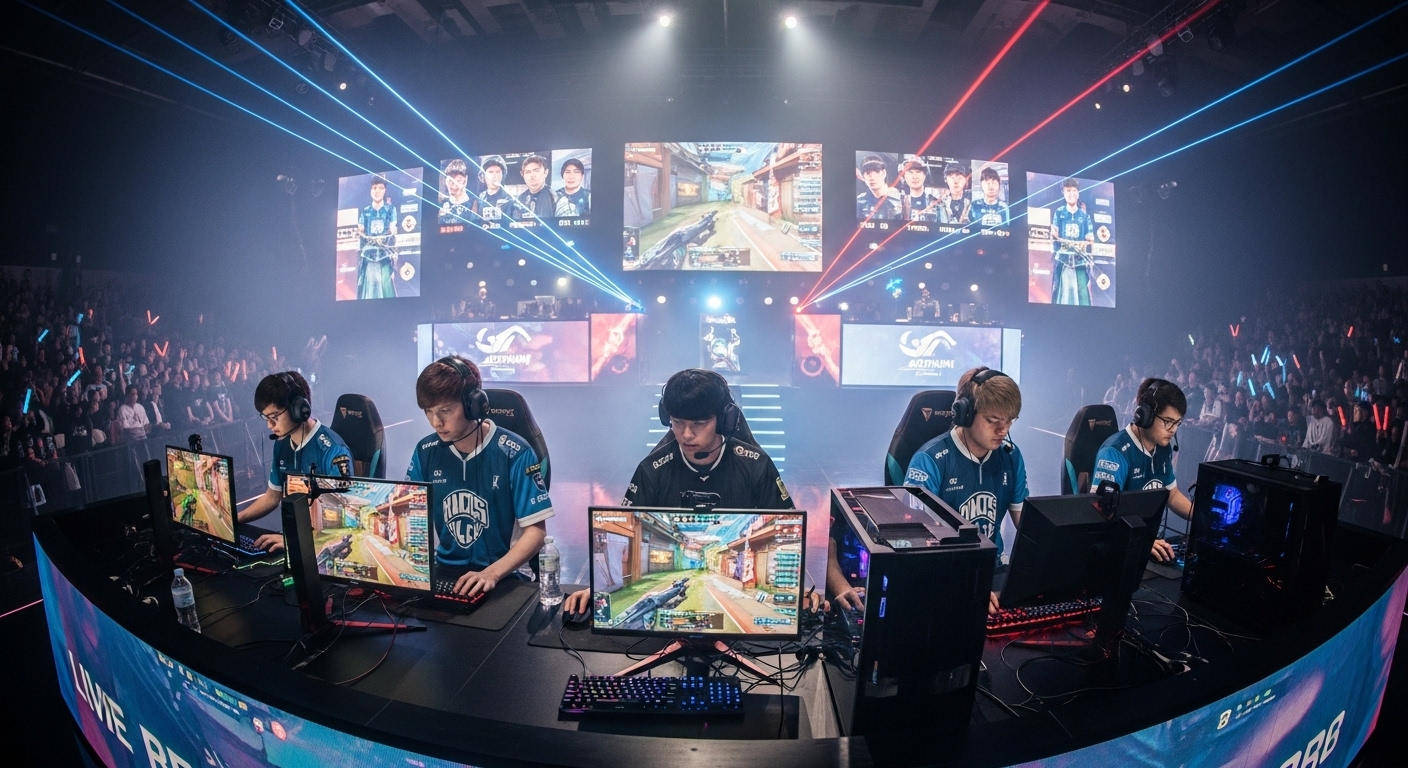
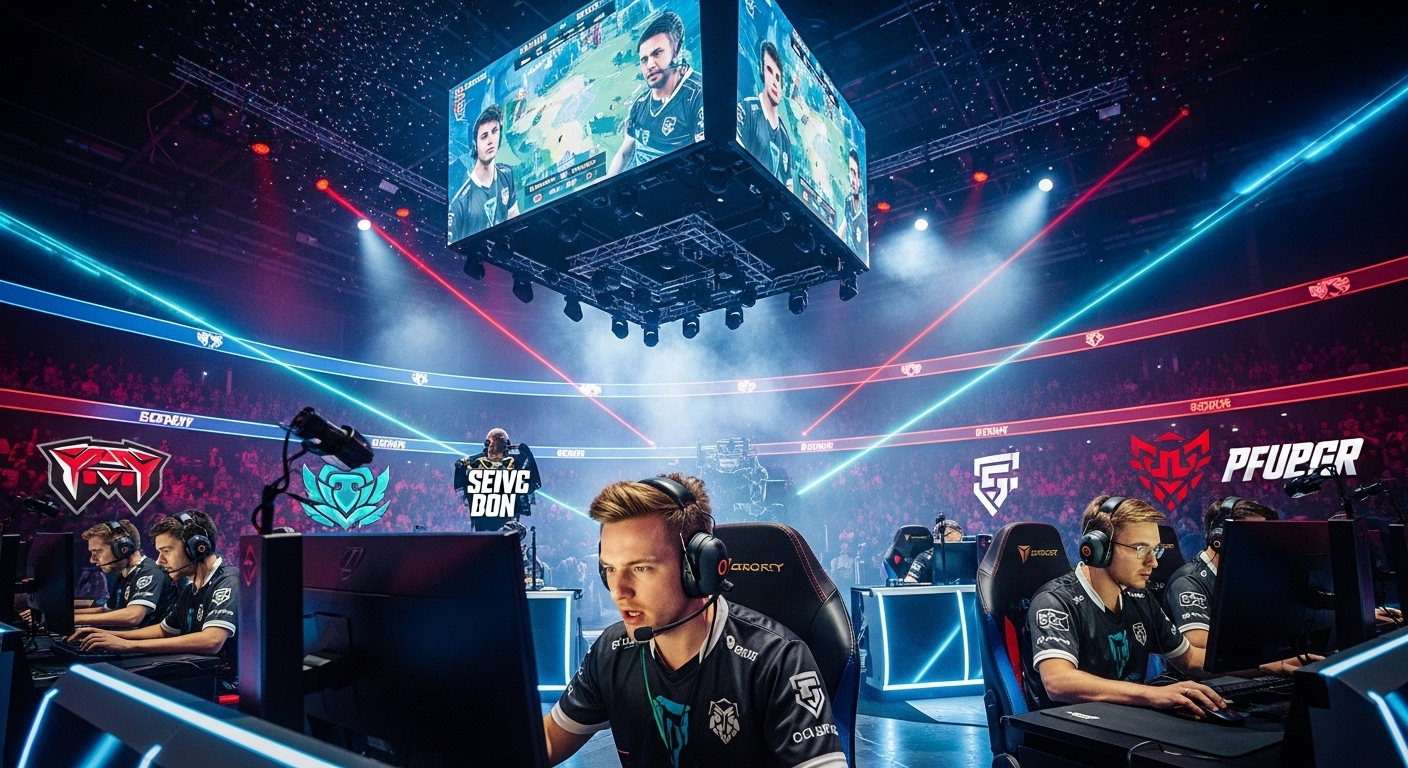
Esports tournaments have become grand spectacles, drawing massive audiences both online and in person. Competitions like The International for Dota 2, the League of Legends World Championship, and the Fortnite World Cup are among the most prestigious events in the industry. These tournaments showcase the highest levels of skill, strategy, and teamwork, making them thrilling to watch.
The scale and production quality of esports events rival traditional sports. Stadiums filled with cheering fans, professional commentary, and high-definition broadcasts create an immersive experience for viewers. Sponsorships, advertisements, and media coverage further enhance the visibility of esports, demonstrating its significance in modern entertainment.
Economic Impact of Esports
Esports has developed into a multi-billion-dollar industry with numerous revenue streams. Sponsorships, advertising, merchandise sales, ticketed events, and streaming subscriptions all contribute to its growth. Major corporations recognize the potential of esports as a marketing platform to reach younger, tech-savvy audiences.
The economic impact extends beyond players and teams. Game developers, event organizers, broadcasters, and content creators all benefit from the expanding ecosystem. Cities hosting large tournaments experience boosts in tourism and local business activity, highlighting the broader financial influence of esports.
Social and Cultural Influence
Esports has reshaped social interactions, bridging cultures and geographies. Players and fans from different countries communicate, compete, and form friendships, creating a global community united by shared interests. Esports also challenges traditional notions of athleticism, proving that mental agility, strategy, and reflexes are just as vital as physical strength.
Culturally, esports has become mainstream. Professional players enjoy celebrity status, gaming trends influence media and fashion, and esports competitions feature prominently in popular culture. The industry’s rise reflects broader societal shifts toward digital entertainment and virtual communities.
Challenges in Esports
Despite its rapid growth, esports faces several challenges. Player burnout and mental health issues are major concerns, as rigorous training schedules and intense competition can take a toll. Cheating, match-fixing, and maintaining fair play are ongoing issues that threaten the integrity of competition.
Financial stability is another challenge. While top players and teams earn substantial incomes, many aspiring professionals struggle to sustain themselves. Inclusion and diversity remain important goals, as the industry works to create a more welcoming environment for players of all genders, backgrounds, and abilities.
The Future of Esports
The future of esports is promising, with technology continuing to expand possibilities. Virtual reality, augmented reality, and artificial intelligence are likely to create even more immersive and interactive experiences. Esports may also integrate further with education, training, and traditional sports, broadening its influence beyond entertainment.
As societal acceptance grows, esports could become a staple in schools, universities, and international competitions, including the Olympics. With innovation at its core, esports is poised to continue shaping the future of sports, entertainment, and digital culture.
Conclusion: The New Era of Competitive Entertainment
Esports represents a transformation in the way people experience competition, entertainment, and community. From its humble beginnings in arcades and LAN parties to packed stadiums and millions of online viewers, esports has proven that digital competition can captivate audiences worldwide.
The industry continues to evolve, inspiring future generations to pursue skill, teamwork, and innovation. Esports is more than a game; it is a testament to human creativity and the limitless potential of the digital era. Its influence will only continue to grow, redefining sports and entertainment for years to come.