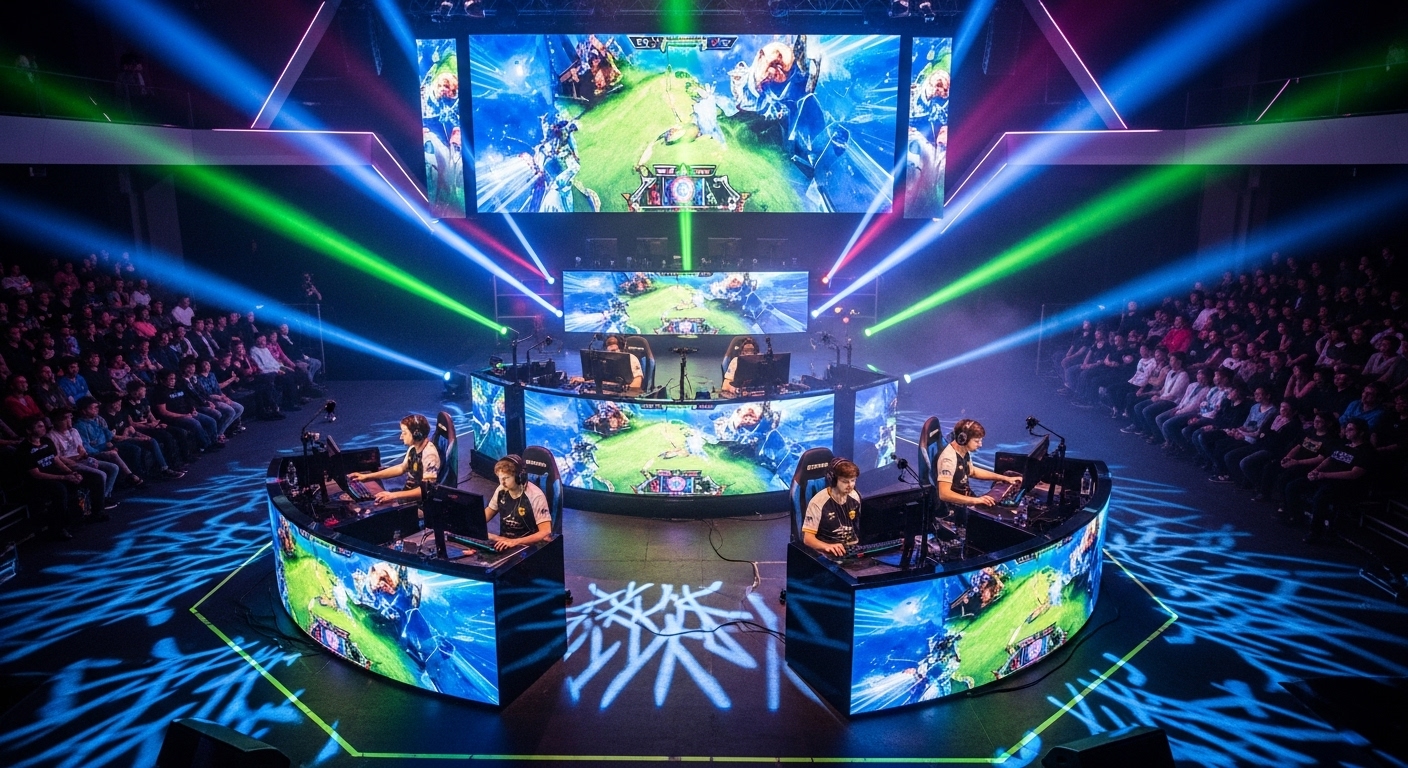
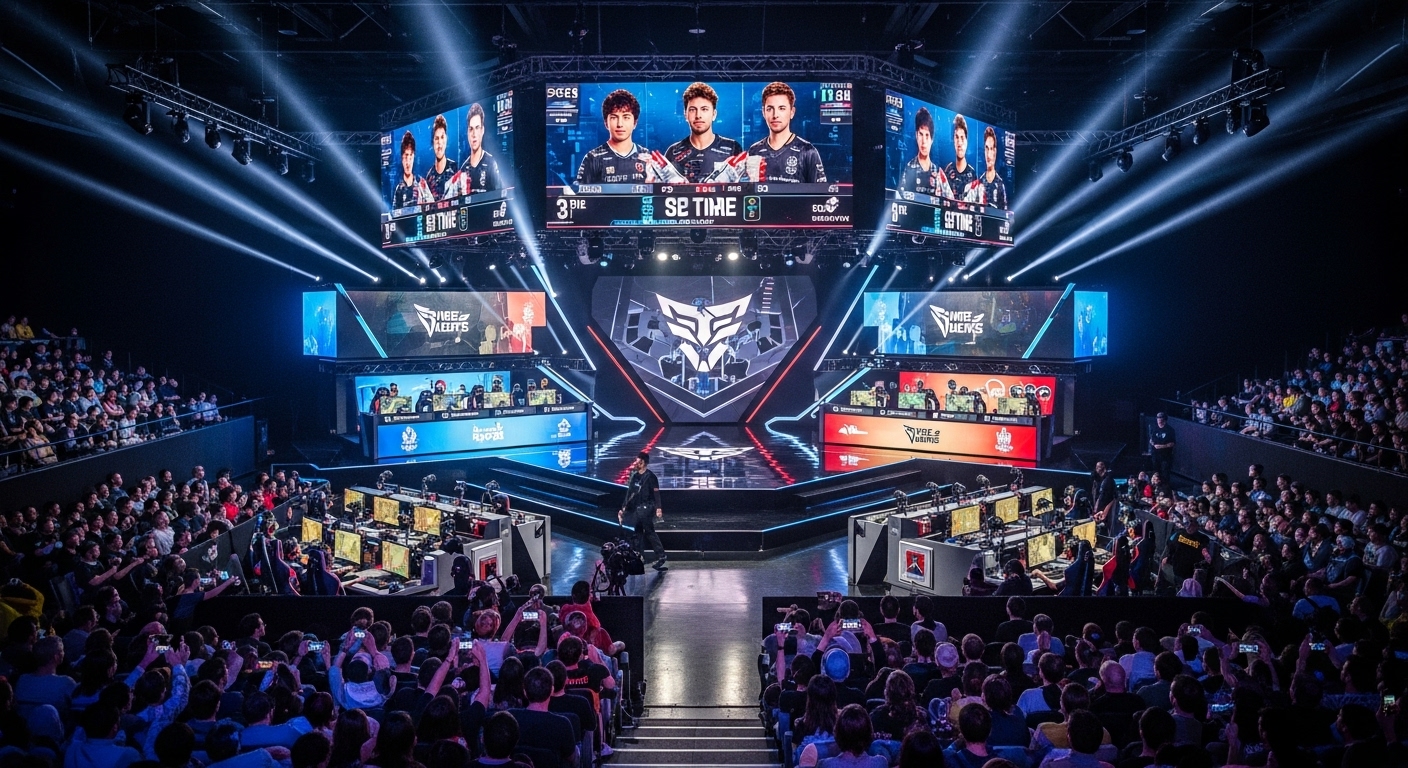
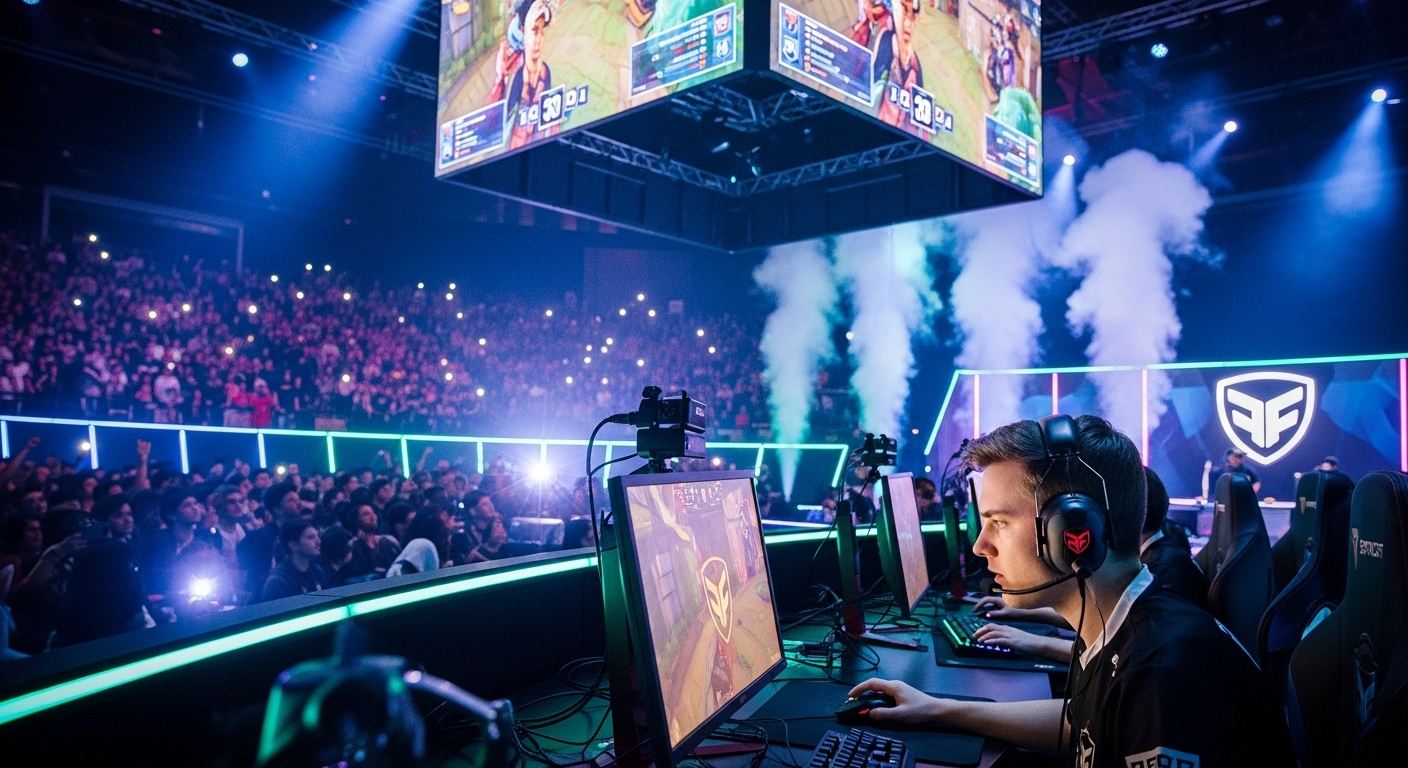
In recent years, esports has transformed from a niche hobby into a cultural and economic powerhouse. What was once considered a subculture of video game enthusiasts is now a multi-billion dollar industry, attracting millions of fans, professional players, major sponsors, and mainstream media attention. As esports grows rapidly, it’s clear that competitive gaming is more than just a passing trend—it’s become a dominant form of entertainment, akin to traditional sports.
In this blog post, we will dive into the fascinating evolution of esports, explore its current state, and examine the forces driving its incredible growth. Whether you’re a seasoned gamer or someone curious about the esports scene, this article will shed light on how esports has come to occupy such a significant place in the global entertainment landscape.
The Early Days of Esports: From Arcade to Online Competitions
The roots of esports can be traced back to the 1970s and 1980s, when competitive gaming was a novelty enjoyed by a small but dedicated group of enthusiasts. During the early days of arcade gaming, players gathered in arcades to compete for high scores on games like Pong and Space Invaders. While these early competitions were informal and centered around individual achievements, they laid the groundwork for what would eventually become organized competitive gaming.
The true origins of esports as we know it today began to take shape in the 1990s, when the development of personal computers and the rise of the internet allowed gamers to compete against each other from different locations. Games like Quake and StarCraft became popular in the competitive gaming scene, particularly in South Korea, where StarCraft tournaments garnered immense attention and helped establish the country as a hotspot for esports culture. These early tournaments laid the foundation for the competitive gaming ecosystem that would later evolve into a global phenomenon.
As the internet infrastructure improved, online multiplayer games began to take center stage. Titles such as Counter-Strike, Warcraft III, and Dota built the framework for modern esports tournaments, which attracted increasing numbers of players and viewers. The first official esports tournament, the Red Annihilation Tournament in 1997, was a pivotal moment, marking the beginning of the organized esports competitions that we recognize today.
The Rise of Streaming and the Mainstream Appeal of Esports
As esports began to gain momentum, a critical component for its exponential growth came with the emergence of streaming platforms. The introduction of platforms like Twitch in 2011 revolutionized how esports events were broadcast. For the first time, gaming enthusiasts could watch their favorite players compete live from anywhere in the world. Twitch quickly became a central hub for gamers, not only to watch esports tournaments but also to stream their own gameplay, engage with viewers, and build fanbases.
The popularity of streaming gave rise to professional esports organizations and individual streamers, many of whom have built substantial careers through sponsorships, advertising, and subscriptions. The ability to watch live esports tournaments or follow professional gamers as they stream their gameplay has made esports more accessible and engaging for fans than ever before.
In addition to Twitch, other platforms like YouTube Gaming, Facebook Gaming, and Mixer have also helped to broaden the appeal of esports. Major tournaments like the League of Legends World Championship, The International (for Dota 2), and Overwatch League have all attracted millions of viewers, breaking records for digital engagement and viewership. The rise of these platforms and events has helped propel esports into the mainstream, with major networks like ESPN and Fox Sports now covering live events and broadcasting highlights.
Esports as a Legitimate Career Path
One of the most significant developments in the esports world has been the growing recognition of competitive gaming as a legitimate career. Professional esports players now have the opportunity to earn a living through tournament winnings, sponsorships, streaming revenue, and content creation. This shift has turned esports into a viable career path for young players who dream of competing at the highest levels.
Esports has also given rise to a new type of celebrity. Professional gamers and streamers often gain massive followings, with some attracting millions of subscribers and social media followers. Well-known esports personalities like Ninja, Shroud, and Faker are now household names, drawing the attention of global brands for sponsorships and endorsement deals.
Beyond professional players, the rise of esports has created numerous job opportunities within the industry. Organizations need coaches, analysts, event organizers, content creators, and even social media managers. Esports teams, tournaments, and media outlets employ a range of professionals to manage the operations and logistics of the industry. In this sense, esports has created an entire ecosystem, much like traditional sports.
The Growth of Esports as a Spectator Sport
While many people associate esports with gaming, the true appeal of the industry lies in its ability to attract massive audiences. The concept of esports as a spectator sport is one of the primary factors behind its rapid rise. Competitive gaming events now draw huge crowds, both in-person and online. For instance, the League of Legends World Championship has consistently attracted millions of viewers, with the 2018 finals drawing over 200 million unique viewers.
The format of esports events often mirrors that of traditional sports. Teams of professional players compete in tournaments with well-defined schedules, clear objectives, and high stakes. The excitement and drama of these events are amplified by the passionate fanbases that follow their favorite teams and players. Much like traditional sports, esports fans have deep emotional connections to the teams they support and take part in the broader culture surrounding competitive gaming.
In addition to the live audience, esports has become a staple of sports broadcasting, with major networks airing coverage of esports events and highlights. With the rise of esports leagues like the Overwatch League and Call of Duty League, the level of professionalism in esports has increased, making it even more appealing to mainstream audiences. The production quality of esports events is now on par with traditional sports broadcasts, with stunning visuals, engaging commentary, and thrilling storylines that draw in viewers from around the globe.
Esports and the Integration with Traditional Sports
As esports continues to evolve, there has been a growing convergence between traditional sports and competitive gaming. Several traditional sports organizations have invested in esports, recognizing the similarities between the two. For example, the NBA has established the NBA 2K League, a professional esports league based on the popular NBA 2K video game franchise. This league has attracted professional players, teams, and sponsors, creating a bridge between the worlds of traditional sports and esports.
Other traditional sports organizations, such as FC Barcelona and Manchester City, have also ventured into the esports space by acquiring esports teams and participating in competitive gaming events. These investments have helped elevate esports to a level of legitimacy that aligns it with traditional sports, further broadening its appeal to a global audience.
Moreover, the esports industry has benefited from sponsorships and partnerships with companies outside the gaming industry, including brands like Nike, Mercedes-Benz, and Coca-Cola. These companies have recognized the huge potential of esports, not only as a marketing tool but also as a way to connect with a younger, tech-savvy demographic.
The Global Reach of Esports
One of the most exciting aspects of esports is its global reach. While traditional sports like soccer, basketball, and football are popular in specific regions, esports transcends geographic boundaries. Players and fans from all over the world are united by their love of gaming, and esports tournaments attract competitors from virtually every continent.
South Korea has long been a powerhouse in the world of esports, with games like StarCraft and League of Legends dominating the competitive scene. However, esports has gained significant traction in other regions, including North America, Europe, China, and Southeast Asia. In fact, China is one of the largest esports markets in the world, with both domestic and international tournaments attracting millions of viewers and generating billions of dollars in revenue.
The global nature of esports has led to the creation of international tournaments and leagues, where teams from different countries compete against one another. Events like The International (Dota 2) and the League of Legends World Championship have become global spectacles, drawing massive audiences and showcasing the best players from across the world.
The Future of Esports: What Lies Ahead?
As esports continues to grow, it is likely to undergo further transformation. The introduction of emerging technologies such as virtual reality (VR) and augmented reality (AR) could revolutionize the way esports is played and viewed, offering more immersive experiences for players and fans. Additionally, as the esports industry becomes more professional, we can expect to see continued investment from mainstream companies and further integration with traditional sports.
In terms of player development, we are already seeing a shift towards formalized training programs for aspiring esports athletes. Universities and colleges are offering scholarships and dedicated esports programs to help students develop their skills and prepare for professional careers. Esports could soon become an even more viable career path for young people, with more opportunities for growth and recognition.
Furthermore, the increasing popularity of mobile gaming is expected to play a significant role in the future of esports. As mobile gaming continues to grow, it is likely that mobile esports tournaments will become more prominent, making competitive gaming even more accessible to players and fans on a global scale.
Conclusion
Esports has come a long way from its humble beginnings in arcades and online forums. Today, it is a booming industry that spans multiple continents, attracts millions of fans, and provides lucrative career opportunities for players and professionals. The future of esports looks bright, with new technologies, increased investment, and a growing global audience poised to propel competitive gaming to even greater heights.