Introduction to Esports
Esports, short for electronic sports, has evolved from being a small hobby enjoyed by a niche community into a global entertainment and competitive industry worth billions of dollars. It represents organized, competitive video gaming, where professional players and teams battle each other in tournaments watched by millions worldwide. Unlike casual gaming, esports is structured like traditional sports, with leagues, coaches, sponsorships, and massive audiences. The rise of esports symbolizes the digital age’s transformation of recreation and competition, blending technology, entertainment, and skill into one dynamic field.
From its early beginnings in local arcade tournaments to filling entire stadiums with fans, esports has become a defining feature of modern digital culture. Games like League of Legends, Dota 2, Counter-Strike, and Fortnite are no longer just games—they are global platforms for competition, creativity, and community.
The Origins of Esports
The origins of esports date back to the 1970s and 1980s when the first competitive gaming events began appearing in universities and arcades. The earliest known esports event took place in 1972 at Stanford University, where students competed in a game called Spacewar. Although small in scale, this event marked the beginning of a new kind of competition—one that used digital interfaces instead of physical fields.
By the 1980s, arcade games like Pac-Man and Donkey Kong became cultural phenomena. High score competitions were featured in gaming magazines, and gamers became early celebrities in their own right. The introduction of home consoles from companies such as Nintendo and Sega further fueled the idea of gaming as a mainstream pastime. However, esports as a professional pursuit remained out of reach until the advent of the internet and online multiplayer gaming.
The Rise of Online Multiplayer Gaming
The 1990s marked a turning point in the history of esports. The internet allowed players to connect globally and compete in real-time, leading to the birth of online multiplayer games. Titles such as Doom, Quake, and StarCraft set the foundation for organized online tournaments. South Korea played a crucial role in shaping the esports landscape during this era. The nation’s focus on high-speed internet and technological advancement gave rise to professional gaming leagues, TV broadcasts of tournaments, and esports stars with fan bases rivaling those of movie actors.
Games like StarCraft became national obsessions, and professional players trained in team houses under coaches and managers. This model later spread across the globe, forming the backbone of today’s esports infrastructure.
Esports as a Professional Industry
Today, esports is not just about playing games—it is a professional, multi-billion-dollar industry. Players earn salaries, sponsorships, and prize money from major tournaments. Organizations recruit talented players, form teams, and compete in international leagues. Events like The International for Dota 2 and the League of Legends World Championship offer prize pools worth millions of dollars.
Moreover, esports has drawn the attention of investors, brands, and media companies. Major corporations sponsor teams, while platforms like Twitch and YouTube Gaming provide live-streaming opportunities that allow fans to watch their favorite players in real time. This accessibility has made esports one of the most rapidly growing entertainment sectors globally.
The Role of Technology in Esports
Technology is the foundation of esports. From gaming hardware to internet infrastructure, every aspect of esports relies on technological advancement. High-performance computers, advanced graphics cards, and low-latency internet connections have made competitive gaming smoother and more immersive.
Additionally, virtual reality and augmented reality are beginning to influence the esports scene. Developers are exploring ways to integrate immersive experiences that could redefine how audiences engage with games. Artificial intelligence is also contributing to player analytics, providing insights into strategies and performance optimization.
The integration of technology not only enhances gameplay but also improves viewer experience. Modern broadcasting tools, instant replays, and live statistics have turned esports tournaments into spectacles that rival traditional sports in presentation and excitement.
The Global Esports Community
One of the most remarkable aspects of esports is its global reach. It transcends geography, language, and culture, bringing together millions of players and fans from every corner of the world. Whether it is a teenager in Brazil competing online or a professional gamer in South Korea, esports offers a shared space for connection.
Communities built around games have become powerful social hubs. Fans form friendships, create online forums, and even attend conventions and live tournaments together. Esports has created a new sense of belonging for many individuals who might not have connected through traditional sports or social circles.
The Cultural Impact of Esports
Esports is not just a competitive activity—it is a cultural movement. It has influenced art, fashion, music, and even education. Esports players are now featured in advertisements and documentaries, and universities around the world offer scholarships for esports athletes.
Mainstream acceptance of gaming culture has also redefined entertainment. Streaming platforms have made it possible for players to become influencers and entertainers in their own right. The culture of watching others play, once seen as strange, has now become one of the most popular forms of online entertainment.
Furthermore, esports promotes inclusivity. Unlike many traditional sports, esports allows both men and women to compete on equal footing. While the industry is still working toward greater diversity, it offers opportunities for players of all backgrounds to showcase their talent.
Economic Growth and Opportunities
The economic impact of esports is immense. It generates revenue through sponsorships, advertising, ticket sales, merchandise, and streaming rights. Esports events attract millions of viewers, leading to lucrative deals for broadcasting and media rights. The global esports market is projected to continue its rapid growth as more investors, brands, and governments recognize its potential.
Job opportunities in esports are expanding beyond professional gaming. There are now careers in coaching, event management, broadcasting, marketing, and even psychology for player well-being. Esports organizations function much like traditional sports clubs, with departments dedicated to player recruitment, training, and fan engagement.
The rise of esports has also had a positive influence on related industries such as hardware manufacturing, internet services, and gaming software development. It drives innovation as companies compete to create faster processors, better displays, and more efficient networking solutions.
Esports Education and Academic Integration
Esports has entered the realm of academia as well. Many universities and colleges now offer degrees and programs related to gaming, esports management, and digital media. These programs teach students about game design, marketing, event organization, and team management.
Educational institutions recognize esports as more than entertainment—it is a field with career opportunities and skill development potential. Students learn teamwork, communication, strategy, and leadership, all essential in professional environments.
Additionally, some schools use esports as a tool to engage students who may not be interested in traditional extracurricular activities. It provides an avenue for youth to channel their passion productively and gain confidence through achievement.
Health and Training in Esports
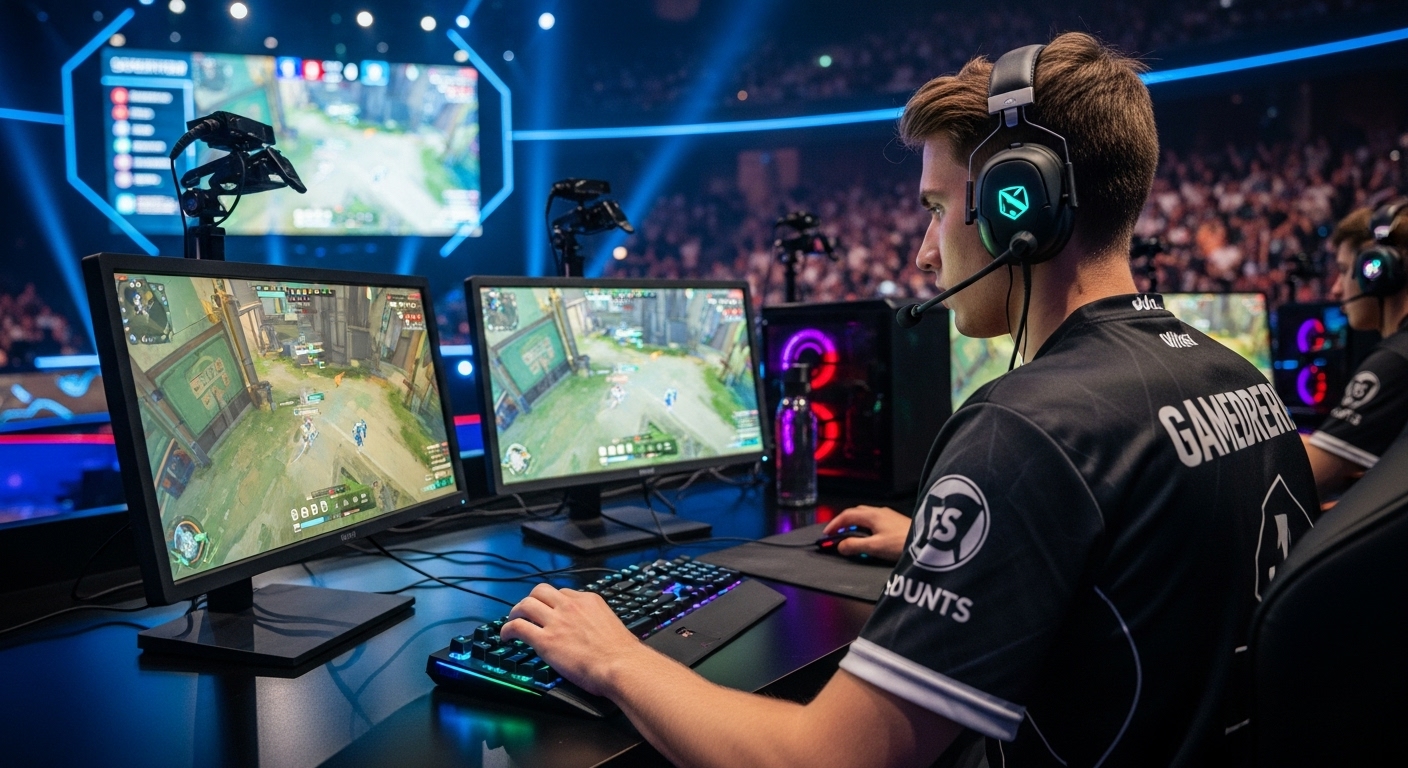
A common misconception about esports is that it lacks physical or mental rigor. In reality, professional players undergo intense training similar to traditional athletes. They spend hours each day practicing, studying strategies, and improving reflexes.
Esports demands high levels of concentration, hand-eye coordination, and decision-making speed. To maintain performance, players follow structured routines that include physical fitness, nutrition, and mental health care. Esports organizations employ coaches, analysts, and psychologists to ensure their teams perform at their peak.
However, challenges such as burnout, repetitive strain injuries, and stress remain concerns. The industry is increasingly aware of the need to promote healthy gaming habits and sustainable careers.
The Spectator Experience
One of the defining features of esports is its appeal as a spectator sport. Unlike traditional sports, esports offers digital interactivity. Fans can watch from anywhere in the world, interact with players through chat, and follow matches in real-time.
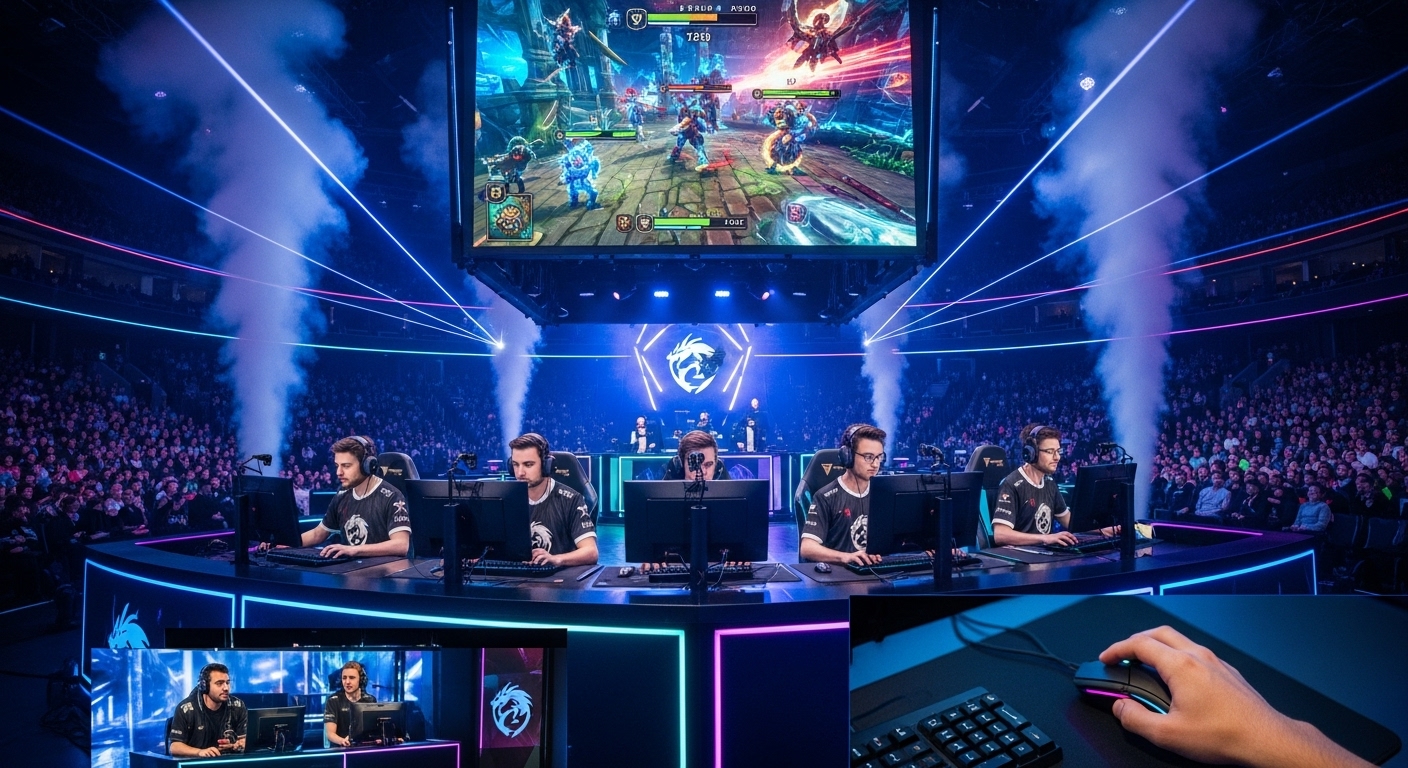
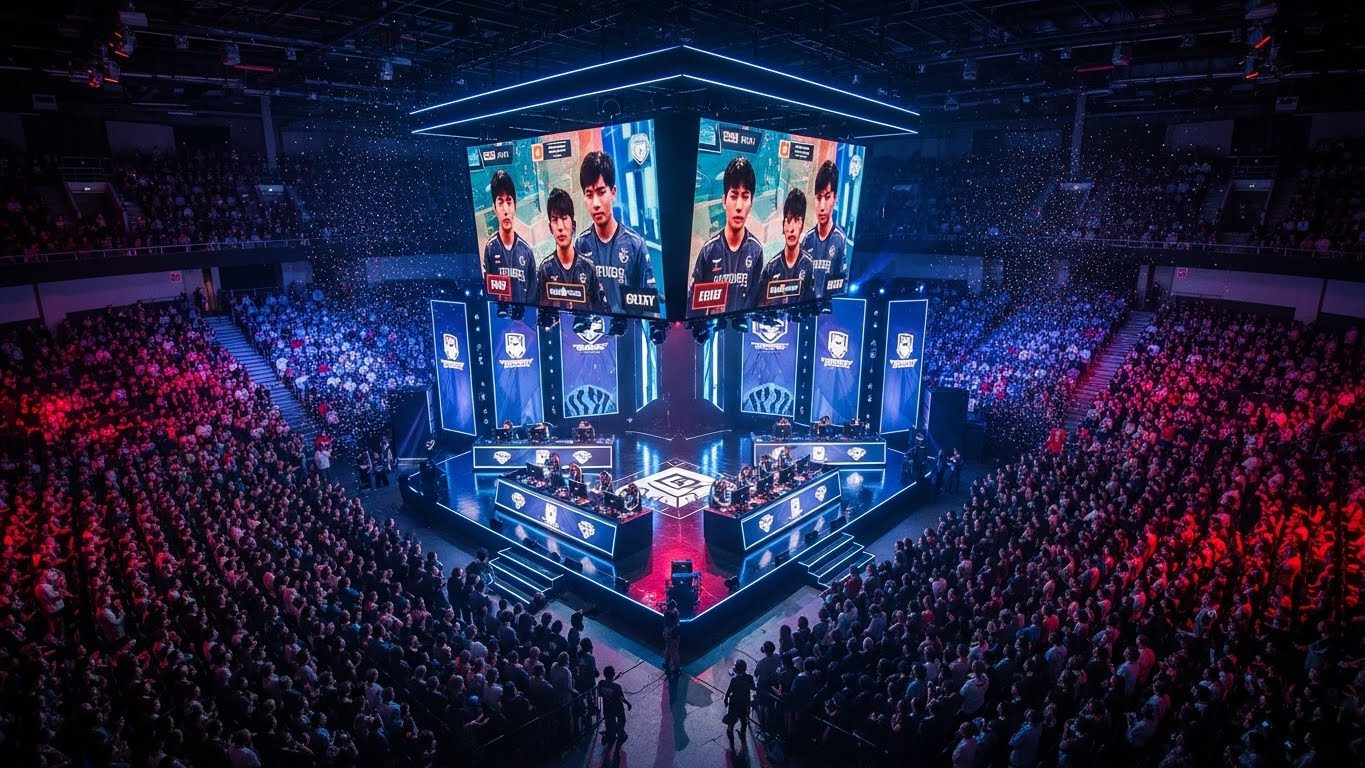
Large-scale tournaments fill stadiums, with elaborate stages, lighting, and live commentary. The production quality of esports events often rivals that of major sports championships. Esports broadcasting incorporates instant replays, player perspectives, and expert analysis to engage viewers.
The audience for esports is young, tech-savvy, and globally connected. This demographic makes it a valuable market for advertisers and entertainment companies. Fans are deeply invested, following their favorite teams with the same passion seen in football or basketball communities.
Challenges Facing the Esports Industry
Despite its success, esports faces challenges that must be addressed for sustainable growth. One major issue is player welfare. The intense competition and pressure can lead to mental health struggles and early retirements.
Regulation is another concern. Since esports spans multiple countries and game titles, establishing consistent rules and governance is difficult. Issues such as cheating, match-fixing, and doping have occasionally surfaced, highlighting the need for transparent oversight.
Monetization is also a challenge. While viewership is high, not all tournaments or teams generate consistent revenue. Smaller organizations often struggle to survive in an industry dominated by major titles and sponsors.
Additionally, the rapid pace of technological change means that esports must constantly adapt. Games rise and fall in popularity, and organizations must remain flexible to stay relevant.
The Future of Esports
The future of esports is bright and full of possibilities. With advancements in technology and growing mainstream acceptance, esports is poised to become one of the most influential forms of entertainment in the world. Virtual reality could transform how players and fans interact, creating immersive experiences that bridge the gap between digital and physical competition.
Mobile esports is another major frontier, especially in developing regions where smartphones are more accessible than gaming PCs. Games designed for mobile platforms have opened esports to millions of new participants.
As governments and institutions continue to recognize esports, it could soon become a permanent part of the Olympic landscape or other international sporting events. Educational and developmental programs will nurture the next generation of esports professionals, ensuring that the industry continues to thrive.
Conclusion
Esports represents more than just competitive gaming—it is a cultural, technological, and economic revolution. From humble beginnings in university computer labs to sold-out arenas and worldwide audiences, esports has transformed how we perceive play and competition. It bridges communities, inspires innovation, and provides new opportunities for millions around the world.
As technology continues to evolve and society embraces digital entertainment, esports will only grow stronger. It stands as a symbol of the modern age: where creativity, skill, and connection unite across borders through the power of play.
In the grand story of human competition, esports has carved its own chapter—one that reflects our collective journey into the future of digital culture.