Introduction
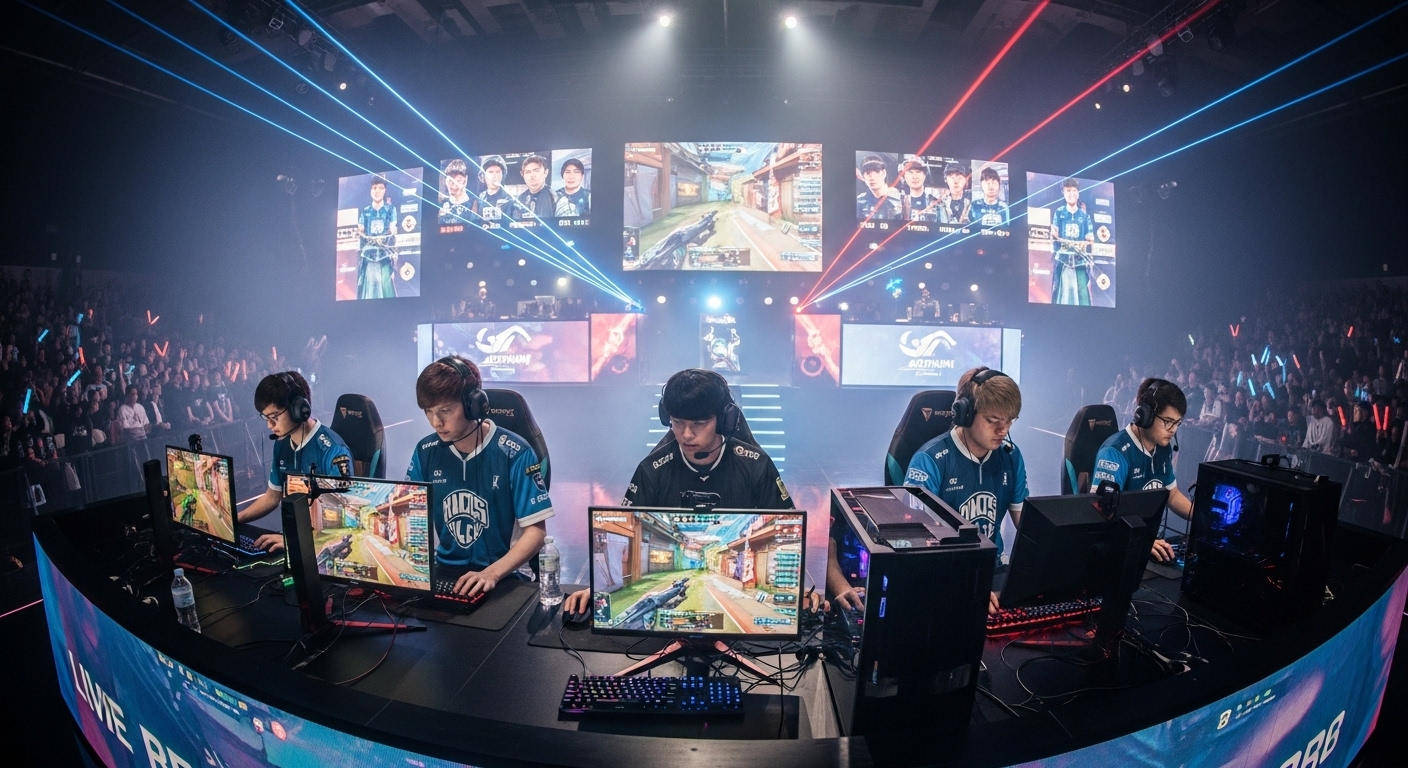
Esports, or competitive video gaming, has grown from a niche hobby into a global phenomenon, influencing technology, culture, and entertainment in ways few industries have. What began as informal competitions among enthusiasts in the 1980s and 1990s has evolved into professional leagues, massive tournaments, and a billion-dollar industry with dedicated teams, sponsorships, and millions of fans worldwide.
At its core, esports combines skill, strategy, teamwork, and entertainment. Players are no longer casual gamers; they are professional athletes who train rigorously, compete at the highest levels, and build global fan bases. This blog explores the history, growth, impact, and future of esports, highlighting its transformative effect on the gaming world and beyond.
The Early Days of Competitive Gaming
Competitive gaming traces its origins to arcade culture and early computer games. In the late 1970s and early 1980s, games like Space Invaders and Pac-Man inspired high-score competitions. These early contests, often local or regional, highlighted the social and competitive appeal of gaming.
In 1980, the Space Invaders Championship drew thousands of players across the United States, demonstrating the potential for gaming as a structured competition. This period set the foundation for formalized tournaments and the development of professional gaming communities.
The 1990s saw the emergence of PC-based competitive gaming. Titles such as Quake, StarCraft, and Warcraft introduced multiplayer online functionality, enabling players to compete beyond local arcades. This era laid the groundwork for international esports competitions and began shaping gaming as a viable professional pursuit.
The Rise of Esports in the 2000s
The 2000s marked a turning point in esports growth. Broadband internet and advanced multiplayer technologies allowed for large-scale online competitions. Games like Counter-Strike, DotA, and World of Warcraft became the first titles to establish sustained competitive communities.
South Korea played a pioneering role in formalizing esports as a profession. The nation’s PC bangs (internet cafes) and extensive broadband infrastructure created fertile ground for competitive gaming. Professional players gained celebrity status, and esports leagues, particularly for StarCraft, became national phenomena.
During this period, tournament organizations began to structure events with standardized rules, rankings, and cash prizes. International competitions began to emerge, drawing attention from sponsors and traditional media. The professionalization of esports during this era set the stage for the explosive growth of the next decade.
Popular Esports Genres and Games
Esports spans multiple genres, each with unique gameplay, strategies, and fanbases. Understanding these categories helps illustrate the diversity and appeal of the industry.
Multiplayer Online Battle Arenas (MOBAs)
Games like League of Legends and Dota 2 dominate the MOBA genre. These games emphasize teamwork, strategy, and map control. Success requires precise coordination among team members, strategic planning, and quick adaptation to opponents’ tactics.
First-Person Shooters (FPS)
FPS titles such as Counter-Strike: Global Offensive, Valorant, and Call of Duty emphasize precision, reflexes, and strategic positioning. Players compete in real-time, testing their ability to respond under pressure while maintaining teamwork and communication.
Battle Royale Games
Battle royale titles like Fortnite and PUBG combine survival mechanics, exploration, and fast-paced combat. These games demand adaptability, strategic thinking, and situational awareness, rewarding players who can outlast opponents in dynamic environments.
Fighting Games
Fighting games such as Street Fighter and Tekken focus on individual skill, timing, and psychological strategy. Competitions revolve around mastering combos, predicting opponents’ moves, and executing precise attacks.
Sports Simulations
Simulated sports titles, including FIFA and NBA 2K, allow players to replicate real-world athletic competitions. These games combine strategy, reflexes, and knowledge of the sport, offering a bridge between traditional sports and virtual competition.
Major Esports Tournaments and Leagues
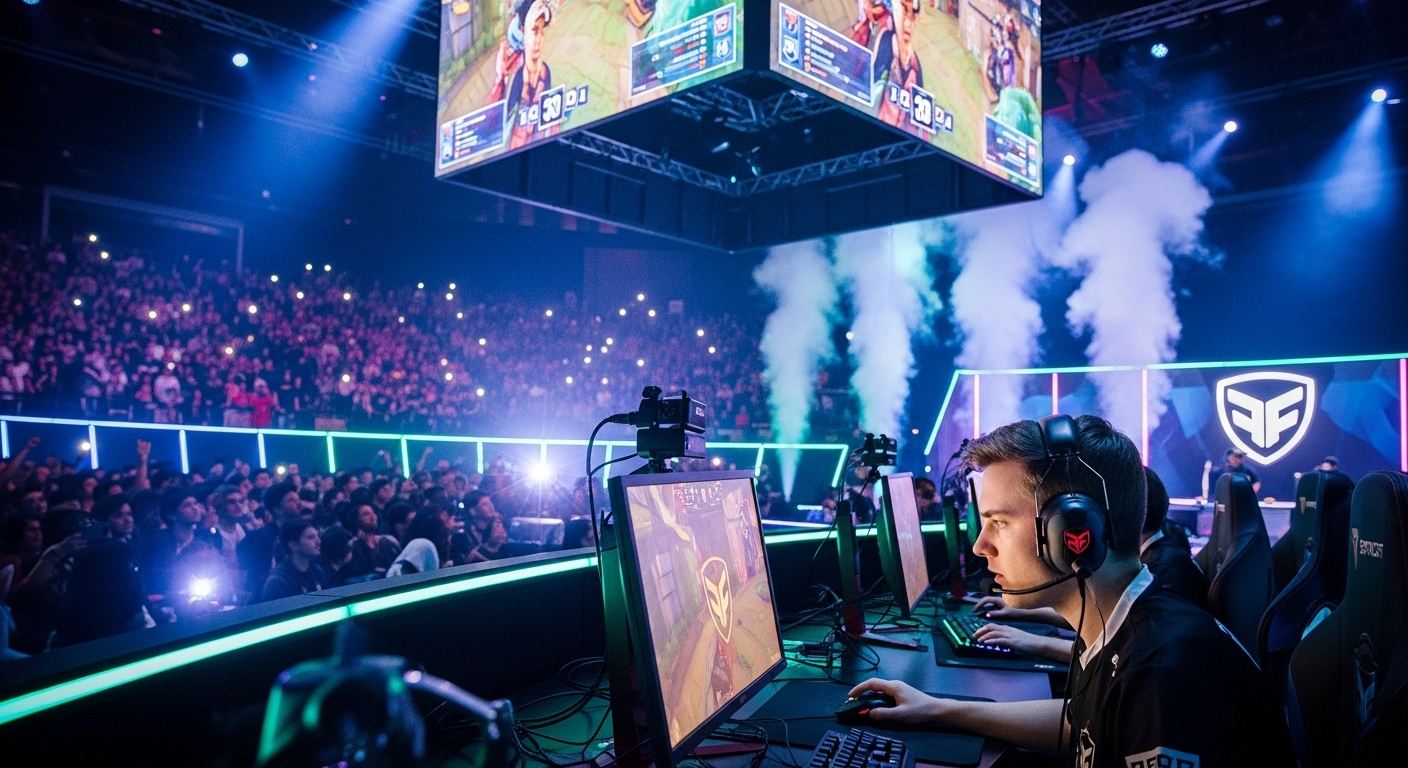
Tournaments are the lifeblood of esports, attracting global audiences and showcasing elite talent. Events vary from regional competitions to massive international championships with multi-million-dollar prize pools.
The League of Legends World Championship is one of the most prestigious esports events, drawing millions of viewers worldwide and offering prize pools exceeding ten million dollars. The International for Dota 2 holds the record for some of the largest prize pools in esports history, funded through community contributions and sponsorships.
Other notable tournaments include the Fortnite World Cup, Counter-Strike: Global Offensive Major Championships, and Overwatch League events. These competitions highlight the skill, strategy, and entertainment value of esports while fostering international fan communities.
The Professionalization of Esports
Esports professionalism mirrors that of traditional sports in many ways. Professional teams hire players, coaches, analysts, and support staff to maximize performance. Training schedules often include daily practice, strategy sessions, and physical conditioning to maintain reflexes and mental sharpness.
Sponsorships and endorsements provide financial support, while streaming platforms allow players to cultivate personal brands and interact with fans. Career longevity, however, can be short, and players often transition into coaching, content creation, or management roles after retiring from active competition.
Streaming and the Esports Audience
The rise of live streaming has been critical to esports’ growth. Platforms like Twitch, YouTube Gaming, and Facebook Gaming allow fans to watch live competitions, follow favorite players, and participate in community discussions.
Streaming also provides revenue streams for players and organizations through subscriptions, donations, and sponsorships. The interactive nature of live streams enhances engagement, turning spectators into active participants in the gaming experience.
Global esports viewership now rivals traditional sports, with millions tuning in for major events. The accessibility and interactivity of online streaming have made esports one of the most engaging forms of entertainment in the digital age.
Technology’s Role in Esports
Esports relies heavily on technology. High-performance gaming rigs, low-latency internet connections, and specialized peripherals ensure fair and competitive play. Software innovations facilitate live streaming, tournament management, and real-time analytics.
Artificial intelligence is increasingly used for training and strategy analysis. AI can simulate opponents, analyze gameplay data, and provide insights to improve performance. Virtual reality and augmented reality are emerging technologies that may further transform the esports experience, offering immersive arenas and enhanced viewer engagement.
Economic Impact of Esports
Esports is now a multi-billion-dollar industry. Revenue streams include tournament prizes, sponsorships, merchandise, advertising, media rights, and in-game purchases. The financial ecosystem supports teams, developers, broadcasters, and ancillary industries, making esports a significant economic force.
Major corporations sponsor events and teams, seeing esports as a way to reach young, engaged audiences. The economic impact extends beyond gaming, influencing marketing, media production, and technology sectors. Esports has also created new career opportunities in coaching, content creation, analytics, and event management.
Social and Cultural Influence
Esports is not only about competition; it has become a cultural phenomenon. Fans connect through shared experiences, online communities, and live events. Cosplay, fan art, and themed merchandise reflect the integration of gaming into broader cultural expressions.
Esports has also promoted global connectivity. Players and fans from different countries compete, collaborate, and socialize online, transcending geographical and cultural barriers. The community aspect of esports fosters inclusivity, teamwork, and shared enthusiasm.
Streaming personalities and professional players have become influencers, shaping youth culture, fashion, and digital entertainment trends. Esports is now a lifestyle, influencing music, media, and social interaction.
Challenges Facing Esports
Despite its growth, esports faces several challenges. Mental health and burnout are critical issues for professional players who endure long practice hours, intense competition, and public scrutiny. Organizations are increasingly implementing wellness programs and support systems to address these challenges.
Regulation is another concern. Match-fixing, cheating, and fraud threaten the integrity of competitions. Standardized rules, anti-cheat technologies, and oversight bodies are necessary to maintain fairness.
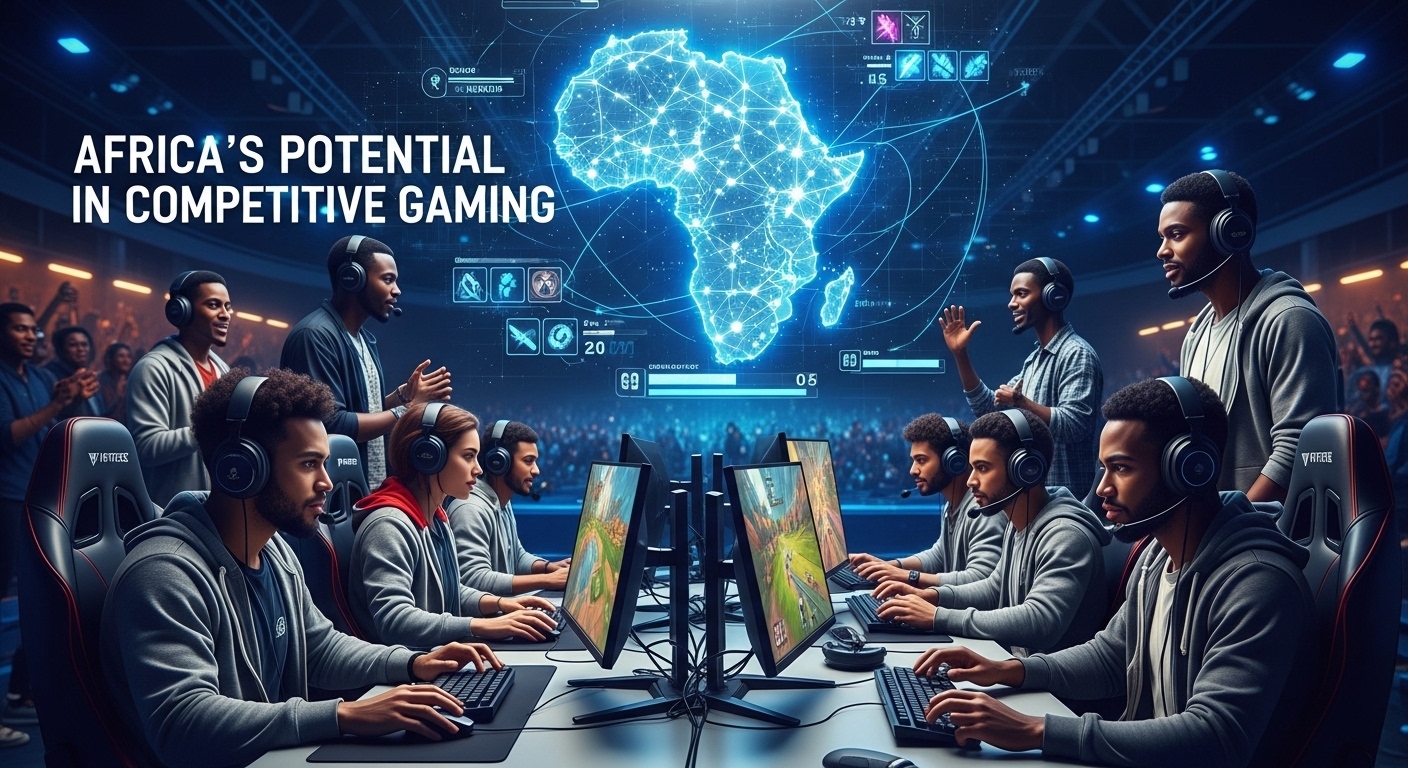
Diversity and inclusivity also remain areas for improvement. The industry continues to work toward broader representation across gender, ethnicity, and regions to ensure equal opportunities and a welcoming environment for all players.
The Future of Esports
The future of esports is bright and full of potential. Emerging technologies such as virtual reality, augmented reality, and artificial intelligence will enhance gameplay, training, and spectator experiences. Mobile esports is expanding, making competitive gaming more accessible than ever.
Esports will continue to integrate with mainstream media, collaborating with music, film, and traditional sports industries. Educational programs, scholarships, and professional development initiatives are formalizing career pathways for aspiring players.
As audience numbers grow and global reach expands, esports is poised to become an even more influential part of digital culture and entertainment. Its professionalization, cultural relevance, and economic impact ensure a lasting legacy in the world of sports and gaming.
Conclusion
Esports has evolved from local competitions and arcade challenges into a professional, global industry that blends skill, strategy, and entertainment. Players, teams, and fans have transformed gaming into a vibrant cultural phenomenon with economic, social, and technological significance.
The industry continues to innovate, adapt, and expand, creating new opportunities for players, developers, and audiences alike. Esports represents more than gaming; it is a testament to human creativity, competition, and connection in the digital age.
From grassroots tournaments to international championships, esports exemplifies the power of gaming to entertain, inspire, and unite people around the world. Its growth and influence are only accelerating, promising an exciting future for players and fans everywhere.