Introduction
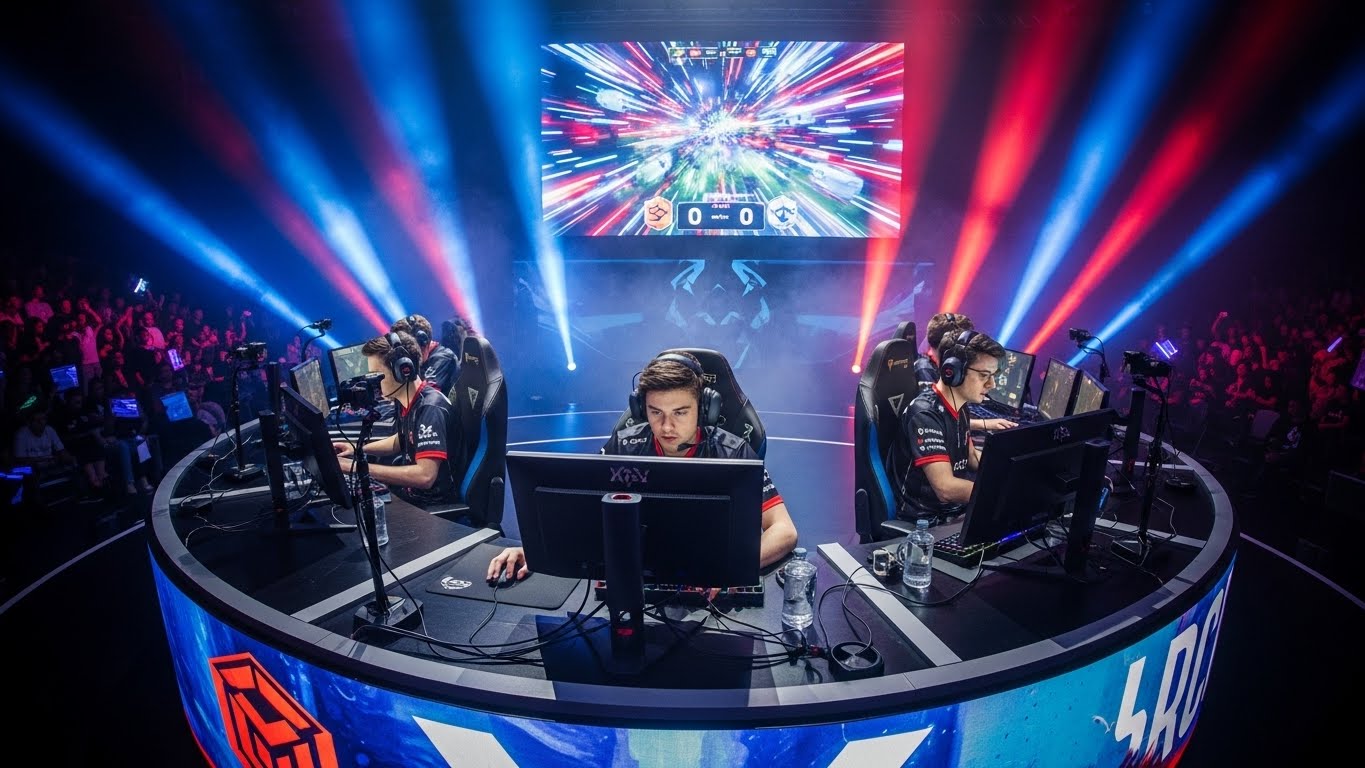
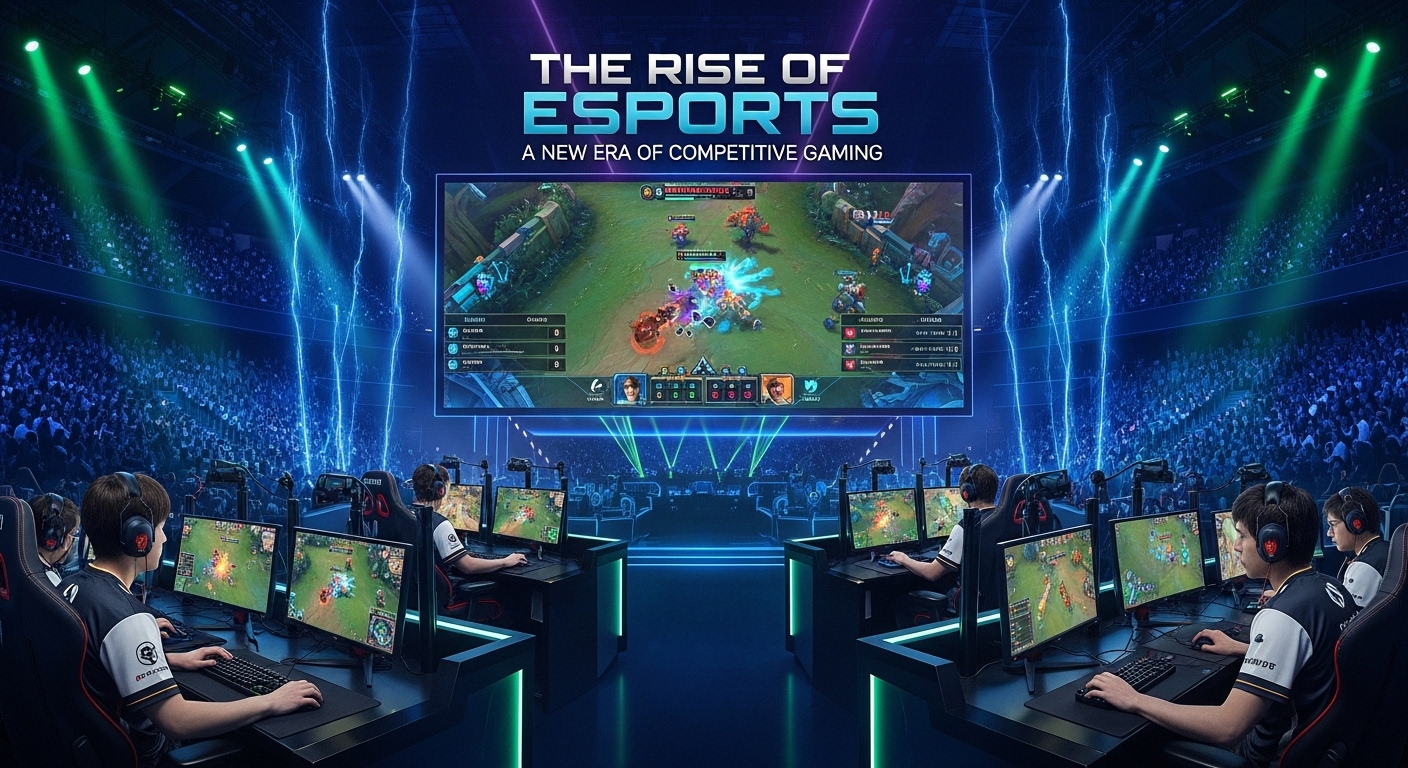
Esports, once a niche corner of the gaming world, has rapidly transformed into a global powerhouse that rivals traditional sports in terms of revenue, viewership, and cultural influence. From its humble beginnings in local tournaments and online communities to filling massive arenas with passionate fans, esports has come a long way in a relatively short period. It has become more than just a hobby for gamers; it’s a professional career path, a source of entertainment for millions, and a cultural movement that spans the globe.
This blog explores the rise of esports, its impact on the gaming industry, the factors that contribute to its explosive growth, and how it is shaping the future of entertainment. Whether you’re a casual gamer or a die-hard esports fan, understanding the dynamics of this revolution is essential in grasping how it’s changing the entertainment landscape forever.
The Birth of Competitive Gaming
The roots of esports can be traced back to the early days of video gaming. Although modern esports competitions didn’t exist, the foundation for competitive gaming was laid in the 1970s with games like Pong and Space Invaders. These games were among the first to feature competitive elements, and small, informal competitions began to emerge. However, it wasn’t until the 1990s and the advent of online multiplayer games that the true potential of esports began to take shape.
Games like Quake, StarCraft, and Warcraft allowed players to connect over the internet and compete against each other, setting the stage for large-scale competitions. By the late 1990s and early 2000s, esports tournaments started to become more organized, and dedicated esports organizations began to form. South Korea, in particular, became a pioneer in this field, establishing a national infrastructure that supported professional gaming. The country’s success in fostering esports through government support, dedicated esports channels, and massive tournament events set the global standard for competitive gaming.
The Influence of Streaming and Online Platforms
One of the most significant factors behind the rapid growth of esports is the rise of live streaming platforms. In the early 2010s, Twitch, the premier live streaming platform for gamers, changed the landscape of competitive gaming. Before Twitch, esports events were often confined to physical tournaments or broadcasted on niche channels. However, Twitch allowed gamers and fans to connect in real-time, watch tournaments live, and engage with streamers through chat interactions. This not only helped increase the visibility of esports but also allowed fans to support their favorite players and teams on a deeper level.
Streaming platforms like YouTube Gaming, Facebook Gaming, and even Mixer (which has since been integrated into Facebook Gaming) have expanded the reach of esports, creating a larger, more diverse audience. Today, millions of people from around the world tune into live streams of esports tournaments, professional players’ streams, and content creators who offer commentary, tutorials, or entertainment related to gaming.
Through these platforms, esports has gained more than just a viewing audience—it has built an active, engaged community. Fans can interact with players, discuss strategies, or simply celebrate the victories of their favorite teams. This sense of community has been a driving force behind the continued growth of esports, making it a staple of modern internet culture.
The Economic Impact of Esports
Esports is no longer just a niche market—it’s a billion-dollar industry with revenue streams from various sources. According to industry estimates, the global esports market is expected to surpass $1.5 billion by the mid-2020s, with continued growth predicted for years to come. Esports events, sponsorships, broadcasting rights, and media deals have all contributed to this rapid economic expansion.
One of the primary revenue sources in esports is sponsorship. Brands from a wide range of industries, including Coca-Cola, Intel, Red Bull, and Mercedes-Benz, have invested heavily in esports. These partnerships allow brands to target a young, tech-savvy audience that is hard to reach through traditional advertising. Companies sponsor tournaments, teams, and individual players, ensuring their products are integrated into the gaming experience.
Prize money in esports tournaments has also grown exponentially. For example, the prize pool for The International, a Dota 2 tournament, reached over $40 million in 2021, making it one of the largest prize pools in the history of competitive gaming. This level of prize money is not only a reflection of the popularity of esports but also highlights the massive financial potential of the industry. Many esports players now make a living through tournament earnings, sponsorships, streaming, and merchandising.
Alongside these financial successes, the esports ecosystem has created numerous jobs, ranging from event organizers and production crews to content creators, analysts, and even marketing and social media managers for teams and tournaments. Esports has created an entirely new professional landscape, providing career opportunities for individuals with a wide range of skills.
Esports as a Cultural Movement
Esports has transcended its origins as a competitive gaming scene to become a major cultural movement. It has gained significant mainstream attention, and gaming has evolved from a hobby to a lifestyle and form of entertainment that appeals to people of all ages. Today, esports players and teams have become celebrities in their own right, with millions of fans following them on social media platforms like Instagram, Twitter, and TikTok.
These players are often just as famous as traditional sports stars, and they have substantial influence over their communities. They partner with brands, create personal content for their followers, and engage with fans on a personal level. Some esports players even transition into mainstream entertainment, whether it’s through acting, music, or other forms of media.
Esports has also played a crucial role in breaking down the stereotypes about gaming. While gaming was once considered an activity reserved for introverted teenagers, the rise of esports has shown that gaming is a diverse, inclusive activity that appeals to people from all walks of life. Women, for example, have become an increasingly visible force in the esports world, both as players and streamers, although challenges related to representation still exist. The shift toward greater inclusion and visibility is one of the defining aspects of esports culture, and it’s something that will continue to drive the industry’s evolution.
The Growth of Esports Leagues and Tournaments
As esports has grown, so too have the tournaments and leagues that make up its core. Early esports competitions were often small, informal events with limited prize money. Today, there are several high-profile leagues, many of which operate similarly to traditional sports leagues, featuring teams that represent cities or organizations.
The League of Legends Championship Series (LCS), Overwatch League (OWL), and Call of Duty League (CDL) are examples of major esports leagues that feature regular-season matches, playoffs, and championships. These leagues have created structured competitions with franchised teams, a model similar to what you see in the NBA, NFL, or Premier League. Each team competes for both prize money and prestige, and the leagues attract millions of viewers worldwide, with many fans purchasing tickets to attend live events.
In addition to these league-based events, open tournaments such as The International (Dota 2) and Fortnite World Cup draw in players from around the world to compete for massive prize pools. These tournaments not only serve as global spectacles but also foster a sense of unity and competition, bringing together players, fans, and brands from all corners of the globe.
Esports in Education
The rapid growth of esports has also made its way into the educational system. Many universities now offer esports scholarships, allowing students to receive financial support based on their gaming abilities. Some schools even have official esports programs, which include dedicated practice facilities, coaches, and competitive teams that play against other schools. In the United States, universities like University of California, Irvine and Miami University have established themselves as leaders in collegiate esports.
The popularity of esports in schools and universities reflects a larger cultural shift in how we view gaming. What was once a hobby relegated to the sidelines is now recognized as a legitimate skill and discipline. Colleges and universities are investing in esports not only as an entertainment activity but also as a means to develop teamwork, strategy, communication, and leadership skills.
Moreover, esports has driven interest in related fields like game design, media production, and digital marketing. As a result, academic institutions are introducing degree programs in esports management, providing students with the skills necessary to pursue careers in the booming industry.
The Future of Esports
The future of esports is incredibly promising, with new technology and global trends contributing to its ongoing expansion. Advancements in virtual reality (VR) and augmented reality (AR) are poised to revolutionize the way players compete and fans engage with esports events. VR could allow players to immerse themselves in the game world in ways previously thought impossible, while AR could enhance the spectator experience by providing real-time data overlays and more interactive elements during live broadcasts.
In addition to technology, the growth of mobile gaming is another factor that will likely shape the future of esports. Mobile devices are becoming increasingly powerful, and games like PUBG Mobile, Mobile Legends, and Arena of Valor have gained huge popularity, especially in regions like Southeast Asia. As mobile gaming continues to evolve, it could give rise to new forms of competitive gaming and expand esports to a more diverse audience.
Cloud gaming platforms like Google Stadia, Nvidia GeForce Now, and Xbox Cloud Gaming will also make esports more accessible. These platforms allow players to compete in high-quality games without the need for expensive hardware. As internet speeds and cloud technology improve, esports will become even more accessible to players from around the world.