Introduction
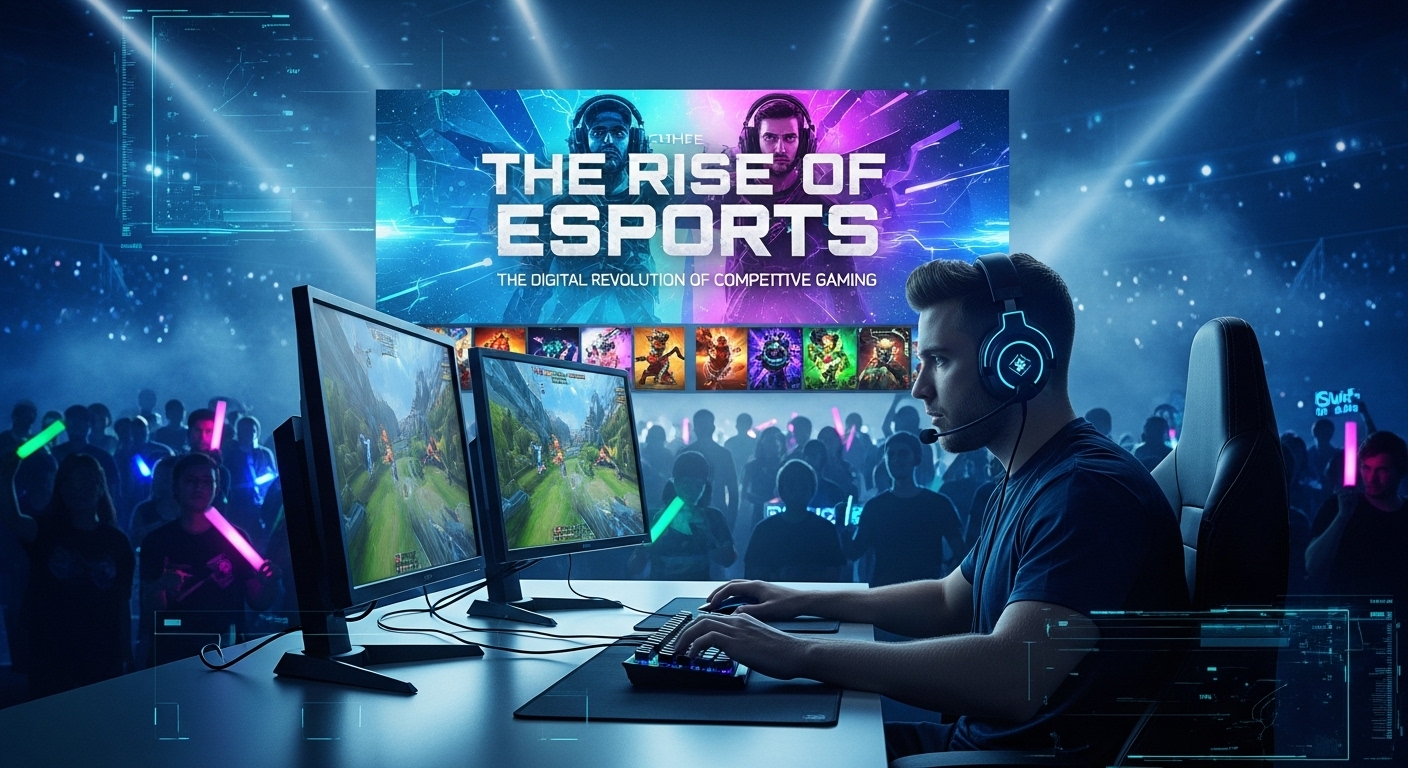
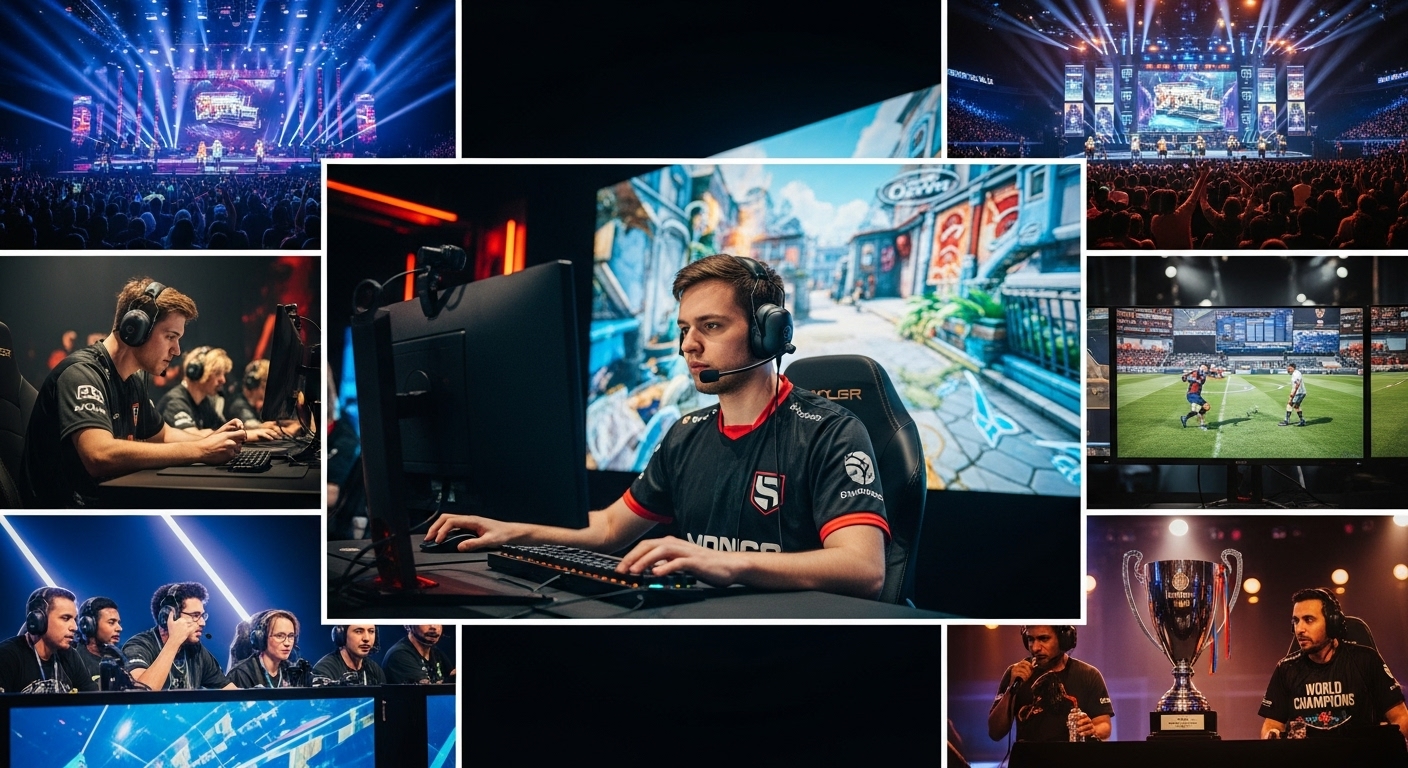
In the digital age, the landscape of competition has shifted dramatically. Esports, short for electronic sports, has emerged as a revolutionary form of entertainment that merges technology, skill, and strategy. Once considered a niche hobby for teenagers, esports has evolved into a billion-dollar global industry with professional players, dedicated fan bases, and worldwide tournaments. The appeal of esports goes beyond gaming; it combines the excitement of sports with the creativity and accessibility of digital culture.
The rise of esports has challenged traditional notions of athleticism, redefining what it means to compete at the highest level. Players are celebrated as professional athletes, teams function like major sports franchises, and tournaments attract millions of viewers worldwide. In this blog, we explore the history, culture, economic impact, and future of esports, highlighting why it has become one of the most influential entertainment phenomena of the modern era.
The Early Days of Competitive Gaming
The concept of competitive gaming is older than most people realize. In the early 1970s, students at Stanford University competed in a game called Spacewar, where the winner received a subscription to Rolling Stone magazine. While modest by today’s standards, this event is often regarded as one of the first organized gaming competitions.
The 1980s saw the rise of arcades, where games like Pac-Man, Donkey Kong, and Space Invaders drew crowds eager to prove their skills. These early competitions were primarily local, but they laid the foundation for the social and competitive aspects of gaming. The introduction of home consoles and personal computers in the late 1980s and 1990s expanded the possibilities for multiplayer competition.
Games such as Quake, Doom, and StarCraft allowed players to connect over networks, introducing the concept of online competition. South Korea became a pioneer during this era, broadcasting StarCraft leagues on national television and transforming gaming into a professional pursuit. These early developments set the stage for esports as we know it today.
The Formation of Professional Esports
The early 2000s marked a turning point for competitive gaming. The establishment of professional leagues such as Major League Gaming in the United States and the Cyberathlete Professional League provided structure, legitimacy, and significant prize pools. These leagues formalized competition, introduced rankings, and attracted sponsors, elevating gaming from a hobby to a career path.
The expansion of broadband internet and online platforms allowed players from different parts of the world to compete in real time. International tournaments became more frequent, and fan communities grew rapidly. This period also saw the rise of live streaming, which allowed millions of fans to watch tournaments, interact with players, and engage with the esports ecosystem.
Titles such as Counter-Strike, Warcraft III, and Halo became competitive staples, while South Korea’s professional StarCraft scene demonstrated that gaming could be a mainstream spectator sport. These developments paved the way for the esports boom of the 2010s.
The Golden Era of Esports and Streaming
The 2010s are often considered the golden era of esports. Streaming platforms like Twitch and YouTube Gaming allowed players to broadcast live matches to a global audience, creating unprecedented visibility for esports. Fans could follow tournaments, watch their favorite players, and engage with communities in real time.
Games such as League of Legends, Dota 2, and Counter-Strike: Global Offensive became pillars of the industry. Large-scale tournaments filled arenas, with production quality rivaling that of traditional sports. The League of Legends World Championship and The International for Dota 2 became cultural landmarks, drawing millions of viewers and setting records for prize money.
This era also attracted significant corporate investment. Brands recognized the potential of esports to reach younger, digitally native audiences. Sponsorships from companies in technology, energy drinks, apparel, and even automotive sectors helped fuel the industry’s growth. The esports ecosystem expanded beyond players to include commentators, coaches, analysts, event organizers, and content creators.
Iconic Games That Defined Competitive Play
Esports is defined by the games that capture competitive imagination. Certain titles have shaped the industry by creating dedicated communities, deep strategies, and massive fan engagement.
League of Legends
League of Legends, developed by Riot Games, is one of the most successful esports titles globally. Its multiplayer online battle arena (MOBA) format combines strategy, team coordination, and mechanical skill. The League of Legends World Championship is one of the most-watched sporting events worldwide, attracting millions of live viewers and showcasing professional talent at the highest level.
Dota 2
Valve’s Dota 2 is renowned for its strategic depth and enormous prize pools. The International, Dota 2’s annual championship, frequently offers tens of millions of dollars in rewards, demonstrating the financial potential of esports. Its highly competitive environment and complex gameplay attract both players and fans seeking intense, tactical competition.
Counter-Strike: Global Offensive
CS:GO has remained a cornerstone of esports for nearly two decades. Its tactical gameplay, teamwork, and precision make it a favorite among first-person shooter fans. The game’s competitive leagues, international tournaments, and dedicated fan base contribute to its longevity and popularity.
Fortnite
Fortnite, developed by Epic Games, introduced a unique combination of building mechanics and battle royale gameplay. Its accessibility and mainstream appeal have brought millions of players into esports. The Fortnite World Cup demonstrated the global reach of esports and its potential to attract young audiences worldwide.
Valorant and Overwatch
Modern team-based shooters like Valorant and Overwatch combine fast-paced action with strategic abilities. These games represent the evolving diversity of esports, offering unique gameplay experiences while maintaining competitive integrity.
The Professional Esports Ecosystem
Esports operates as a highly organized ecosystem. Professional players dedicate years to developing mechanical skills, strategic understanding, and team coordination. Teams are managed like traditional sports franchises, with coaches, analysts, and support staff ensuring peak performance.
Organizations such as T1, Team Liquid, and Fnatic have become global brands, influencing gaming culture beyond competition. Sponsorships from major companies provide financial stability, while merchandise, ticket sales, and digital content create additional revenue streams. This professionalization demonstrates that esports is more than a hobby—it is a legitimate, high-stakes industry with global reach.
Training and Lifestyle of Professional Players
Professional esports players follow rigorous schedules that require both mental and physical discipline. Daily practice often spans eight to ten hours, focusing on gameplay mechanics, strategic coordination, and team communication. Training facilities, or gaming houses, provide structured environments with coaches, nutritionists, and psychologists supporting player development.
Mental health and physical fitness are critical components of a successful esports career. Intense competition and online scrutiny can lead to burnout, making wellness programs essential. Most professional players peak in their late teens or early twenties due to the reflexive and cognitive demands of competitive gaming. Post-competition careers in coaching, streaming, or content creation allow players to extend their influence beyond active play.
The Economics of Esports
The esports industry generates revenue through multiple channels, including sponsorships, advertising, tournament winnings, merchandise sales, and media rights. Prize pools for major events have reached staggering amounts, with The International offering more than forty million dollars in rewards.
Brands recognize esports as a gateway to digitally engaged audiences, often younger demographics that are less reachable through traditional media. Organizations operate like franchises, managing players, negotiating contracts, and creating content to engage fans. The financial impact extends beyond tournaments, influencing hardware manufacturers, software developers, event organizers, and streaming platforms.
Cultural Significance and Mainstream Impact
Esports has grown into a cultural movement. Its influence extends into fashion, music, and digital media. Collaborations between esports teams and apparel brands have created merchandise that blends style with gaming identity. Musicians perform at esports events, creating entertainment experiences that merge music and competition.
The mainstream recognition of esports has also challenged outdated stereotypes. Gaming is increasingly seen as a skill-based, strategic, and disciplined pursuit. Esports communities foster global connections, allowing fans to engage with players and other enthusiasts across continents. This cultural impact demonstrates that esports is more than a pastime—it is a global social phenomenon.
Challenges Facing the Industry
Despite its growth, esports faces several challenges. One major issue is the lack of standardized regulation. Each game developer controls competitive rules, creating inconsistencies across tournaments and organizations. This fragmentation can lead to disputes and confusion within the industry.
Player burnout, mental health, and work-life balance remain critical concerns. High-pressure competitions, long practice hours, and online criticism can lead to stress and fatigue. Smaller teams often struggle financially, relying heavily on sponsorships and tournament earnings. Additionally, online toxicity and cheating continue to challenge the community, requiring ongoing efforts to maintain fairness and inclusivity.
Esports in Education
Educational institutions have recognized the value of esports as both a competitive and developmental tool. High schools and universities now offer esports programs, scholarships, and clubs, emphasizing skills such as teamwork, strategy, and leadership. Academic programs in esports management, game design, and digital media provide pathways for students to turn their passion into a career.
Research indicates that gaming can enhance cognitive abilities, including multitasking, problem-solving, and reaction time. By integrating esports into education, institutions create structured opportunities for students to develop valuable skills while participating in a globally recognized industry.
Global Expansion and Accessibility
Esports is a worldwide phenomenon. South Korea, China, and the United States are leaders in professional leagues, but regions like Europe, Latin America, and Southeast Asia are experiencing rapid growth. Mobile esports has expanded participation to areas where PCs and consoles are less common, making competitive gaming more accessible than ever.
Governments are beginning to recognize esports as an economic and cultural asset. Professional players can obtain athlete visas in several countries, and cities host large-scale events to boost tourism and local economies. This globalization ensures that esports continues to evolve as an inclusive, international community.
The Future of Esports
The future of esports is closely linked to emerging technologies. Virtual reality, augmented reality, and artificial intelligence are expected to revolutionize gameplay, training, and spectator experiences. Fans may one day experience tournaments in immersive environments, enhancing engagement and interactivity.
Blockchain and digital collectibles will provide new revenue opportunities and ways for fans to engage with teams and players. The potential inclusion of esports in the Olympic Games reflects its growing legitimacy as a global sport. Mobile gaming and cloud-based platforms will continue to expand participation, making esports accessible to a broader range of players and audiences worldwide.
Conclusion
Esports has grown from humble beginnings into a global industry that shapes entertainment, culture, and competition. It demonstrates how technology can create entirely new forms of social interaction, career opportunities, and international community.
From professional players to dedicated fans, esports has built an ecosystem that rivals traditional sports in excitement, engagement, and economic impact. Its influence reaches beyond gaming, affecting culture, education, and global connections. As esports continues to evolve, it stands as a testament to human creativity, skill, and the power of digital innovation to redefine the world of competition.