Esports has transitioned from a niche hobby to a global entertainment phenomenon. With millions of fans, lucrative sponsorships, and multi-million-dollar prize pools, it’s hard to imagine a world where esports didn’t dominate the digital landscape. The rapid growth of competitive gaming is redefining entertainment, influencing the way people engage with sports, media, and even socialization. In this blog post, we’ll delve into the factors driving the success of esports, its cultural impact, the future of competitive gaming, and why it’s more than just “playing games.”
Understanding Esports: More Than Just Gaming
Esports, or electronic sports, refers to organized, multiplayer video game competitions, especially between professional players, individually or as teams. While competitive gaming has been around since the early days of arcades and PC gaming, the term “esports” began gaining traction in the late 2000s. The games involved are typically skill-based, requiring a combination of strategy, quick reflexes, and teamwork.
However, esports is not merely about playing games. It’s a highly organized ecosystem that includes professional players, teams, tournaments, streaming platforms, analysts, coaches, and, of course, a passionate fanbase. Titles like League of Legends, Dota 2, Counter-Strike: Global Offensive (CS:GO), and Overwatch have evolved into massive franchises with international reach and immense commercial value.
The Rise of Competitive Gaming: A Global Phenomenon
The first spark of esports can be traced back to the 1990s with games like Street Fighter II and Quake. These games introduced the idea of competitive gaming, albeit in a more informal and grassroots manner. However, it wasn’t until the early 2000s that esports began taking its modern shape. The launch of StarCraft and the establishment of leagues like the World Cyber Games (WCG) helped solidify competitive gaming as a serious sport.
By the mid-2010s, esports exploded in popularity, fueled by advances in internet speed, streaming technology, and the increasing accessibility of gaming platforms. This was the moment when competitive gaming evolved from local LAN parties to global live-streamed events with millions of viewers. The League of Legends World Championship, for example, attracts more viewers than some traditional sporting events, such as the NBA Finals.
In 2020, the COVID-19 pandemic further accelerated the rise of esports as traditional sports leagues shut down, and fans turned to online competitions for entertainment. Esports tournaments, which were once held in stadiums or convention centers, were streamed to millions of homes, offering a safe and engaging alternative during the lockdown.
Esports as a Legitimate Career Path
Perhaps the most intriguing aspect of esports is that it’s offering young people around the world the opportunity to pursue gaming as a legitimate career. Traditionally, gaming was seen as a hobby, something to do in spare time. Now, with the rise of professional players, content creators, and team organizations, competitive gaming has become a viable career choice.
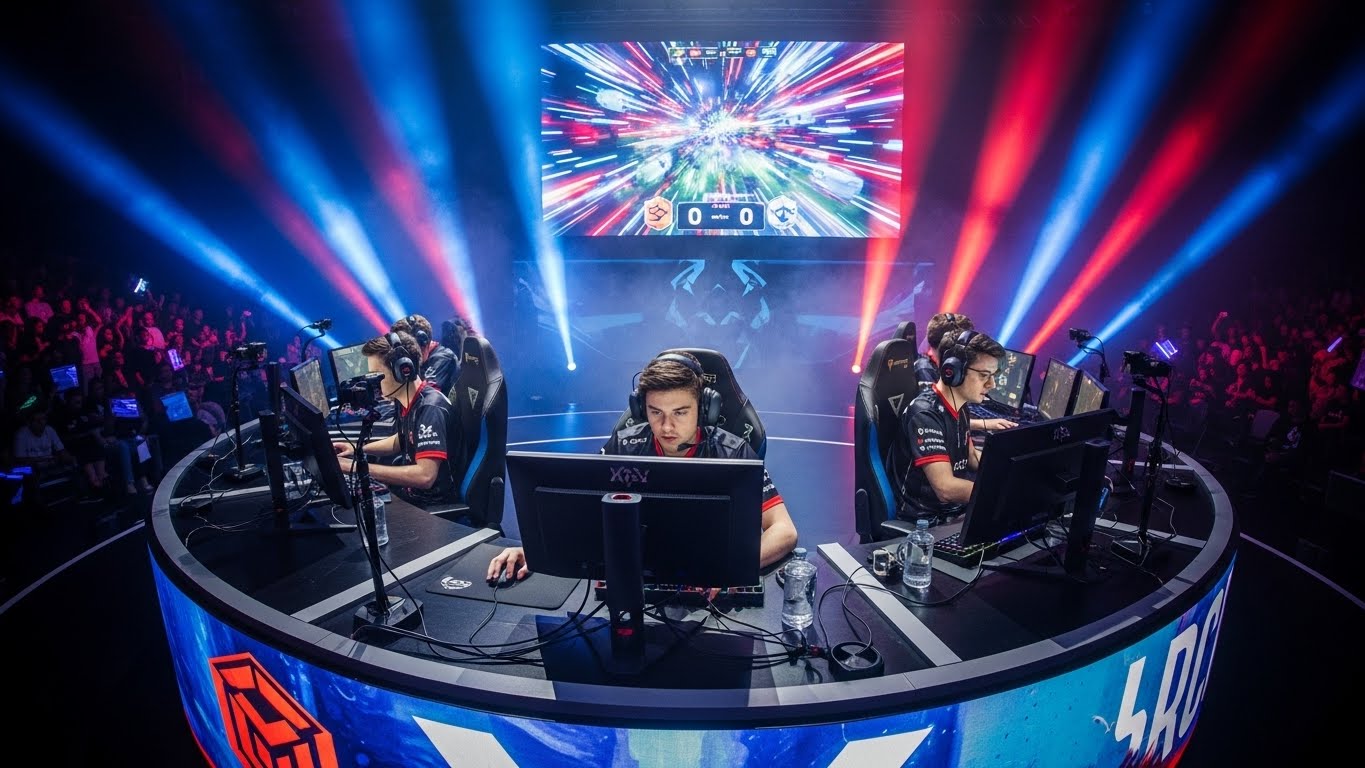
Professional esports athletes can earn substantial salaries through tournament winnings, sponsorships, and streaming. Some top players, such as Kenny “kennyS” Schrub from CS:GO or Lee “Faker” Sang-hyeok from League of Legends, have become household names. In addition to the players themselves, esports organizations employ a wide range of staff members including coaches, analysts, casters, managers, and marketing teams, creating jobs across various industries.
Streaming platforms like Twitch and YouTube have further propelled the esports industry. Gamers can stream their gameplay, interact with fans, and receive donations or sponsorships. Some esports players have turned their Twitch streams into full-time careers, amassing massive followings and creating profitable personal brands.
Esports and the Entertainment Industry: A Symbiotic Relationship
Esports has found a natural home in the broader entertainment industry. Partnerships between traditional media companies and esports organizations are becoming increasingly common. Major broadcasting networks like ESPN and TNT have started airing esports competitions, and gaming-focused platforms like Twitch have become key parts of the entertainment ecosystem.
Furthermore, esports has also formed partnerships with brands outside of the gaming industry. From beverage companies to tech giants, sponsorships are an integral part of the esports landscape. Brands recognize the immense value in tapping into esports’ highly engaged and diverse audience.
In addition to the media and sponsorships, esports is influencing the music and fashion industries. Esports events are often accompanied by live music performances, and players and influencers alike sport custom merchandise and brand collaborations. The aesthetic of esports is rapidly evolving, with stylish team jerseys, limited-edition gaming peripherals, and exclusive collaborations with high-end fashion brands becoming common.
The Social Impact of Esports: A Digital Community
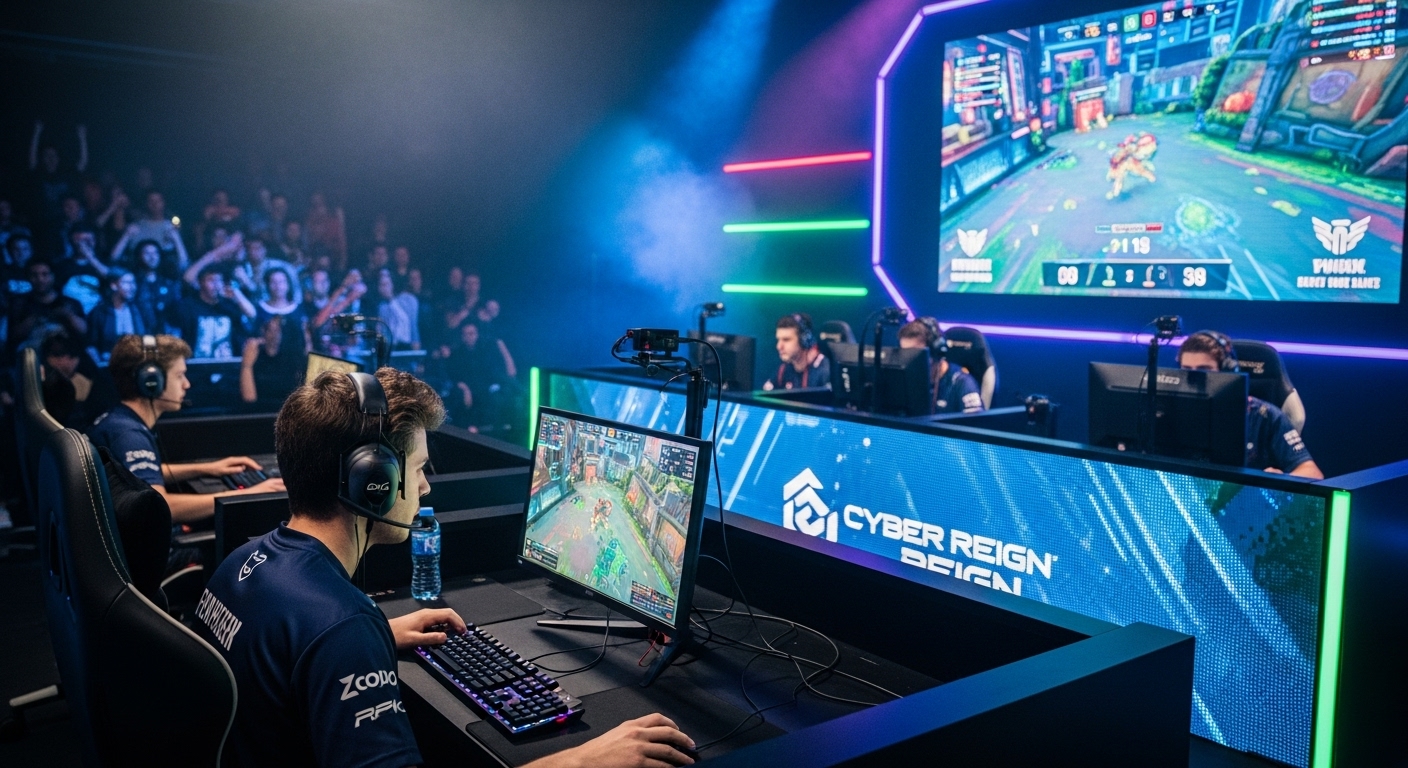
One of the most significant effects of esports is its ability to create communities. With millions of players and fans across the globe, esports has become an avenue for like-minded individuals to connect, collaborate, and form lasting friendships. Unlike traditional sports, where geographic location can be a barrier, esports offers a unique digital space where people from different countries, cultures, and backgrounds can compete together and share in their love for gaming.
Online gaming communities are thriving, with platforms like Discord, Reddit, and Twitter providing spaces for fans and players to interact, share content, and support their favorite teams or streamers. Esports has also fostered a new wave of online personalities—streamers and content creators—who bridge the gap between casual players and professional athletes. Streamers like Ninja and Pokimane have amassed millions of followers, creating their own digital empires by combining gaming with entertainment, humor, and lifestyle content.
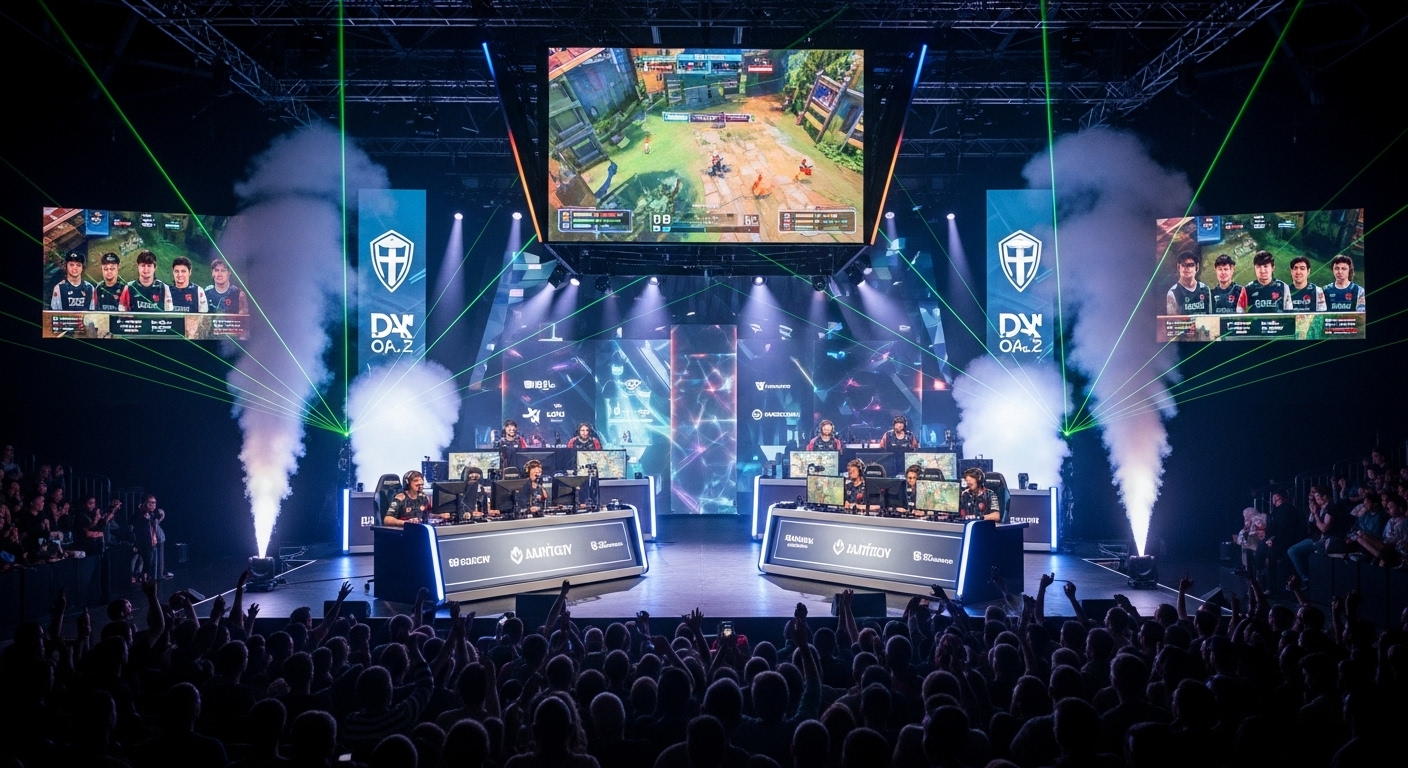
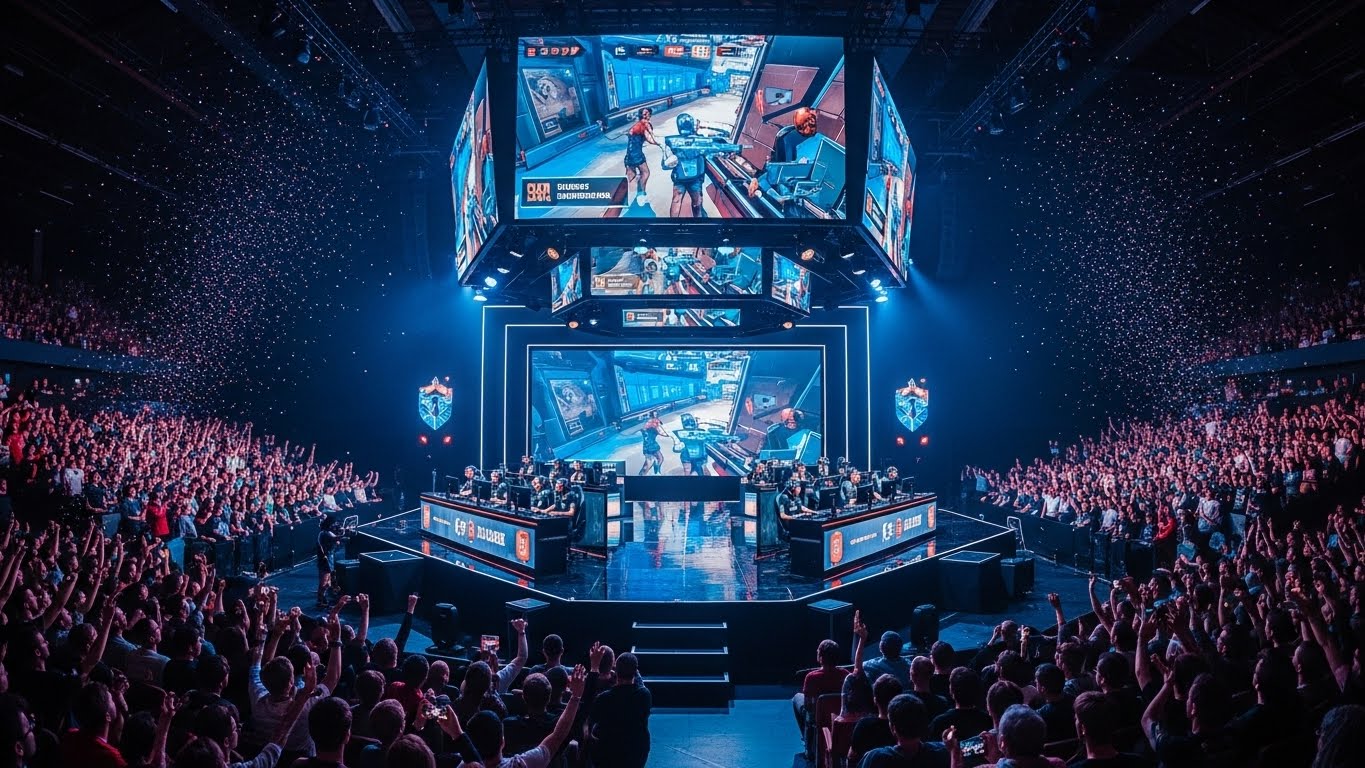
The impact of esports on social behavior extends beyond just digital interactions. Esports events, both online and offline, offer fans the chance to experience high-energy competitions and celebrate their favorite players. Major tournaments are often broadcasted live, drawing massive crowds to arenas, and the online viewership is even more staggering. Esports has essentially built a new kind of “sporting culture,” one that is powered by digital interaction and community involvement.
The Challenges Facing Esports
While the rise of esports is undoubtedly impressive, it hasn’t been without its challenges. The rapid expansion of the industry has led to questions regarding its sustainability, fairness, and overall health of players. Esports players are often required to practice for long hours, and the intense mental and physical demands can take a toll on their well-being.
There is also the challenge of maintaining competitive integrity. With the huge sums of money involved in major tournaments, esports has faced its share of scandals, including match-fixing and cheating. Game developers and tournament organizers have taken steps to combat these issues by implementing strict anti-cheating measures and increasing the transparency of their competitions.
Another challenge is the perception of esports as a “real” sport. While millions of fans around the world passionately support esports, there are still some skeptics who dismiss it as just “playing video games.” However, as esports continues to grow in scope and influence, it’s clear that competitive gaming is here to stay as a legitimate form of entertainment and sport.
The Future of Esports: Beyond the Horizon
Looking forward, the future of esports seems incredibly bright. As technology continues to evolve, esports will undoubtedly benefit from advancements in virtual reality (VR) and augmented reality (AR), providing new ways to experience competitive gaming. VR esports competitions could take player immersion to new heights, and AR could bring esports to life in entirely new ways for both players and spectators.
The potential for esports to become an Olympic event has also been a topic of discussion in recent years. With esports already being included as a medal event in the 2022 Asian Games, the path to its inclusion in the Olympic Games may not be as far-fetched as it once seemed.
Moreover, the increasing accessibility of high-speed internet and mobile devices means that esports will continue to expand to new regions and demographics. Emerging markets, particularly in Asia, Latin America, and Africa, are already seeing rapid growth in esports participation and viewership, making the global esports community more diverse than ever.
Conclusion
Esports has transformed from a niche pastime to a global cultural force. It has influenced the entertainment, technology, and social spheres, giving birth to new industries, career opportunities, and a vibrant, connected community. With its continued growth, esports will only become more integrated into our everyday lives, shaping the future of both digital entertainment and traditional sports.
Esports is no longer just about playing video games—it’s about competition, community, and creating a new way of experiencing sports and entertainment in the 21st century. Whether you’re a hardcore gamer, a casual viewer, or someone simply curious about this dynamic industry, there’s no denying that esports is here to stay.