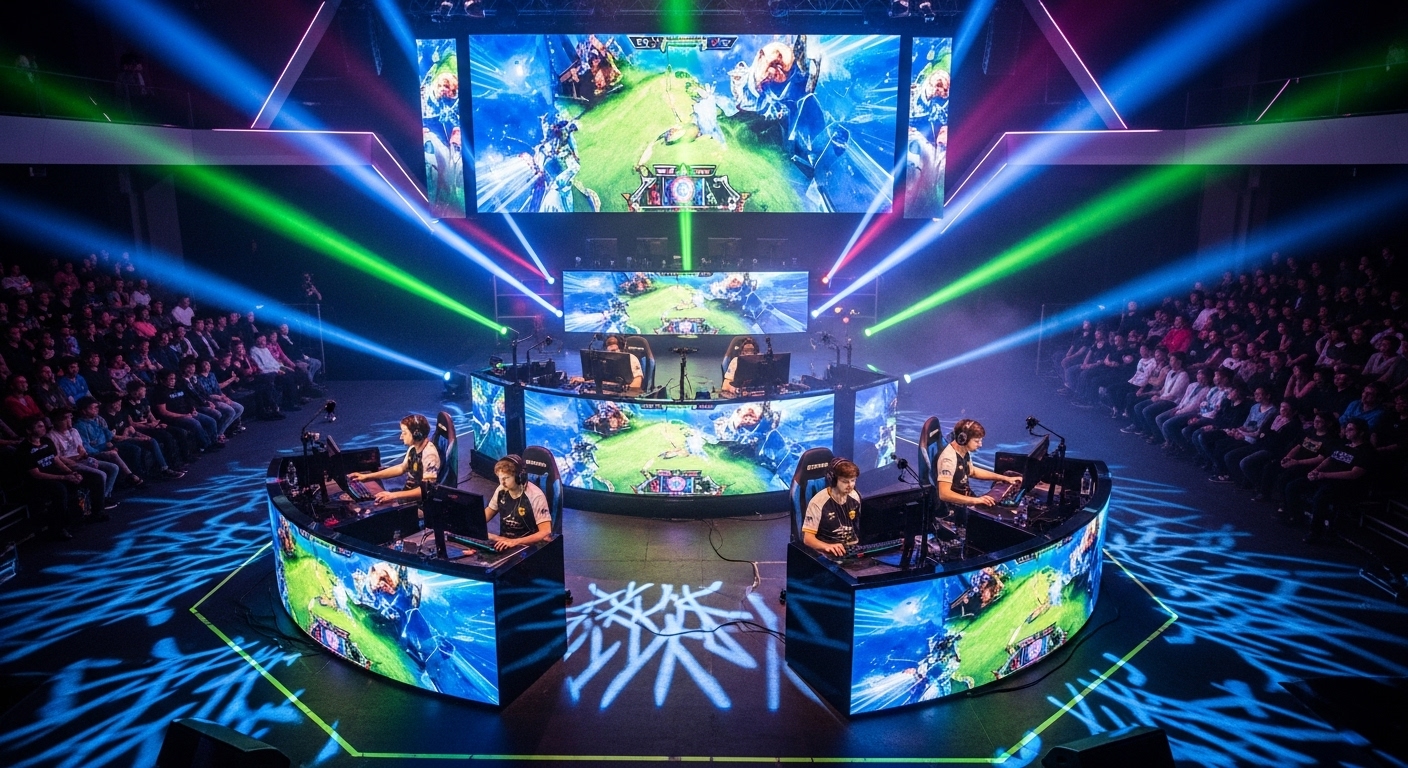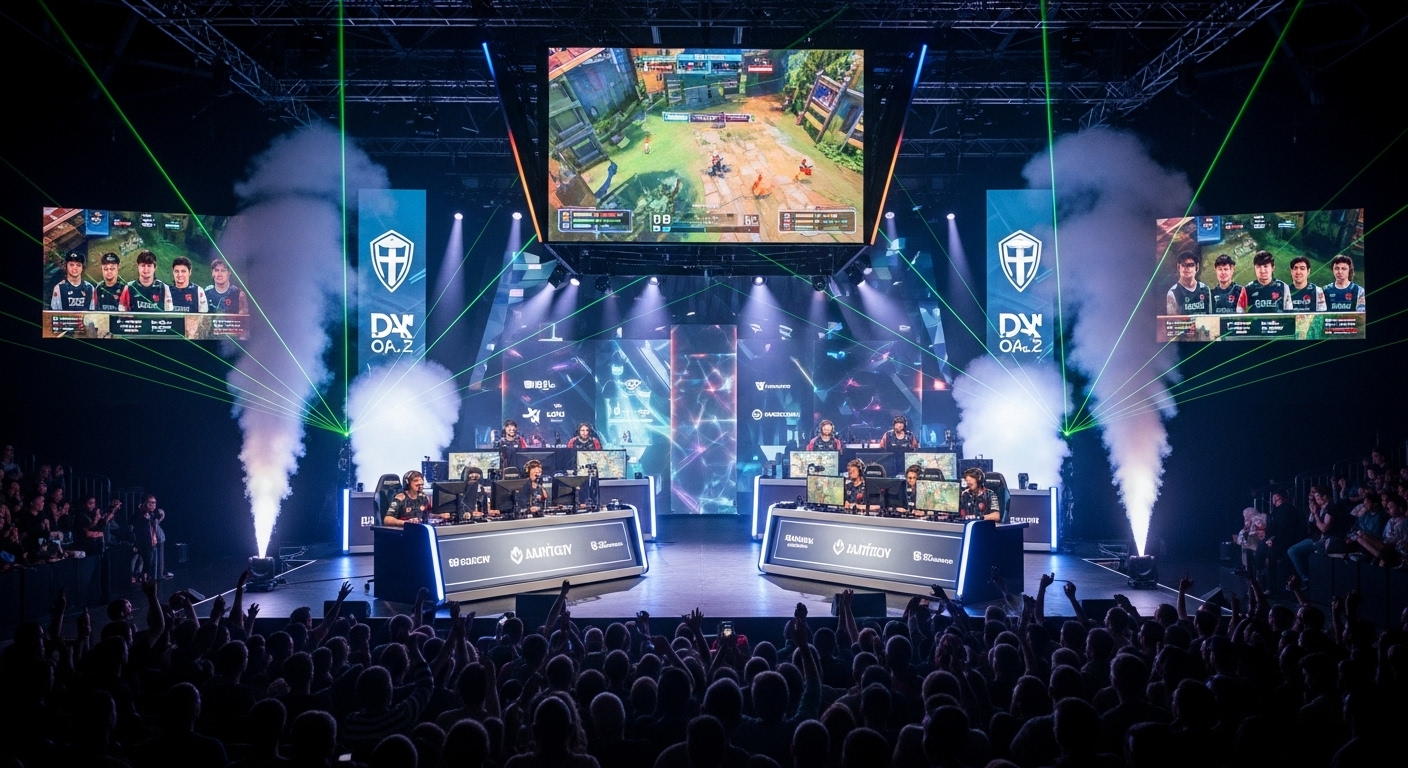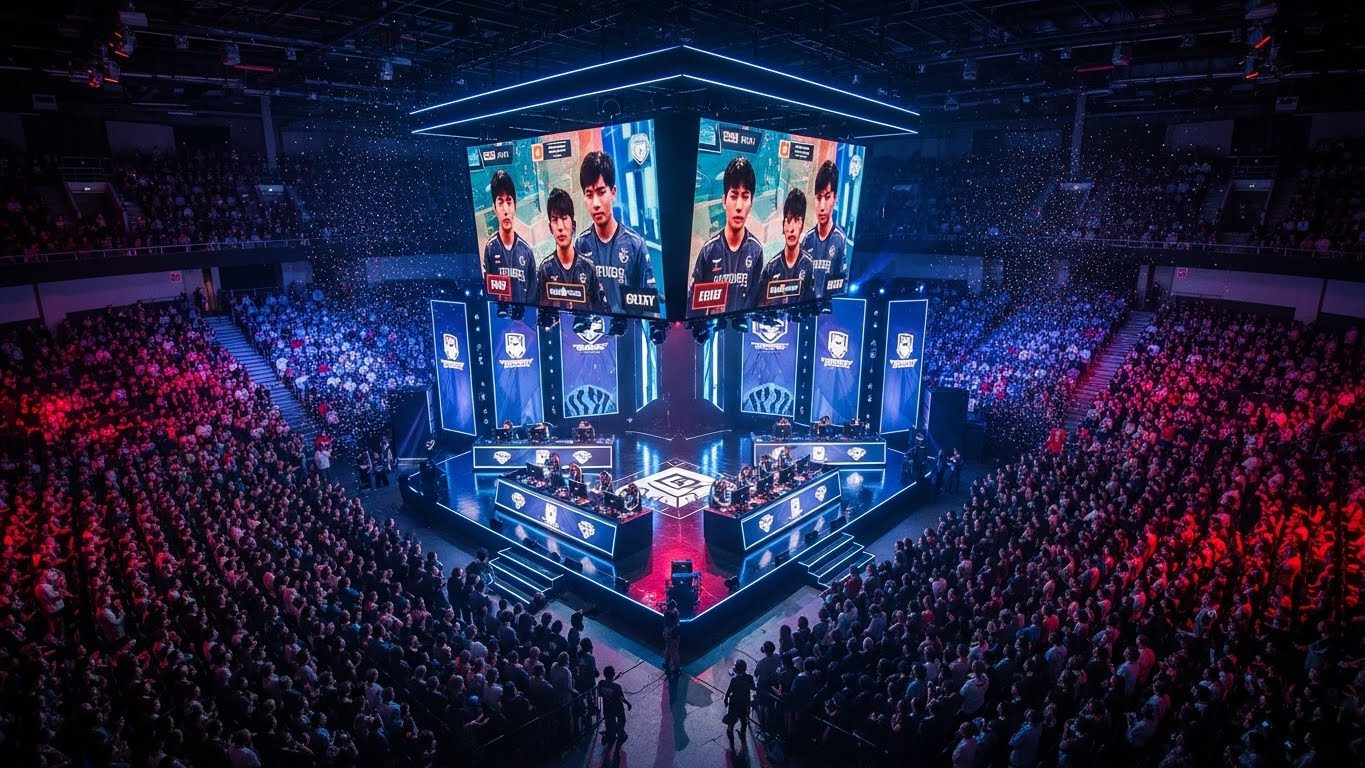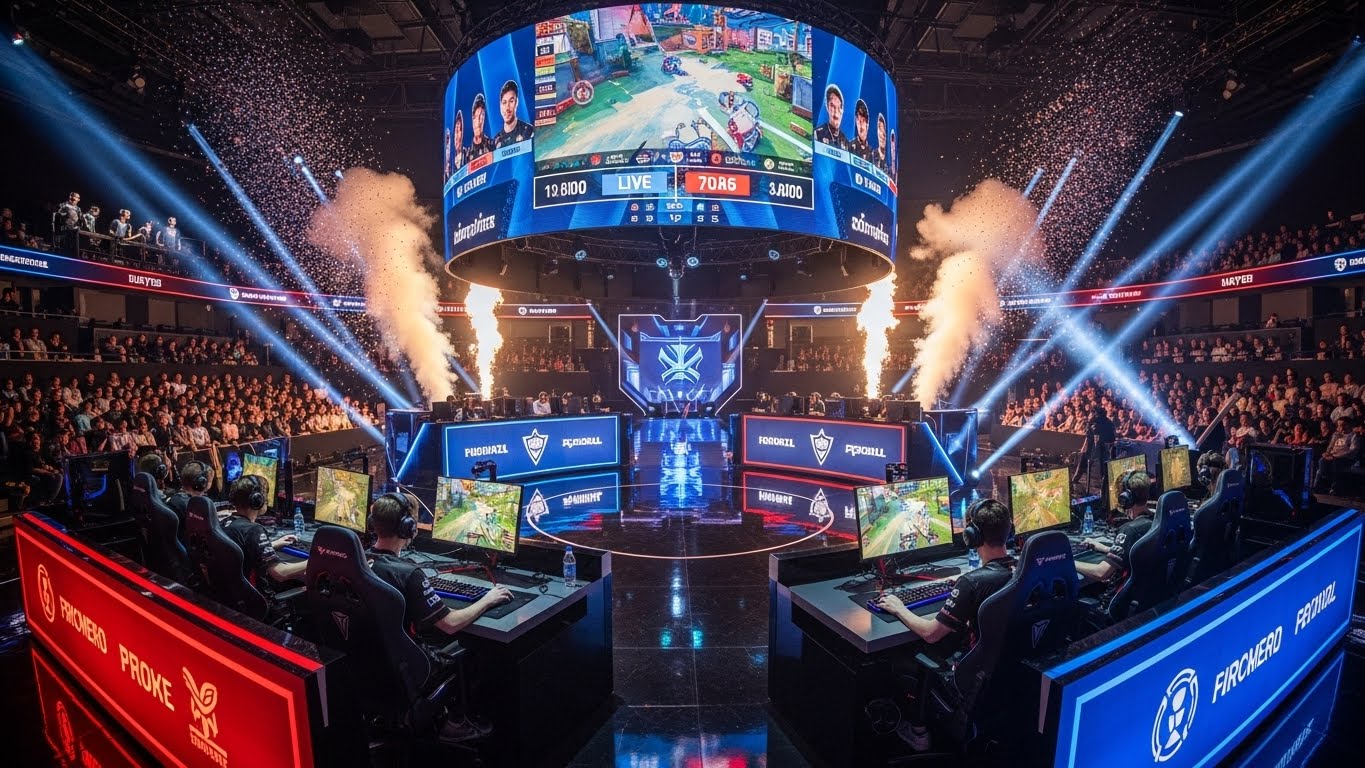
In the last decade, a digital revolution has reshaped the way people perceive sports, competition, and entertainment. This revolution is none other than esports — competitive video gaming that has transcended its niche hobby roots to become a global phenomenon. What once was seen as casual gaming in bedrooms and internet cafes is now a multi-billion-dollar industry, complete with professional teams, leagues, and tournaments that rival traditional sports in scale and prestige. But what exactly drives the meteoric rise of esports, and why has it captured the imagination of millions worldwide?
The Genesis of Esports
Esports, or electronic sports, emerged as a natural extension of the video gaming culture that grew in the 1970s and 1980s. Early competitions were simple, local events where gamers would compete in arcade games or early PC titles. The term “esports” itself began gaining traction in the late 1990s with the rise of games like StarCraft in South Korea and Quake in the United States. South Korea, in particular, became the epicenter of competitive gaming, where professional players were treated as celebrities, and esports tournaments were broadcasted on television. This professionalization laid the foundation for what would eventually evolve into a global industry.
The Explosion of Competitive Gaming
The 2000s saw the expansion of esports beyond local competitions into large-scale international tournaments. Games like Counter-Strike, Dota 2, League of Legends, and Fortnite became household names among competitive gaming enthusiasts. These games combined strategy, teamwork, and mechanical skill, making them ideal for competitive play. The rise of streaming platforms such as Twitch further accelerated the popularity of esports, providing a direct way for fans to watch their favorite players and teams live. What was once an underground hobby became a mainstream spectacle, attracting millions of viewers and sponsors alike.
Why Esports Appeals to Millions
Esports resonates with people for several reasons, and understanding these reasons can illuminate why it has grown so rapidly. One of the most significant factors is accessibility. Unlike traditional sports, esports can be played anywhere with a computer or console and an internet connection. This inclusivity allows people from diverse backgrounds to participate and even achieve fame without geographic constraints.
Another key factor is community. Esports fosters a sense of belonging among fans and players. Online communities, forums, and streaming chats allow individuals to connect with others who share their interests, building friendships and a sense of camaraderie. The social aspect of esports cannot be overstated; it is as much about human connection as it is about gaming skill.
The entertainment factor is equally compelling. Professional players execute strategies and maneuvers that are both impressive and thrilling to watch. Spectators are drawn to the drama, skill, and unpredictability inherent in competitive play. Esports tournaments are designed to maximize excitement, with live commentary, high-stakes matches, and dramatic narratives that rival traditional sports.
The Economic Impact of Esports
The financial dimension of esports is staggering. Industry analysts estimate that esports generates billions of dollars annually, with revenue streams coming from sponsorships, advertising, merchandise, ticket sales, and media rights. Major tournaments offer prize pools in the millions, attracting elite talent from around the globe. Corporate sponsors, including tech companies, beverage brands, and fashion labels, invest heavily in esports due to its highly engaged and youthful audience.
Moreover, esports has created new career opportunities beyond playing professionally. Careers in coaching, event management, content creation, marketing, and broadcasting have emerged to support this rapidly growing ecosystem. The economic impact of esports is not limited to players and companies; it has broader implications for job creation, education, and technological innovation.
Training and Skill Development in Esports
Professional esports players dedicate countless hours to training and perfecting their skills. Competitive gaming requires a combination of reflexes, strategic thinking, teamwork, and adaptability. Unlike casual gaming, professional players must analyze game mechanics, study opponents, and optimize their performance continuously. Training regimes often resemble those of traditional athletes, including physical exercise, mental conditioning, and team coordination practices.
Esports also highlights the importance of cognitive skills such as problem-solving, multitasking, and quick decision-making. Young players can develop abilities that are transferable to other domains, including critical thinking, communication, and leadership. The discipline and commitment required in esports underscore that competitive gaming is more than just entertainment; it is a serious pursuit that demands focus and expertise.
Global Reach and Cultural Influence
Esports is truly a global phenomenon. While South Korea and China were early pioneers, countries across Europe, North America, and South America have embraced competitive gaming. Each region contributes its unique style, approach, and gaming culture, enriching the global esports landscape. International tournaments bring together players from diverse backgrounds, fostering cross-cultural interaction and appreciation.
The influence of esports extends beyond gaming. It has impacted fashion, music, and popular culture. Professional players are celebrities who endorse products, appear in mainstream media, and influence youth culture. Esports has also inspired educational programs, with schools and universities offering scholarships and courses related to competitive gaming and game design. The cultural reach of esports demonstrates its significance beyond the screen.
Challenges Facing the Esports Industry
Despite its tremendous growth, esports faces several challenges that must be addressed for long-term sustainability. One major issue is regulation. The industry is relatively young, and standard rules for contracts, player welfare, and tournament governance are still evolving. Without proper oversight, players can be exploited, and competitive integrity can be compromised.
Another challenge is balancing commercialization with authenticity. As more sponsors and corporations enter the scene, there is a risk of losing the grassroots appeal that originally attracted fans. Maintaining the excitement, community engagement, and fairness that define esports is essential for its continued success.
Mental and physical health is also a concern. Professional gamers face long hours of practice, travel, and intense pressure, which can lead to burnout, stress, and physical ailments. The industry is beginning to recognize the importance of player well-being, but more comprehensive support systems are needed.
The Future of Esports
The future of esports looks promising and multifaceted. Technological advancements, including virtual reality, augmented reality, and artificial intelligence, are poised to transform how games are played and experienced. VR esports could offer fully immersive experiences, while AI could enhance training and strategy analysis.
Esports is also likely to become more integrated with mainstream media and entertainment. Collaborative events with music, movies, and other forms of digital content could broaden its appeal further. The potential for esports to intersect with education, fitness, and social networking presents exciting possibilities that go beyond traditional competition.
Moreover, the growing legitimacy of esports may eventually lead to inclusion in global sporting events. Discussions have already begun about esports as part of the Olympic movement, signaling recognition of its skill, discipline, and global impact. As esports continues to evolve, it will reshape perceptions of what constitutes sport, entertainment, and digital culture.
Conclusion
Esports has come a long way from its humble beginnings as a niche pastime. It is now a global industry that combines competition, entertainment, community, and economic opportunity. Its appeal lies in accessibility, excitement, and the sense of belonging it fosters among fans and players. Despite challenges related to regulation, commercialization, and player welfare, the future of esports is bright, with technology and cultural influence paving the way for further growth. As we move deeper into the digital age, esports is not just a form of entertainment—it is a reflection of how gaming, culture, and human connection can converge to create something extraordinary.
In the world of esports, the game is never truly over. Every tournament, every match, and every new player adds to the ongoing story of a rapidly evolving universe that continues to captivate millions. Esports is not just a trend; it is a global movement reshaping how we define competition, community, and the thrill of victory.