Introduction
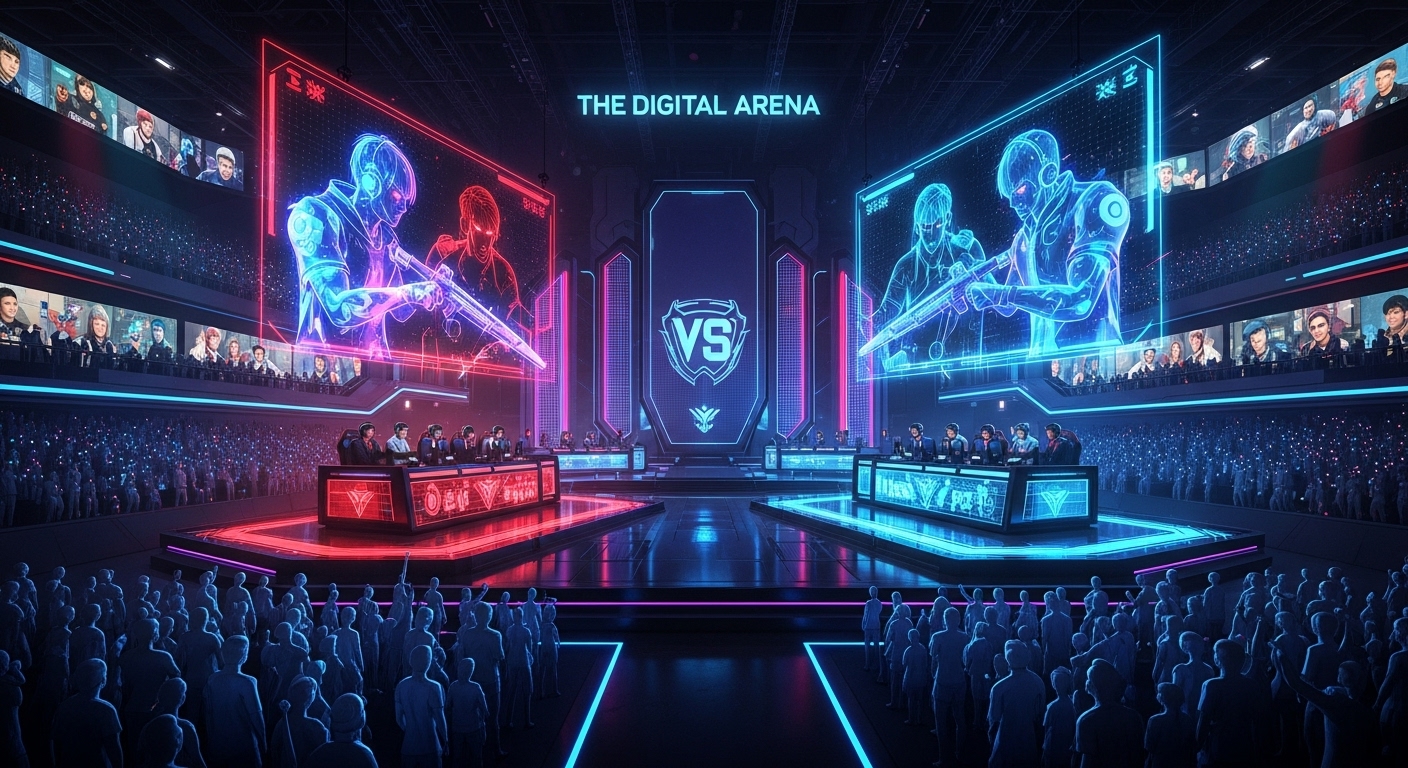
Esports has rapidly evolved from a niche hobby enjoyed by small groups of passionate gamers into a global cultural phenomenon. What once seemed like a distant dream for enthusiasts is now a booming industry with professional players, massive tournaments, celebrity-level sponsorships, and millions of dedicated fans watching from every corner of the world. This digital arena is reshaping entertainment, transforming careers, and creating an entirely new landscape of competitive sports. In this blog, we will explore the rise of esports, the factors behind its explosive growth, its influence on society, the opportunities it creates, and the challenges it faces as it moves toward an even more promising future.
The Evolution of Esports: From Arcades to Arenas
The story of esports begins decades ago in the brightly lit arcades of the 1970s and 1980s. Games like Space Invaders and Pac-Man laid the foundation for competitive gaming by attracting players eager to beat high scores. But the idea of formal tournaments was still in its early stages. Competitive gaming truly began to take shape in the 1990s when computer and console technology advanced, allowing for more complex and strategic gameplay. Titles such as Street Fighter, Doom, and StarCraft became catalysts for organized competitions, bringing players together in basements, community centers, and early online platforms.
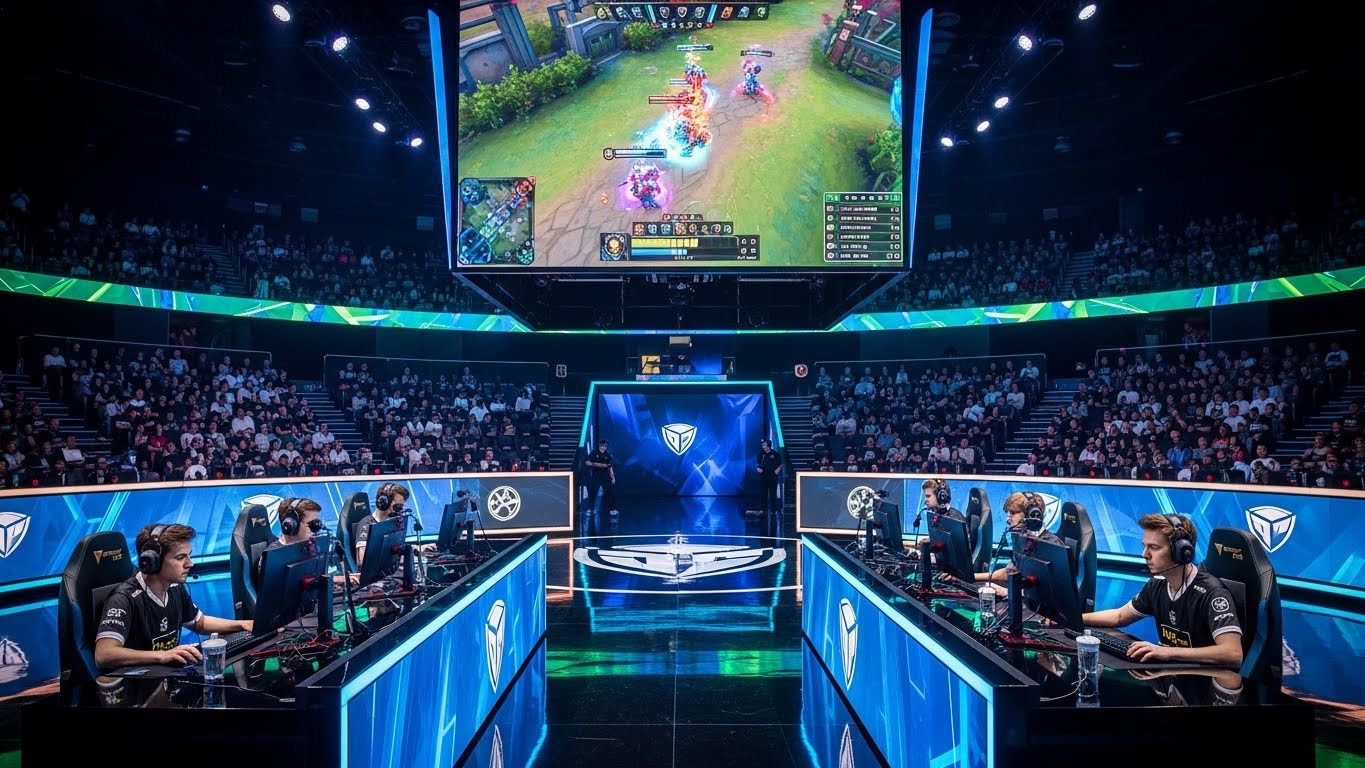
By the early 2000s, professional gaming began to take root. High-speed internet allowed gamers from around the world to compete in real time. Leagues and organizations started forming, prize pools began to grow, and streaming platforms emerged, giving fans the ability to watch matches live. Today, esports has matured into a multibillion-dollar industry, with massive arenas filled with cheering fans, global championships, and millions of online viewers tuning in to witness the world’s best players compete.
Why Esports Captivates Millions
Esports is more than just people playing video games; it is a sophisticated ecosystem driven by talent, strategy, storytelling, and community. Several key factors have contributed to its extraordinary rise.
Accessibility
One of the greatest strengths of esports is accessibility. Unlike traditional sports, which may require expensive equipment or physical capabilities, esports invites anyone with a computer, console, or mobile device to participate. This inclusivity has opened doors for players of all backgrounds and skill levels.
Online Community
Gaming has always had a strong sense of community, but esports amplifies it. Fans connect through forums, social media, and live chats during tournaments. They follow their favorite players, discuss strategies, and form friendships across borders. This global interaction is one of the driving forces behind esports’ popularity.
Engaging Gameplay and Strategy
Many esports titles involve deep strategic elements, mechanical skill, split-second decision-making, and teamwork. Whether it is the fast-paced action of first-person shooters or the intricate strategies found in multiplayer online battle arenas, esports mirrors the complexity and excitement of traditional sports.
High Production Value
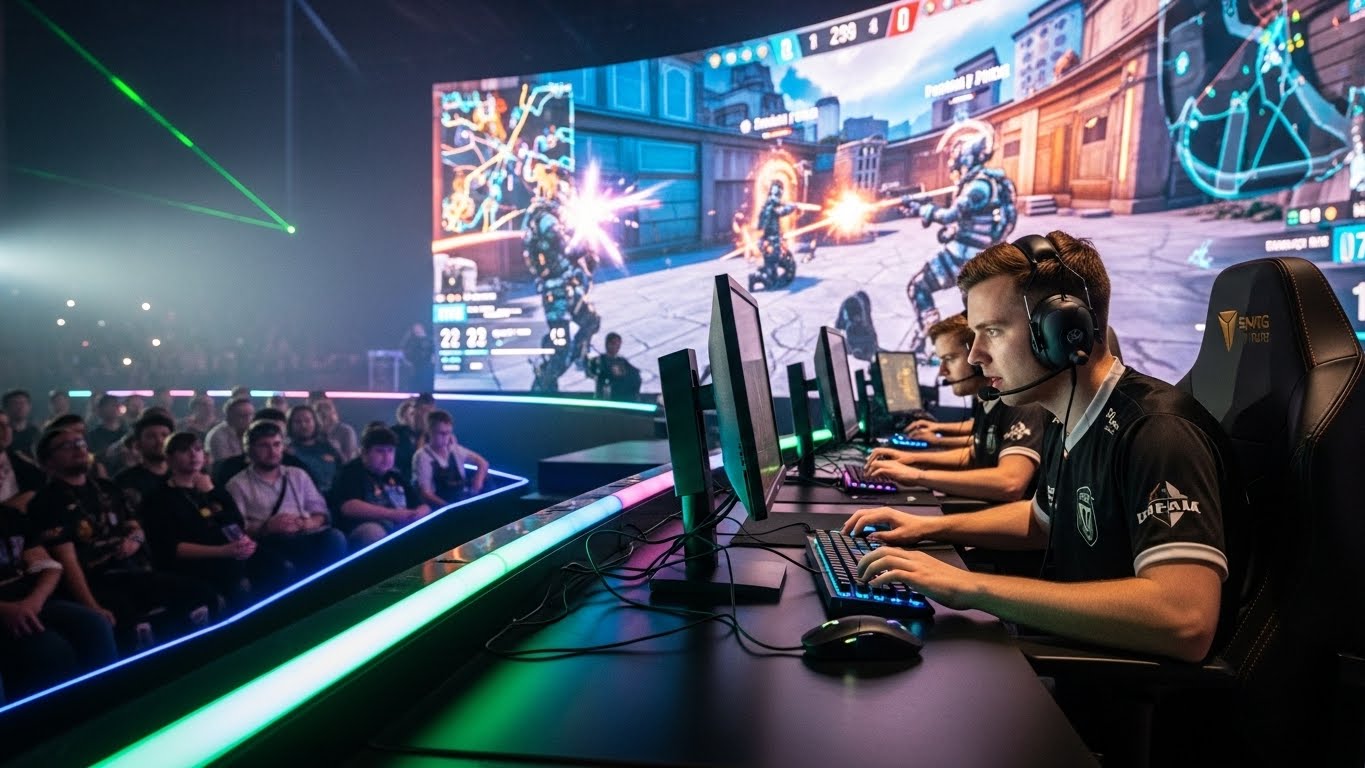
Modern esports events are produced with the same level of sophistication as major sporting events. Professional commentary, instant replays, lights, crowds, and dramatic storylines turn each match into an entertainment spectacle.
Popular Genres and Titles in Esports
Esports is diverse, offering fans a variety of genres to enjoy. Several games dominate the competitive scene, each offering its own style of play and appeal.
Multiplayer Online Battle Arenas
These games require strategy, teamwork, and fast reflexes. Players select unique characters with different abilities and battle to control objectives. This category has some of the most-watched events in all of esports.
First-Person Shooters
Reaction time, precision, and team coordination define these games. They are fast-paced and thrilling, making them fan favorites.
Sports Simulations
Video game adaptations of real-world sports attract both gamers and sports fans. Professional athletes and celebrities often participate in tournaments for these titles.
Battle Royale Games
These games thrust players into massive landscapes where only one can survive. The unpredictable nature of gameplay makes them exciting to watch.
The Esports Athlete: More Than Just a Gamer
The life of a professional esports player is often misunderstood. Many assume their success comes from simply playing video games all day. In reality, esports athletes endure demanding training regimens, strict schedules, and constant pressure to perform at the highest level.
Training and Discipline
Pro players train for several hours daily, honing their reflexes, perfecting strategies, and studying their opponents. They often work closely with coaches, analysts, and team managers to ensure they remain competitive and healthy.
Team Structure
Most esports teams function similarly to traditional sports teams. They have designated roles, leadership structures, support staff, and corporate sponsors. Players must learn not only how to play well individually but also how to communicate effectively and work as a cohesive unit.
Mental and Physical Wellness
Esports athletes face mental demands similar to those of traditional athletes, including managing stress, staying focused, and coping with pressure. Many organizations now employ psychologists, nutritionists, and fitness trainers to ensure players maintain their well-being.
The Economic Impact of Esports
Esports has evolved into a powerful economic force. The financial ecosystem stretches beyond players and tournaments, influencing technology companies, advertisers, apparel brands, and media organizations.
Sponsorships and Advertising
Brands now recognize the immense value of esports audiences, many of whom are young, tech-savvy, and highly engaged. Sponsorship deals, product partnerships, and in-game advertising contribute significantly to the industry’s growth.
Streaming and Content Creation
Platforms dedicated to game streaming have changed the way fans interact with esports. Many players build personal brands through streaming, earning revenue from subscriptions, donations, and sponsorships.
Merchandising and Team Branding
Fans show support for their favorite teams through merchandise such as jerseys, accessories, and collectibles. This helps teams generate additional revenue and expand their influence.
Esports in Education and Career Development
What was once considered a hobby is now a viable career path. Esports has made its way into schools and universities, offering students opportunities to explore competitive gaming while pursuing education.
Scholarships and Academic Programs
Many institutions offer esports scholarships, attracting talented players worldwide. Academic programs focused on game design, esports management, broadcasting, and digital marketing provide students with specialized career paths.
Career Opportunities Beyond Playing
Esports creates roles for coaches, commentators, event organizers, content creators, analysts, marketers, and more. Even those who do not compete professionally can build meaningful careers in the industry.
Esports as a Cultural Movement
Esports has crossed into mainstream culture, influencing music, fashion, entertainment, and social media. Pop stars collaborate with gaming companies, athletes invest in esports teams, and major events are broadcast to millions.
Interactivity and Fan Engagement
Unlike traditional sports, esports fans can interact instantly with players and personalities. This two-way connection creates a deeper sense of loyalty and excitement.
Global Influence
Esports transcends borders, languages, and cultural differences. International tournaments bring diverse audiences together, promoting global unity and shared passion.
Challenges Facing the Esports Industry
Despite its rapid growth, esports faces several significant challenges that must be addressed for long-term sustainability.
Player Burnout
The pressure to constantly perform at high levels can lead to fatigue and mental health issues. Teams and organizations must prioritize player well-being.
Regulation and Governance
Esports lacks a unified governing body. Different games have different rules, making regulation difficult. Developing a standardized system will be important for the industry’s credibility.
Sustainability and Financial Management
While prize pools and sponsorships are large, not all teams are profitable. Balancing investment and revenue is an ongoing challenge.
The Future of Esports: A Digital Renaissance
Esports shows no signs of slowing down. As technology advances, virtual reality, augmented reality, and artificial intelligence may revolutionize competitive gaming. The possibility of hybrid events combining physical and digital experiences could change how fans interact with esports forever. With growing support from investors, educators, and governments, the future is bright for the digital arena.
Conclusion
Esports has transformed into a powerful global movement. It combines competition, entertainment, technology, and community in a way no other sport can. From passionate players to professional athletes, from small gatherings to stadium-filling events, the rise of esports marks a new era in digital culture. It is not just about playing games; it is about innovation, connection, and the pursuit of excellence. As esports continues to evolve, one thing is clear: the digital arena is here to stay, and its influence will shape the future of entertainment for generations to come.