Introduction
In recent years, esports has undergone a remarkable transformation. What started as casual competitions between friends in small gaming rooms has grown into a global industry that spans continents, connects millions of people, and challenges traditional notions of competitive sports. The rise of esports is not just about the games themselves, but about the people who play them, the audiences that watch them, and the entire ecosystem that has evolved around this digital sport. Esports is now considered a legitimate form of entertainment, with its own professional athletes, tournaments, media coverage, and even sponsorships, all contributing to its booming success. In this blog post, we’ll take a deep dive into the world of esports, exploring its history, growth, cultural significance, and the factors that have propelled it into the mainstream.
The Birth of Esports
Esports, short for electronic sports, traces its origins to the early days of gaming in the 1970s and 1980s. The concept of competitive gaming emerged when players began to challenge each other for high scores in arcade games like Pong, Space Invaders, and Pac-Man. These early games sparked a sense of competition and camaraderie among players, setting the stage for what would later become a global phenomenon.
However, it wasn’t until the 1990s that esports as we know it today began to take shape. The growth of the internet and the introduction of multiplayer online games created a new avenue for competitive play. Titles like Quake, StarCraft, and Warcraft established the foundation for the first major esports tournaments. The early tournaments were small, local affairs, but they were enough to demonstrate that there was a demand for organized, competitive gaming events.
The real breakthrough for esports came with the establishment of the World Cyber Games in 2000 and the Electronic Sports World Cup in 2003, both of which helped solidify competitive gaming as a legitimate industry. These events were among the first to attract international attention, featuring players from various countries battling for recognition and significant prize money.
The Growth of Esports: From Niche to Mainstream
The next decade saw rapid growth for esports. As internet speeds improved and gaming technology advanced, the scale of esports events grew exponentially. By the late 2000s, esports had established itself as a professional career path for gamers, complete with sponsorships, prize money, and even dedicated teams. The introduction of streaming platforms such as Twitch played a crucial role in this growth, allowing gamers to broadcast their gameplay to a global audience. Suddenly, esports wasn’t just about playing—it was about viewing, engaging, and building a community of fans who supported their favorite teams and players.
The rise of multiplayer games like League of Legends, Dota 2, Counter-Strike: Global Offensive, and Overwatch added further fuel to the esports explosion. These games offered rich, competitive experiences that were easy to follow for casual viewers while providing enough depth for hardcore players. The accessibility of online play, combined with the spectating experience, led to an explosion of esports tournaments with massive viewership numbers.
By 2013, League of Legends had reached an audience of over 30 million viewers for its World Championship, and the game’s prize pool reached $2.5 million, solidifying its place as one of the most successful esports titles in history. The industry also saw the rise of esports organizations such as Cloud9, Team Liquid, and Fnatic, which signed players, built teams, and managed sponsorship deals, similar to traditional sports teams.
Esports Players: The New Athletes
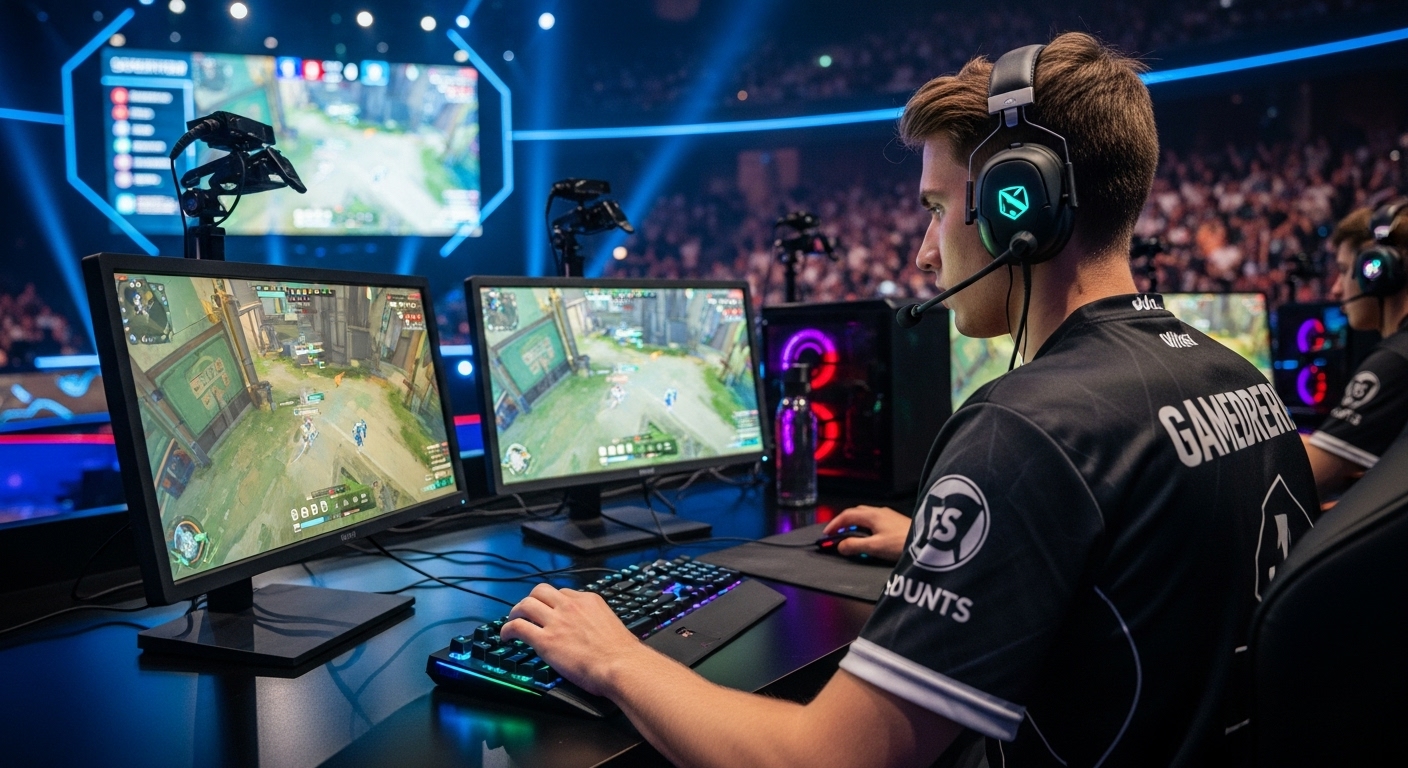
Professional esports players are often compared to traditional athletes, and with good reason. Just like athletes in physical sports, professional gamers dedicate countless hours to honing their skills, studying strategies, and working with teammates to improve their performance. These players are often required to maintain peak mental focus, excellent reflexes, and exceptional teamwork—all qualities that are essential for competitive success.
The difference, however, lies in the nature of the competition. While traditional sports require physical prowess, esports athletes rely on quick reflexes, strategic thinking, and mental agility to win. As a result, esports requires a different kind of training, one that includes hours of practice in games, team-building exercises, and extensive study of the game’s mechanics and meta-game strategies.
Esports players also face unique challenges. The pressures of constant competition can lead to mental and emotional strain, and the highly competitive nature of the industry means that a player’s career lifespan is often shorter than that of traditional athletes. However, many esports organizations are beginning to recognize the importance of player wellness, incorporating mental health professionals, fitness routines, and healthy lifestyle practices into their teams’ daily schedules to mitigate these risks.
The Esports Audience: Spectatorship and Fan Culture
One of the defining features of esports is its large and dedicated audience. According to recent reports, the global esports audience is expected to surpass 500 million by 2023. This audience is not just limited to players but includes millions of fans who tune in to watch live broadcasts of esports events, follow professional players, and engage in online communities. Esports fans have created a unique culture that blends gaming, sports fandom, and social media interaction.
Platforms like Twitch, YouTube Gaming, and Facebook Gaming have turned esports into a spectator sport, where fans can watch live streams of games, interact with players, and support their favorite teams. These platforms allow fans to connect with one another, share their passion for gaming, and participate in the experience through live chat, donations, and fan-driven content.
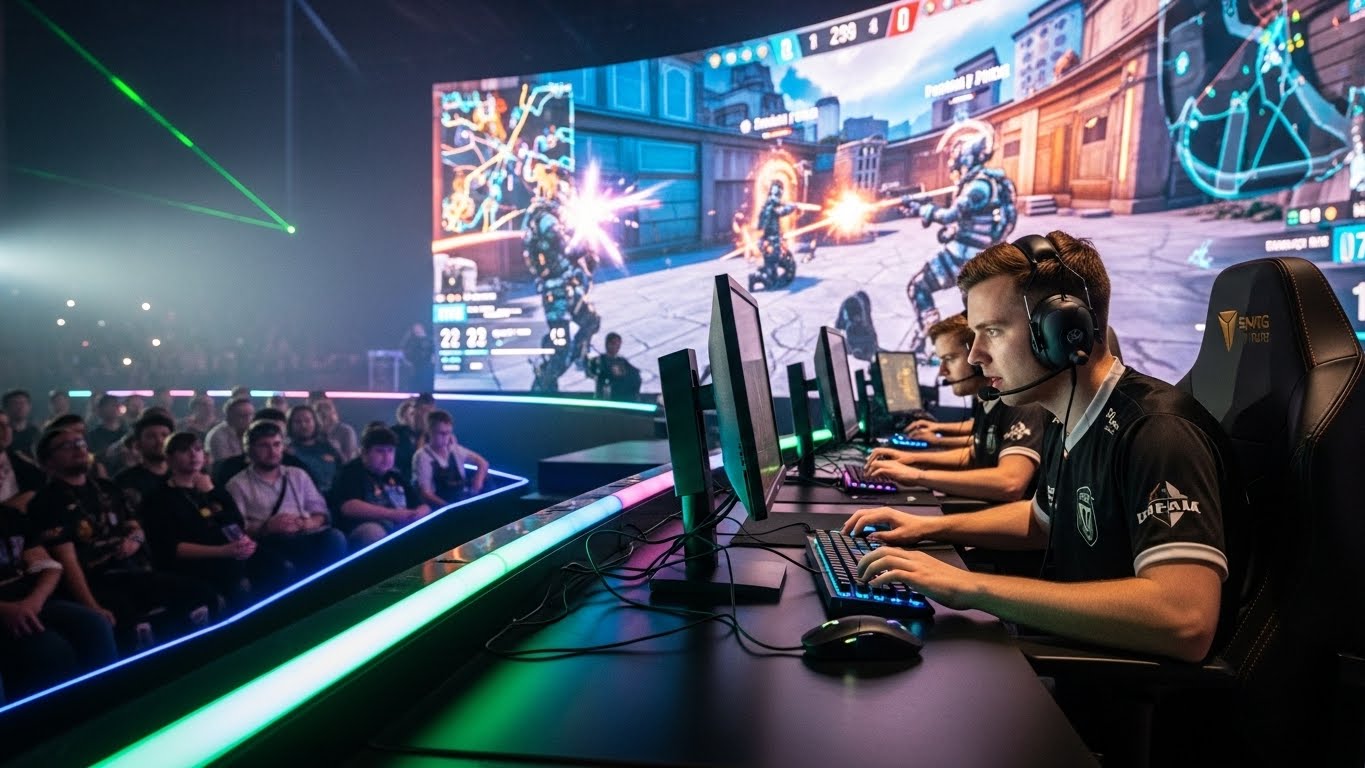
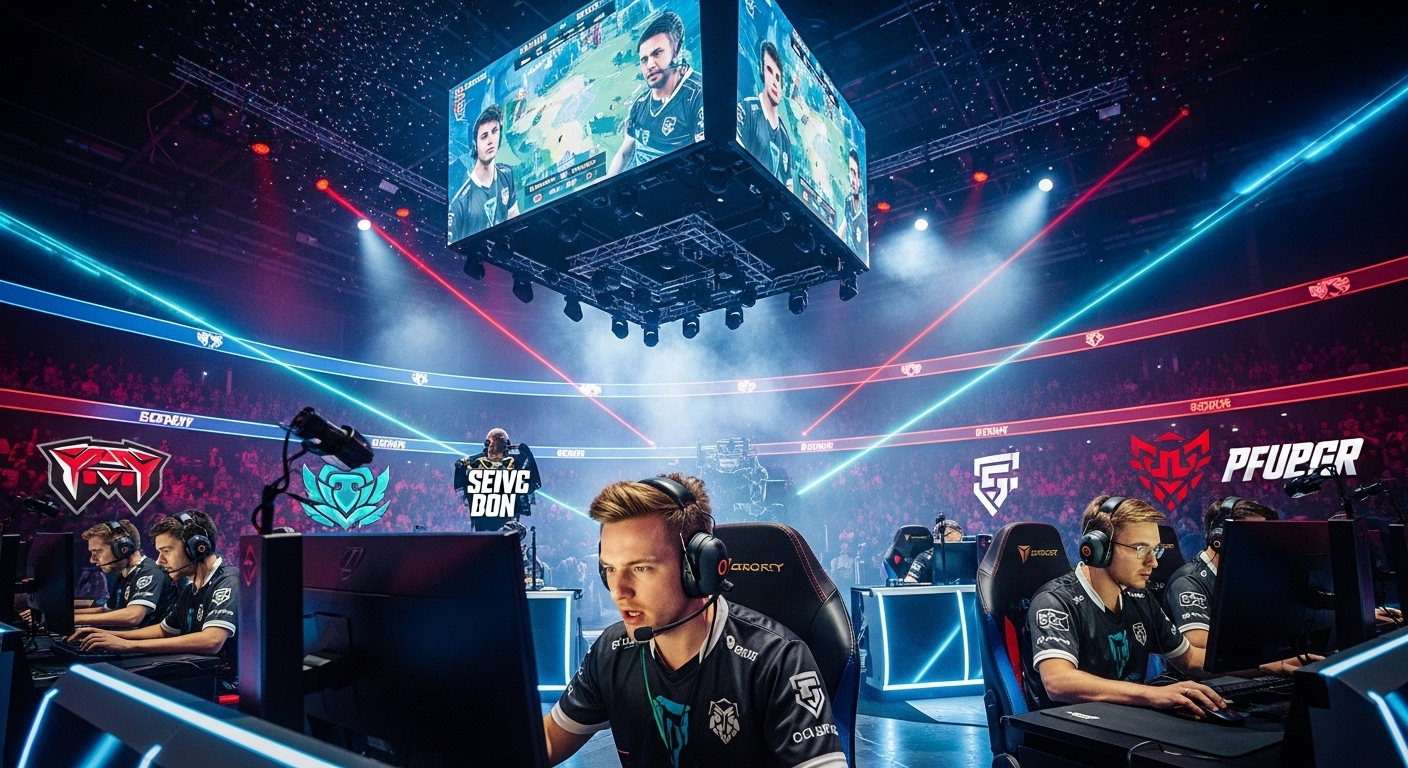
Esports events have also become massive in-person spectacles. The League of Legends World Championship, The International (Dota 2’s annual tournament), and Overwatch League Finals regularly fill stadiums with tens of thousands of fans, and millions more watch from home. These events offer a unique blend of entertainment, competition, and community, bringing together fans from across the globe to celebrate their shared love for gaming.
The Business of Esports: Sponsorships, Advertising, and Monetization
Esports is not just a form of entertainment—it’s a thriving business. The esports industry generates billions of dollars annually through a combination of sponsorships, media rights, advertising, ticket sales, and merchandise. Sponsorships from major brands like Intel, Coca-Cola, Nike, and BMW have helped elevate esports to a level of recognition that rivals traditional sports leagues.
Streaming platforms, which host live tournaments and broadcasts, also generate significant revenue through advertising, subscription models, and partnerships. Esports tournaments are broadcast to millions of viewers across multiple platforms, and the associated advertising revenue continues to grow as the audience expands. Additionally, esports organizations often sign lucrative sponsorship deals, which further boost their revenue streams.
The prize pools for major esports tournaments are another indication of the industry’s financial potential. The International Dota 2 tournament consistently offers the largest prize pool in esports, reaching over $40 million in recent years. Prize money in other esports tournaments has also grown significantly, with the top players earning millions of dollars from tournament wins, sponsorships, and streaming deals.
Esports and Traditional Sports: A Growing Partnership
One of the most interesting developments in esports is the increasing collaboration with traditional sports organizations. Many professional sports teams have recognized the value of esports, with basketball teams like NBA’s Golden State Warriors and football clubs such as Paris Saint-Germain entering the esports arena. These partnerships often involve the creation of esports divisions within the teams, where they manage competitive gaming players, sign sponsorships, and even integrate esports into the team’s fanbase.
This convergence between esports and traditional sports has helped solidify esports as a legitimate form of competition. It has also introduced esports to new audiences who may not have previously been exposed to competitive gaming. As esports continues to grow, it is likely that this partnership will strengthen, with more traditional sports teams entering the esports space.
The Future of Esports: Growth, Innovation, and Challenges
Looking ahead, the future of esports is incredibly bright. The global esports market is expected to continue its rapid expansion, fueled by advancements in gaming technology, increased viewership, and greater investment from corporate sponsors. New gaming platforms, including virtual reality (VR) and augmented reality (AR), are also poised to revolutionize the esports experience by providing more immersive and interactive environments for both players and spectators.
However, the esports industry also faces some challenges. As the industry grows, so too does the need for regulation and standardization. Issues such as match-fixing, cheating, and player burnout need to be addressed to ensure the integrity of the competitive scene. Additionally, esports must continue to work toward greater diversity and inclusion, ensuring that players from all backgrounds have an equal opportunity to succeed.
Conclusion
Esports is no longer just a passing trend—it’s a global cultural movement that has reshaped the landscape of competitive entertainment. From its humble beginnings in the 1970s to its current status as a billion-dollar industry, esports has proven that digital competition can captivate audiences in ways traditional sports never could. With its thriving community, professional players, and lucrative business model, esports is here to stay and will continue to shape the future of entertainment for years to come.
As the industry continues to evolve, esports will remain a testament to the power of digital technology and its ability to bring people together through competition, entertainment, and shared passion. The digital arena has only just begun, and the world is watching as it unfolds.