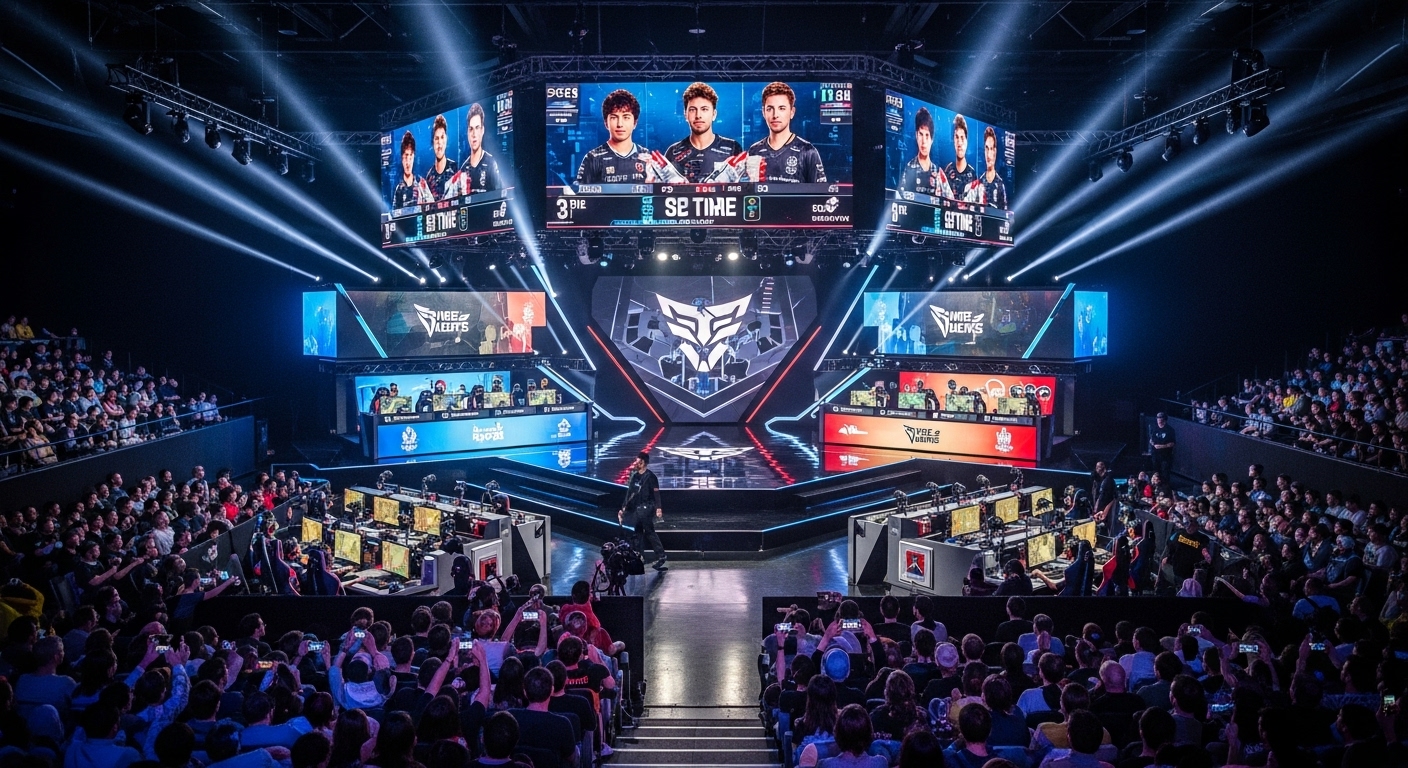
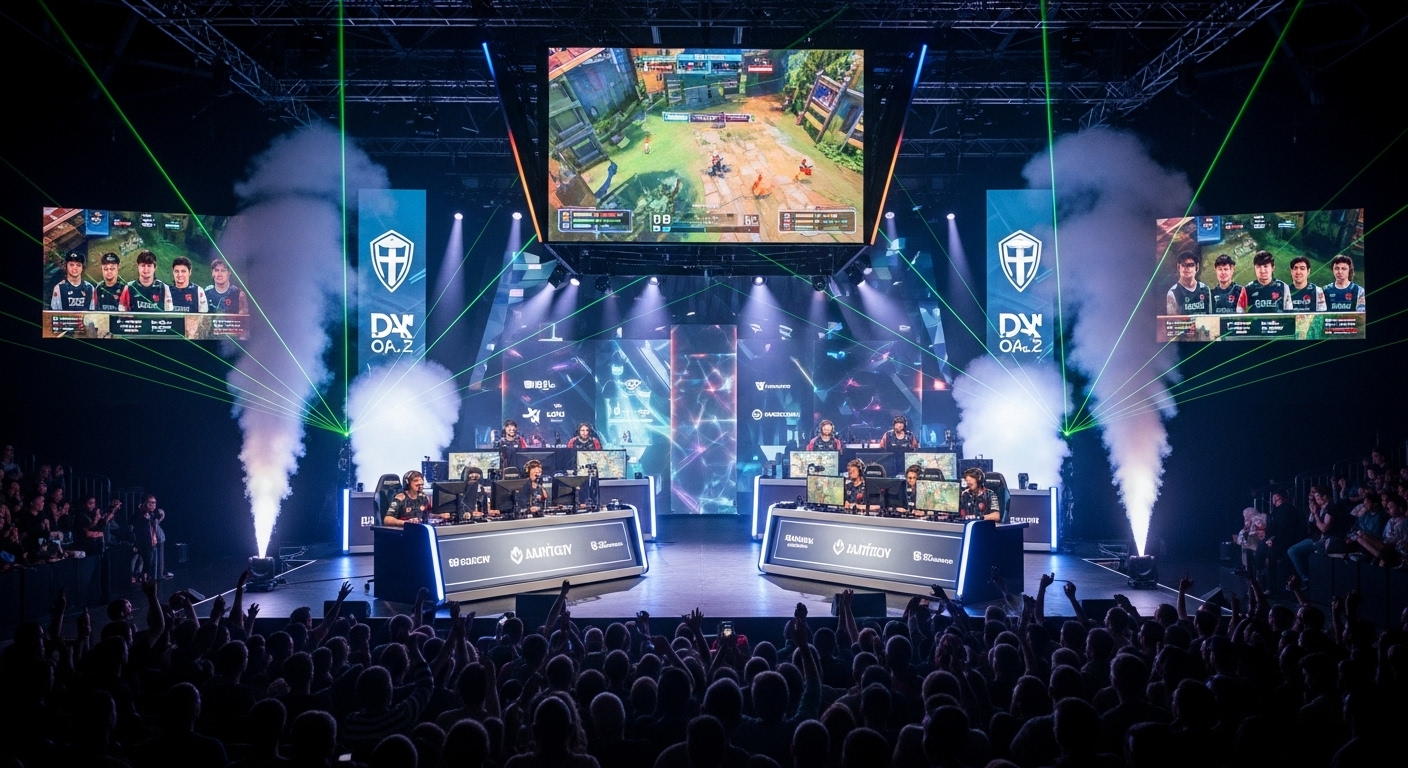
In recent years, esports has transitioned from a niche hobby into a global powerhouse. What once existed in the realm of local LAN parties and underground tournaments has now blossomed into a billion-dollar industry, with millions of dedicated fans, professional players, and major corporations investing in its growth. Whether you’re a seasoned gamer, a casual observer, or someone who’s never picked up a controller, esports is becoming an integral part of the global entertainment landscape.
This blog post will explore the evolution of esports, the factors contributing to its explosive growth, the impact on traditional sports, and what the future holds for competitive gaming.
The Early Days: A Foundation Built on Passion
Esports didn’t just appear overnight. It was the result of a passionate community of gamers who enjoyed competing against each other and watching others compete. In the early days, competitive gaming was mostly confined to small events held in basements, community centers, and local gaming shops. It wasn’t until the late 1990s and early 2000s that things began to shift.
Games like Quake and StarCraft were the starting points for competitive gaming. These titles offered exciting multiplayer experiences, and players began organizing their own tournaments. In 1997, one of the first major esports tournaments, the Red Annihilation tournament for Quake, was held. The winner took home a brand-new Ferrari. While that prize may have been an outlier, it set the tone for the potential of high-stakes competition in the world of gaming.
Around this time, global competitions such as the World Cyber Games and Electronic Sports World Cup began to emerge, further solidifying esports as a legitimate form of competition. However, the esports community still remained relatively small, with limited mainstream media coverage and little recognition outside of the hardcore gaming circle.
The Birth of Streaming: Bringing Esports to the Masses
The real catalyst for the growth of esports came in the 2010s with the rise of live streaming. In 2011, the launch of Twitch, a platform dedicated to live-streaming video games, changed everything. Twitch provided a platform where players could not only compete but also broadcast their gameplay to a global audience. Esports tournaments, which had been confined to in-person events or small-scale broadcasts, now had the opportunity to reach millions of viewers worldwide.
The introduction of Twitch turned competitive gaming into an entertainment experience. Viewers could watch their favorite players and teams in real-time, comment on the gameplay, and interact with other fans through chat. It gave the esports community a sense of connection that transcended geographical boundaries. The excitement of watching skilled players compete at the highest level became contagious, and suddenly esports tournaments like League of Legends World Championships, The International for Dota 2, and CS:GO Major Championships were drawing in crowds that rivaled those of traditional sports events.
With the addition of live streaming platforms, esports tournaments became accessible to millions of viewers who might have never considered tuning in to a competitive video game before. The engaging nature of these streams and the opportunity to interact with players made esports more appealing than ever before.
A Multi-Billion Dollar Industry
Esports has evolved into a lucrative industry with revenue streams coming from various sources. In addition to live streaming revenue, sponsorships, advertising, ticket sales, and merchandise have all contributed to the rapid financial growth of esports. Global companies like Intel, Coca-Cola, and Red Bull have partnered with esports tournaments, teams, and players, bringing big money and mainstream credibility to competitive gaming.
The prize pools in esports have grown exponentially over the years. Tournaments like The International for Dota 2 have prize pools that surpass those of traditional sports events, with The International 2021 boasting a prize pool of over $40 million. This financial growth has made esports more attractive to investors and has legitimized competitive gaming as a professional career.
In parallel to the growing revenue streams, esports organizations and professional teams have become business ventures in their own right. These organizations recruit top-tier players, invest in coaching staff, and build marketing strategies. With global sponsorships and massive prize money up for grabs, esports teams are now running like professional sports franchises.
The Evolution of Esports as a Profession
The rise of esports has also led to the professionalization of competitive gaming. Players are no longer just hobbyists—many of them now make a living from gaming. Just like athletes in traditional sports, esports players have salaries, contracts, agents, and endorsement deals. Top players can make millions of dollars through tournament winnings, sponsorships, and streaming revenue.
Professional gaming teams recruit players with specific skill sets, and the teams are often involved in training, team management, and strategy development. Competitive gaming has become a career, and with it comes the pressure of maintaining peak performance, managing personal brand identities, and interacting with fans and sponsors.
Esports organizations have invested heavily in scouting talent, creating player development programs, and even offering scholarships to young players. This has paved the way for younger players to break into the competitive scene earlier than ever before. Players as young as 16 can find themselves on the professional esports circuit, with a clear pathway to a successful career in gaming.
While some esports players’ careers may be shorter than those in traditional sports due to the physical demands of high-level play (especially in fast-paced games like StarCraft or Overwatch), many players continue to contribute to the community as streamers, analysts, and coaches long after they retire from professional competition.
Esports as a Spectator Sport
One of the unique aspects of esports is that it offers an immersive spectator experience. Much like traditional sports, esports tournaments are broadcasted live to millions of fans. Professional commentators provide in-depth analysis, and high-quality production teams create a viewing experience that mirrors that of a sports broadcast.
Esports fans don’t just watch the game—they are often highly engaged in the competition, with team loyalty, rivalries, and player fan bases akin to those seen in traditional sports. Esports organizations often have massive followings on social media, and their players are treated like celebrities within the gaming community. Major tournaments fill arenas with thousands of screaming fans, while millions more watch online.
The production value of these tournaments has skyrocketed. High-definition broadcasts, camera angles, and even augmented reality are used to enhance the viewing experience. Much like the fanfare surrounding major traditional sports events like the Super Bowl or the FIFA World Cup, esports tournaments such as the League of Legends World Championship or The International have become events in their own right, attracting global attention and creating viral moments for fans to talk about.
The Cultural Impact of Esports
The cultural impact of esports is profound. It has shifted the way society views gaming, transforming it from a solitary activity to a mainstream competitive event. Esports has made gaming cool, and many young people today look up to esports athletes as role models. Competitive gaming has become a viable career choice, with more kids aspiring to become professional gamers or work within the esports ecosystem.
Moreover, esports has contributed to the growth of online communities and social media platforms. Streaming services like Twitch and YouTube Gaming have allowed gamers to build personal brands and connect with their fans. This social media culture, combined with the global reach of esports, has led to the formation of a truly interconnected community.
The world of esports is also helping to break down barriers in the gaming industry. More women are participating in competitive gaming, whether as players, analysts, commentators, or content creators. In recent years, initiatives aimed at promoting diversity and inclusivity have become a focus within the esports industry, helping to create a more welcoming and open space for all gamers.
Esports has also sparked debates about the intersection of gaming and mental health. As competitive gaming requires intense concentration and long hours of practice, players can experience mental fatigue and burnout. The esports industry is increasingly recognizing the need for player wellness programs, mental health support, and better work-life balance to ensure the longevity of players’ careers.
The Future of Esports: What’s Next?
Looking ahead, the future of esports is both exciting and unpredictable. As technology continues to evolve, esports is set to become even more immersive and interactive. Virtual reality (VR) and augmented reality (AR) are likely to play a key role in enhancing the competitive gaming experience, potentially changing how players interact with games and how spectators engage with live tournaments.
The continued global expansion of esports is also likely. As broadband internet access improves worldwide, esports tournaments will continue to reach new audiences in previously untapped regions. We may also see greater integration of esports with traditional sports. Major sports leagues are starting to embrace esports by organizing their own competitions, creating esports teams, and integrating esports into their broader branding efforts.
In addition, esports may continue to grow as a university-level sport. Several schools and universities now offer scholarships for esports athletes, and we may see the emergence of collegiate leagues that further legitimize competitive gaming as a professional sport. High schools and universities are increasingly hosting their own esports tournaments, creating pathways for young gamers to enter the professional scene.
Conclusion: Esports Is Here to Stay
Esports has come a long way since its humble beginnings in local LAN tournaments. Today, it is a billion-dollar industry, attracting global audiences, major sponsorships, and top-tier talent. Whether you’re a player, a fan, or a casual observer, esports offers an exciting new realm of entertainment, competition, and opportunity.
With its rise in popularity, growing financial potential, and the ability to engage with millions of people worldwide, esports is no longer just a pastime—it’s a cultural phenomenon. As technology continues to improve and the esports community becomes even more global and diverse, competitive gaming is here to stay, and its future looks brighter than ever.