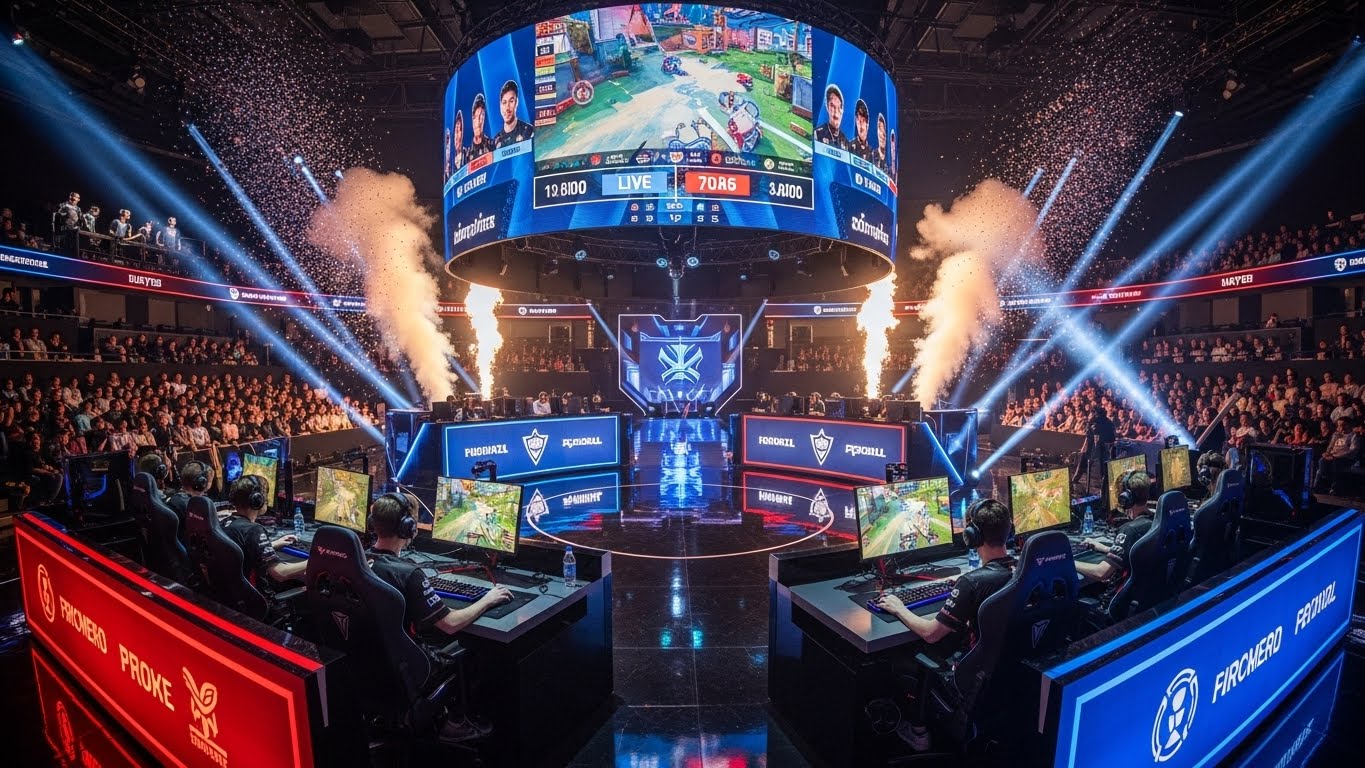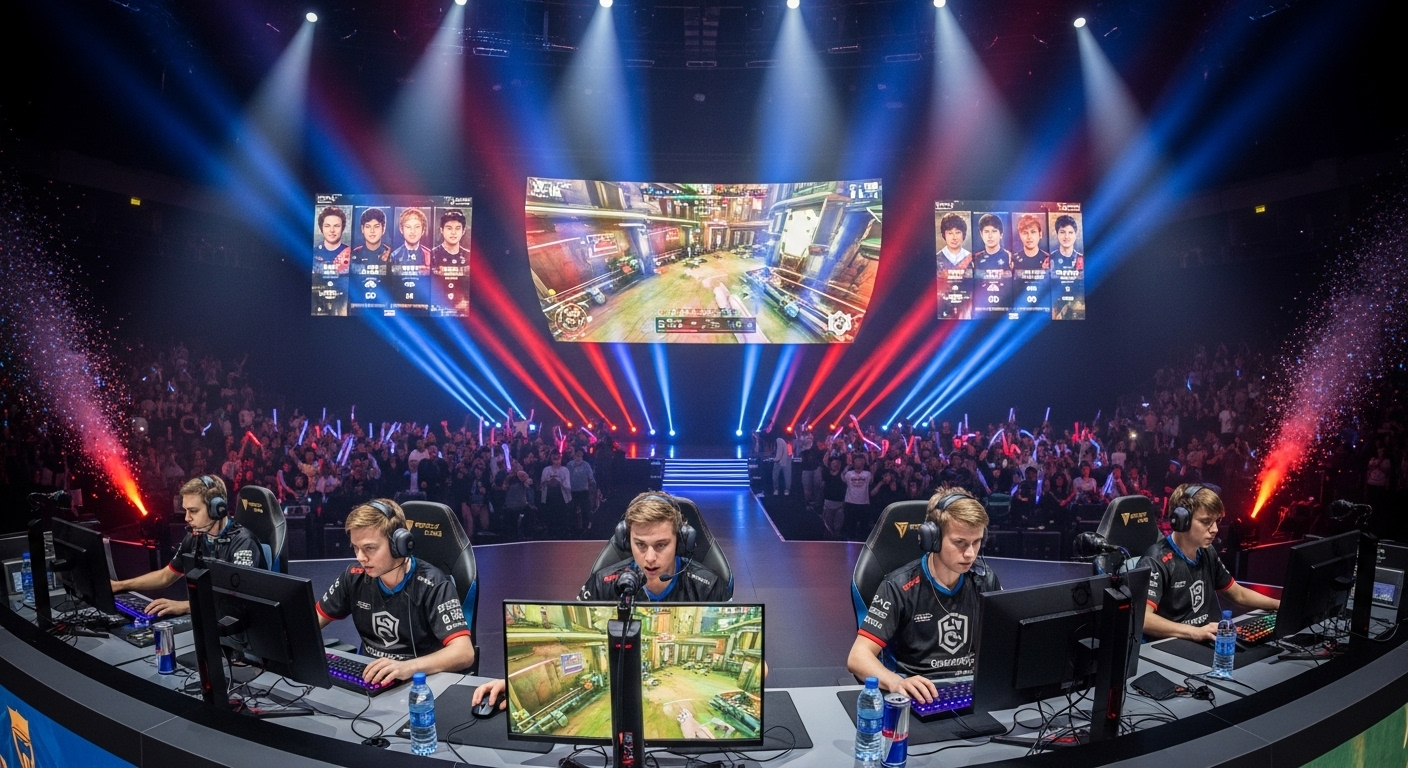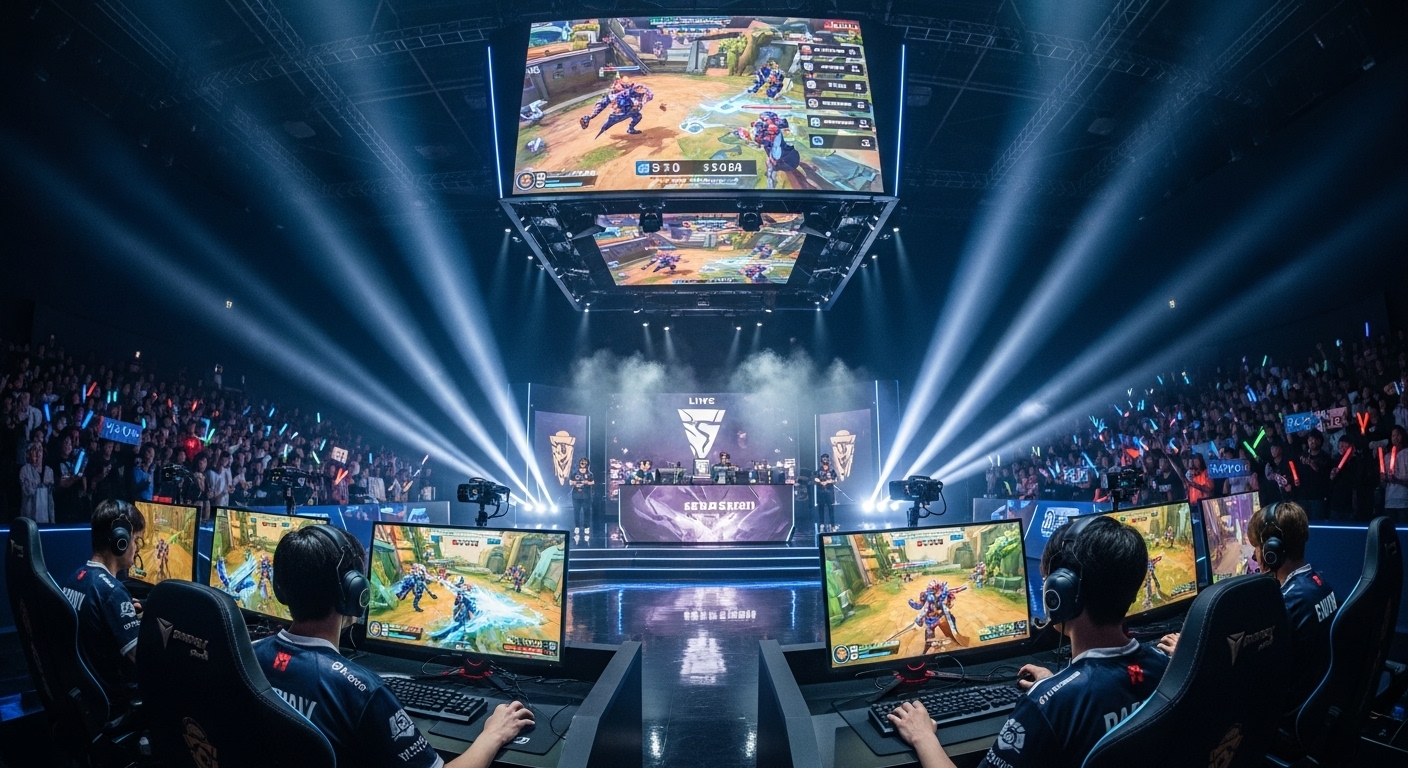
Esports, short for electronic sports, has evolved significantly over the past two decades. What began as small, informal competitions in local gaming communities has now transformed into a global phenomenon that rivals traditional sports in terms of viewership, sponsorships, and prize money. Today, esports spans a vast array of competitive games, attracts millions of viewers, and has created career opportunities for professional players, commentators, and event organizers. In this blog post, we will delve into the evolution of esports, its impact on gaming culture, the rise of major esports titles, and the economic impact that esports has had on the global entertainment industry.
The Humble Beginnings of Esports
Esports may seem like a modern concept, but its origins trace back to the early 1990s. The very first video game competitions were informal events held in arcades, where players would challenge one another in games like “Street Fighter” or “Pong.” These early tournaments laid the groundwork for the competitive gaming community, but it wasn’t until the late 1990s and early 2000s that esports started to gain significant traction.
One of the key moments that helped esports grow was the release of games that were designed specifically for multiplayer and competitive play. Titles like “StarCraft” (1998) and “Quake III Arena” (1999) began to change the landscape of gaming. These games had robust multiplayer modes and attracted a dedicated following of players who would compete against each other both in person and online.
The Rise of Early Esports Tournaments
In the early days, esports tournaments were primarily focused around PC games like “Quake” and “Warcraft III.” These games laid the foundation for professional gaming leagues and tournaments. The year 2000 saw the introduction of the “World Cyber Games,” which is often regarded as one of the first true global esports events. This tournament brought together players from all around the world to compete in a series of games, marking the beginning of a global competitive gaming culture.
Another landmark moment came in 2002 with the creation of the “Cyberathlete Professional League” (CPL). The CPL was one of the first organizations to offer cash prizes to winners, which brought a sense of legitimacy to esports as a competitive pursuit. These early events were critical in shaping esports as we know it today, providing players with a platform to showcase their skills while giving fans the opportunity to witness top-tier gameplay.
The Growth of Esports in the 2000s
As the 2000s progressed, the esports industry began to gain more visibility. However, it wasn’t until the middle of the decade that esports truly started to expand on a global scale. The advent of broadband internet and the proliferation of high-speed connections made it possible for players to compete in online tournaments, leading to a surge in the number of competitive events.
The Birth of Major Esports Games
During the 2000s, several key games were released that would go on to become staples of the esports scene. “Warcraft III,” “Counter-Strike,” and “StarCraft: Brood War” (released in 2002) became the foundations of competitive gaming. These titles introduced intricate strategies, tactical gameplay, and a competitive community that would fuel the esports industry for years to come.
“Counter-Strike,” released in 1999, became one of the most popular first-person shooters (FPS) in the world, with teams from all over the globe participating in tournaments. It also pioneered the concept of team-based esports, where players would compete in groups rather than as individuals. The rise of professional “Counter-Strike” teams was instrumental in showcasing the potential for team-based competitions, setting the stage for future team-centric titles like “League of Legends.”
The Emergence of Streaming Platforms
By the mid-2000s, esports began to gain visibility through online streaming platforms. The most significant of these platforms was Twitch, which launched in 2011 and revolutionized the way fans interacted with esports events. Twitch allowed gamers to broadcast their gameplay live to a global audience, creating an interactive experience for fans to engage with players and commentators in real-time.
Streaming platforms like Twitch became the primary source of entertainment for competitive gaming enthusiasts. Esports tournaments began to attract large audiences on these platforms, which led to an increase in sponsorships and commercial partnerships. This marked the beginning of esports’ transition into a legitimate entertainment industry.
The Mainstreaming of Esports in the 2010s
The 2010s marked the true turning point for esports, as the industry began to break into the mainstream. Major media outlets and mainstream sports networks started to take notice of esports, leading to a massive increase in investment and exposure. Esports organizations began to grow in scale, with many forming partnerships with traditional sports teams and media companies.
The Rise of League-Based Esports
In 2013, Riot Games launched League of Legends (LoL), a multiplayer online battle arena (MOBA) game that would go on to dominate the esports landscape for the next decade. League of Legends introduced a league-based system where teams could compete for a regular season and playoff spots, with the best teams advancing to regional and international championships. This system mirrored the structure of traditional sports leagues, with esports organizations establishing stable franchises that allowed players and teams to build long-term careers.
In addition to “League of Legends,” other prominent esports titles began to rise to prominence. “Dota 2,” released by Valve in 2013, introduced one of the most lucrative esports tournaments in the world: The International. The prize pool for “The International” reached over $40 million in 2018, and it remains one of the highest-paying esports tournaments globally. The popularity of games like “Overwatch,” “Fortnite,” and “PUBG” further solidified esports’ place in the global entertainment industry.
Sponsorships and Partnerships
As esports grew, it attracted the attention of major brands and corporations. Companies like Intel, Red Bull, Coca-Cola, and Mountain Dew began to sponsor tournaments and teams, contributing millions of dollars to the growth of the industry. This influx of sponsorship money allowed esports organizations to offer higher salaries to players, as well as expand their operations and enhance the viewer experience.
The rise of sponsorships also led to the development of team-oriented brands and merchandise, similar to traditional sports teams. Esports organizations like Cloud9, Team Liquid, and Fnatic established themselves as major players in the industry, drawing fans who would cheer on their favorite teams and players much like they would support a football or basketball team.
The Modern Era of Esports: 2020 and Beyond
As we enter the 2020s, esports is no longer a niche market. The industry has exploded in terms of both viewership and revenue. Major tournaments and events regularly attract millions of viewers, and esports has become a viable career path for gamers around the world.
The Integration of Esports into Mainstream Culture
Esports is now widely regarded as a legitimate form of entertainment. In 2018, esports was even recognized as a medal event in the Asian Games, further cementing its place in the global sporting community. More recently, the COVID-19 pandemic accelerated the growth of digital entertainment, with many traditional sports fans turning to esports as an alternative form of entertainment while live sports were suspended.
The integration of esports into mainstream media has continued to grow, with platforms like ESPN broadcasting esports events and even creating dedicated esports coverage. In fact, esports has garnered the attention of major tech and media companies like Amazon, Google, and Disney, all of which are investing heavily in the sector. As esports continues to evolve, it is becoming a more integral part of the broader entertainment landscape.
The Future of Esports
Looking ahead, the future of esports seems bright. With its strong global following, esports is set to become an even bigger part of the entertainment industry. Here are some trends to watch for in the coming years:
- Increased Investment: As esports continues to grow, we can expect more investment from venture capital firms, traditional sports organizations, and media companies. This will lead to the creation of even larger tournaments, better player salaries, and enhanced fan experiences.
- Esports in Schools and Colleges: The rise of esports has led to its introduction into schools and colleges, with many educational institutions offering scholarships and creating esports programs. This provides students with the opportunity to pursue esports as both a hobby and a career, much like traditional sports.
- Virtual Reality (VR) and Augmented Reality (AR): As technology advances, VR and AR will play an increasingly important role in the development of esports. These technologies could enhance the viewing experience and provide fans with a more immersive way to engage with their favorite games.
- Global Esports Leagues and Events: Esports will continue to evolve into a global sport, with more regions and countries developing their own leagues and competitive gaming scenes. Major global tournaments like “The International” and the “League of Legends World Championship” will continue to draw large international audiences, and new tournaments will emerge to showcase different games and genres.
Conclusion
Esports has come a long way from its humble beginnings in the arcades and LAN parties of the late 1990s. Today, esports is a multi-billion-dollar industry with millions of fans around the world. Its growth has been fueled by the rise of streaming platforms, the proliferation of competitive gaming titles, and the increasing recognition of esports as a legitimate form of entertainment.
As esports continues to evolve, its impact on the gaming culture, entertainment industry, and even traditional sports is undeniable. The future of esports holds endless possibilities, with new technologies, bigger tournaments, and more global engagement on the horizon. Whether you’re a casual gamer or a dedicated esports fan, it’s clear that esports is here to stay, and its influence will only continue to grow in the years to come.