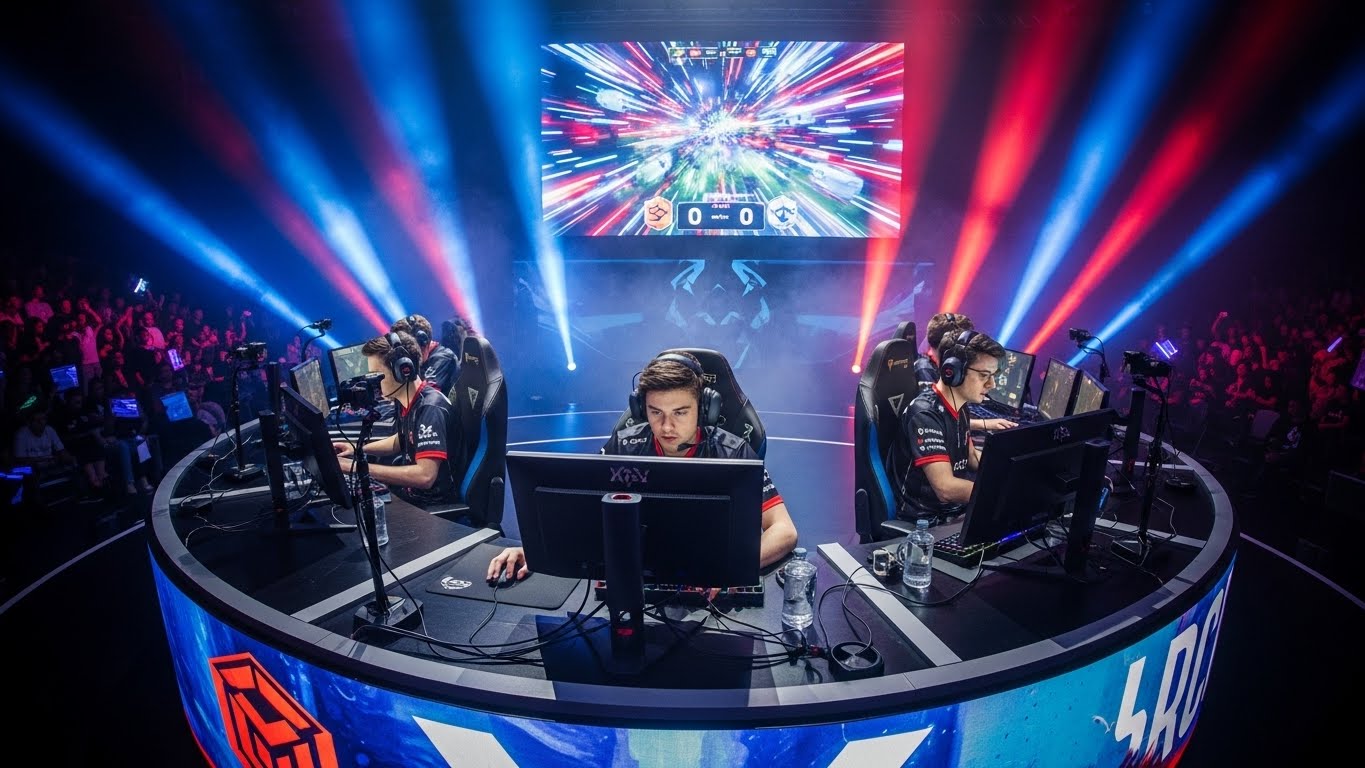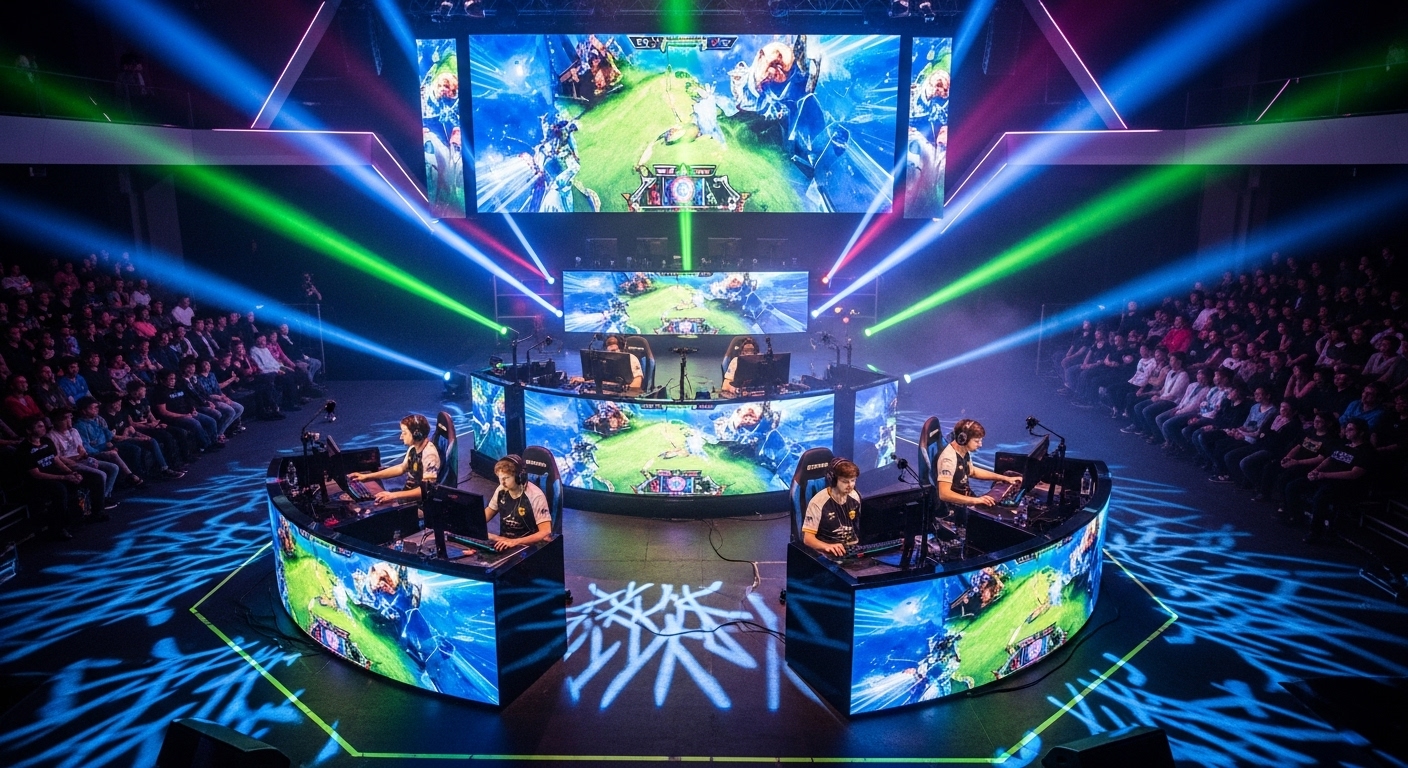
Esports has rapidly grown into one of the most influential sectors in the entertainment industry, captivating millions of fans and players across the world. From humble beginnings as small LAN parties to packed arenas and multi-million-dollar tournaments, esports has transcended the world of gaming to become a mainstream phenomenon. But what exactly is esports, and how did it become a global powerhouse? In this post, we’ll explore the rise of competitive gaming, its economic impact, and where the industry is headed.
Understanding Esports: More Than Just a Game
At its core, esports is competitive video gaming, where players or teams compete against each other in tournaments or leagues for glory, fame, and often significant cash prizes. Unlike casual gaming, esports is highly organized, with professional players, coaches, analysts, and dedicated fan bases. It’s not just about playing video games—it’s about strategy, teamwork, and performance under pressure.
Esports spans a wide variety of game genres, including real-time strategy (RTS) games like StarCraft II, multiplayer online battle arenas (MOBA) like League of Legends and Dota 2, first-person shooters (FPS) like Counter-Strike and Overwatch, and battle royales like Fortnite. Each game has its own competitive scene, complete with tournaments, leagues, and global championships that attract millions of viewers.
The Growth of Esports: From Niche to Mainstream
The journey of esports from niche subculture to global entertainment juggernaut has been nothing short of extraordinary. While competitive gaming dates back to the early 1990s, it wasn’t until the mid-2000s, with the rise of platforms like Twitch and the increasing accessibility of high-speed internet, that esports began to truly take off. StarCraft, Counter-Strike, and Warcraft III were among the first titles to give esports its start, as players from around the world began competing for pride and prize money.
The launch of Twitch in 2011 marked a pivotal moment for the industry. The live streaming platform allowed gamers to broadcast their gameplay and tournaments to a global audience, helping build the fanbase for competitive gaming. As the years went on, esports events started to fill arenas, drawing in large crowds both physically and digitally. Major tournaments like The International for Dota 2 and League of Legends World Championship have attracted millions of viewers, solidifying esports as a force to be reckoned with.
Esports Economy: The Billion-Dollar Industry
Esports is no longer a small-scale hobby but a multi-billion-dollar industry. The economic landscape of esports is diverse and involves several key players: game developers, teams, players, sponsors, broadcasters, and fans. One of the main revenue sources for esports is tournament prize money, with some events offering prize pools that exceed $30 million, such as The International.
Sponsorships are another crucial component of esports’ financial model. Brands from outside the gaming world, like Coca-Cola, Intel, and Mercedes-Benz, have realized the immense potential of esports audiences and invested heavily in sponsorship deals. This influx of corporate money has helped professionalize the industry, with teams becoming more organized and structured, similar to traditional sports franchises.
Another key revenue stream comes from streaming platforms like Twitch and YouTube, which allow gamers and teams to monetize their content through ads, donations, and subscriptions. In addition, merchandise sales, ticket sales for live events, and media rights for broadcasting tournaments further contribute to the esports ecosystem’s profitability.
The Professionalization of Esports
As esports has grown in popularity, it has also evolved in terms of professionalization. Players now follow strict training regimens, with many practicing for hours each day, focusing on improving their skills, team coordination, and game knowledge. Coaches, analysts, psychologists, and nutritionists work alongside players to enhance their physical and mental performance, just like in traditional sports.
This level of professionalization has led to a highly structured ecosystem, with esports teams operating much like sports franchises. For example, the Overwatch League has adopted a franchise model, where teams represent specific cities and compete in regular-season matches. These leagues help provide stability for players and organizations, creating a more sustainable environment for growth.
Esports players can also expect significant financial rewards for their efforts. While the path to the top is highly competitive, successful players can earn millions of dollars in tournament prizes, sponsorships, and streaming revenue. In fact, top-tier esports players have been known to earn more than traditional athletes in certain sports, thanks to the growing popularity of esports and its diverse income streams.
The Global Impact of Esports: Breaking Barriers
One of the most remarkable aspects of esports is its global reach and inclusivity. Competitive gaming transcends borders, allowing players from all over the world to compete at the highest level. This international appeal has fostered a sense of community among fans, with millions of people watching live broadcasts of tournaments and following their favorite teams and players on social media.
Esports is also more inclusive than traditional sports, as it doesn’t require the same physical attributes that other sports do. This makes it accessible to a broader demographic, including those who may not otherwise be able to participate in physically demanding sports. As a result, esports has become a place where individuals of all ages, genders, and abilities can find a sense of belonging and strive for success.
This inclusivity is reflected in the wide variety of esports events that cater to different skill levels. Whether you’re a casual player entering a local tournament or an elite athlete competing in an international championship, there’s a place for everyone in the esports ecosystem.
The Future of Esports: What Lies Ahead
The future of esports looks incredibly bright, with technological innovations and increasing mainstream acceptance set to drive the industry forward. The rise of 5G and cloud gaming will open up new opportunities for esports, making it easier for people to play and watch competitive games from anywhere in the world. This could expand the audience for esports even further, allowing people in developing regions to access high-quality gaming experiences.
Virtual Reality (VR) and Augmented Reality (AR) are also poised to play a significant role in the future of esports. These technologies could revolutionize the way we experience gaming, creating fully immersive environments for players and spectators alike. As VR and AR become more mainstream, esports could evolve into an even more interactive and dynamic form of competition.
Additionally, esports’ increasing integration with traditional sports organizations and media could pave the way for a more seamless crossover between the two. We may soon see esports featured in major global events like the Olympics or as a regular fixture on sports networks.
Conclusion: Esports Is Here to Stay
Esports has come a long way from its early days as a niche hobby. Today, it is a multi-faceted, multi-billion-dollar industry that is changing the way we view competitive entertainment. With massive growth, increasing professionalization, and a global audience, esports is firmly entrenched as one of the dominant forces in the entertainment world.
As technology advances, and more people get involved in the gaming community, esports is only going to get bigger. Whether you’re a player, a fan, or just someone interested in this exciting new frontier of entertainment, it’s clear that esports is here to stay, and its best days are yet to come.