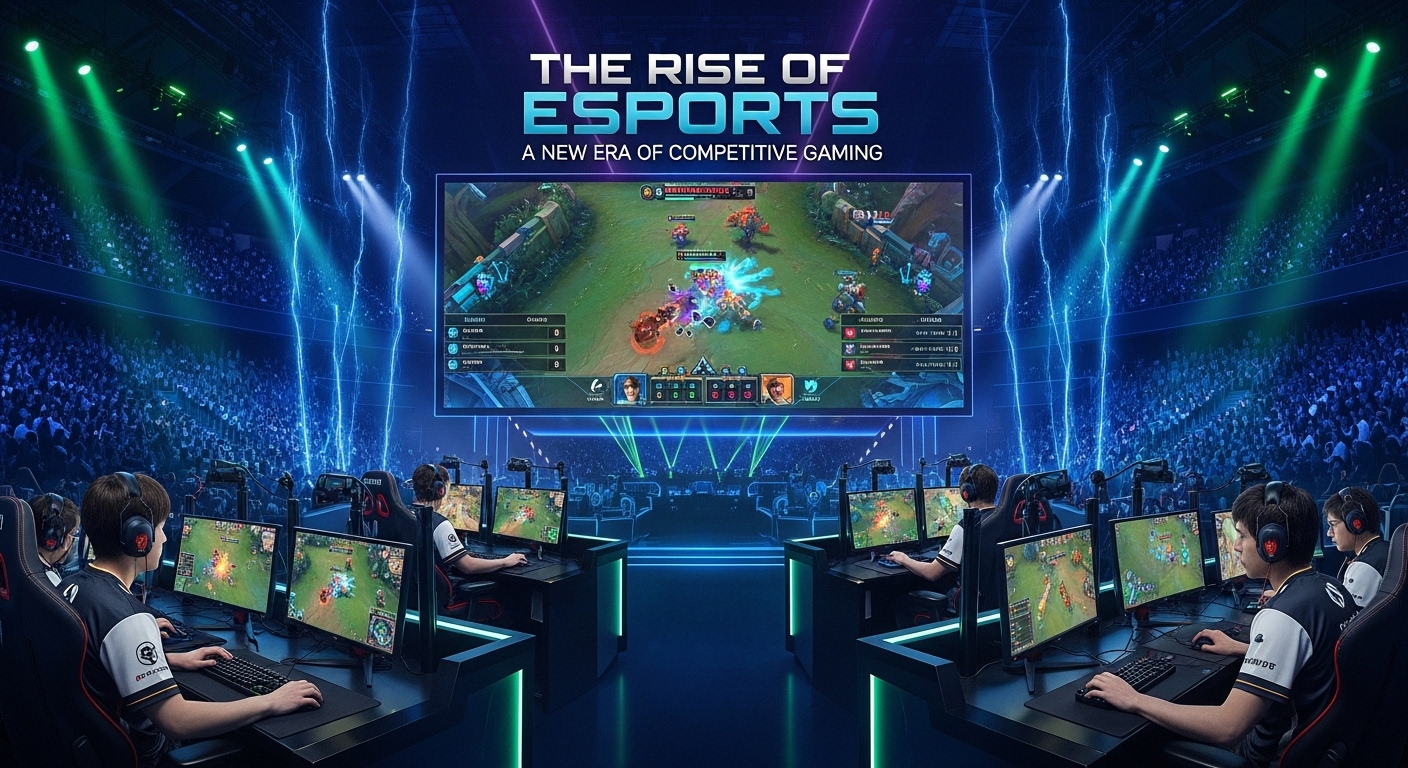
Esports has evolved from a niche hobby enjoyed by small gaming communities into a global phenomenon that stands shoulder to shoulder with traditional sports. With millions of passionate fans, professional athletes, massive tournaments and impressive prize pools, esports has created an entirely new dimension of entertainment. This blog post explores the journey, culture and future of competitive gaming, revealing how it became one of the most influential digital revolutions of our time.
The Rise of Esports and Its Global Momentum
The concept of competitive gaming existed long before the term esports became popular. Early tournaments were often informal gatherings where friends competed for fun. As the internet became more accessible, online multiplayer games flourished, allowing players from different regions to challenge one another. This interaction triggered a new wave of competition, and soon games like StarCraft, Counter-Strike, and Warcraft became global battlegrounds.
Today esports has grown into a multi-billion-dollar industry watched by millions across the world. International tournaments fill stadiums, professional gamers sign contracts worth thousands of dollars, and major broadcasting networks cover the events with the same seriousness reserved for traditional sports. The momentum behind esports continues to grow with no signs of slowing down.
What Makes Esports So Popular
The popularity of esports can be attributed to several key factors. First is accessibility. Anyone with a gaming device and internet connection can participate or spectate. Unlike traditional sports, which may require specific physical skills or expensive equipment, esports opens the door for people of all backgrounds.
Interaction also plays a major role. Fans can watch their favorite players compete live, chat with them during streams, and engage with communities that share the same passion. This level of connection is rarely found in other forms of entertainment.
Esports also thrives on excitement. The fast-paced gameplay, strategic depth and unpredictability of tournaments keep audiences on the edge of their seats. Just like traditional sports, esports athletes train intensely, developing reflexes and decision-making skills that captivate viewers.
Diversity of Games and Genres
Unlike traditional sports that rely on physical fields, esports can be played in countless digital worlds. This creates room for diversity. Fans can choose from games that match their interests, whether it be strategy, first-person shooters, fighting games or battle royales.
Titles like League of Legends, Dota 2 and Valorant dominate the competitive scene, while others such as FIFA, Rocket League and Super Smash Bros attract entirely different fan bases. This diversity ensures that esports appeals to a broad audience, expanding its reach across cultures and age groups.
Each game comes with its own rules, mechanics and competitive structure, making every esports discipline unique. This allows fans to identify with specific teams and athletes, creating the same sense of loyalty found in traditional sports.
Professional Players and the Esports Athlete Lifestyle
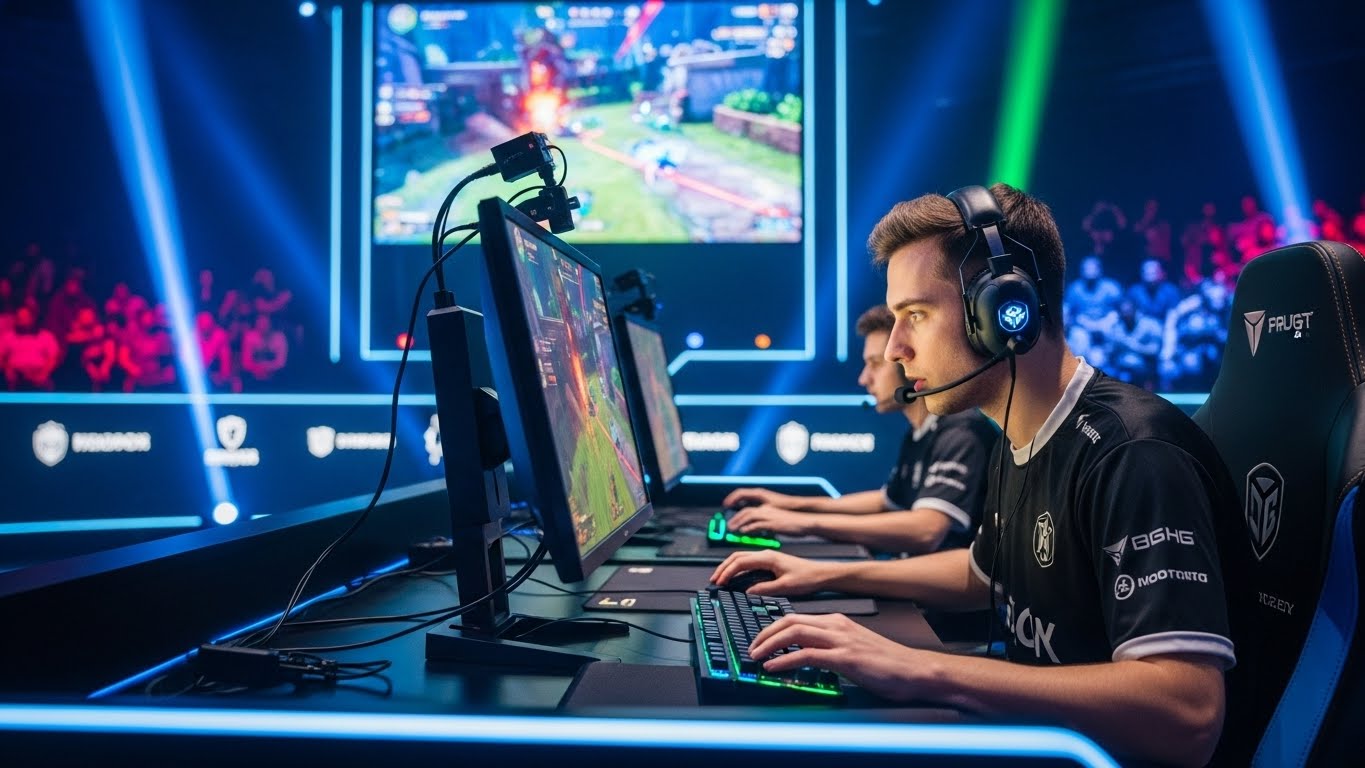
Contrary to the stereotype that gaming is a casual pastime, professional esports athletes undergo rigorous training routines. They spend hours practicing mechanics, analyzing opponents and refining team coordination. Physical fitness also plays a role, as good posture, hand-eye coordination and focus require a healthy body.
Many athletes begin training at a young age, and by the time they enter professional leagues, they possess a deep understanding of the game’s strategies. Teams often employ coaches, analysts and sports psychologists to support players during training and tournaments. These athletes maintain strict schedules similar to those of traditional sports professionals.
Success in esports requires not only skill but also mental discipline. Matches can be mentally exhausting, and players must make split-second decisions under pressure. This combination of talent and mental endurance is part of what makes esports athletes so admirable.
The Role of Esports Organizations and Teams
Esports teams operate in ways similar to traditional sports clubs. They recruit talented players, provide training facilities and create brand identities that attract fans. Some organizations have become household names within the gaming community due to their achievements, consistency and dedication to nurturing talent.
These teams often compete in several games simultaneously, building global fan bases that support them through every tournament. They also collaborate with brands to secure sponsorships, allowing them to invest in better resources for their players.
Organizations are integral to the growth of esports because they bring structure and professionalism to the industry. They play a huge role in shaping the careers of players and increasing the competitiveness of the scene.
Esports Tournaments and the Spectacle of Competition
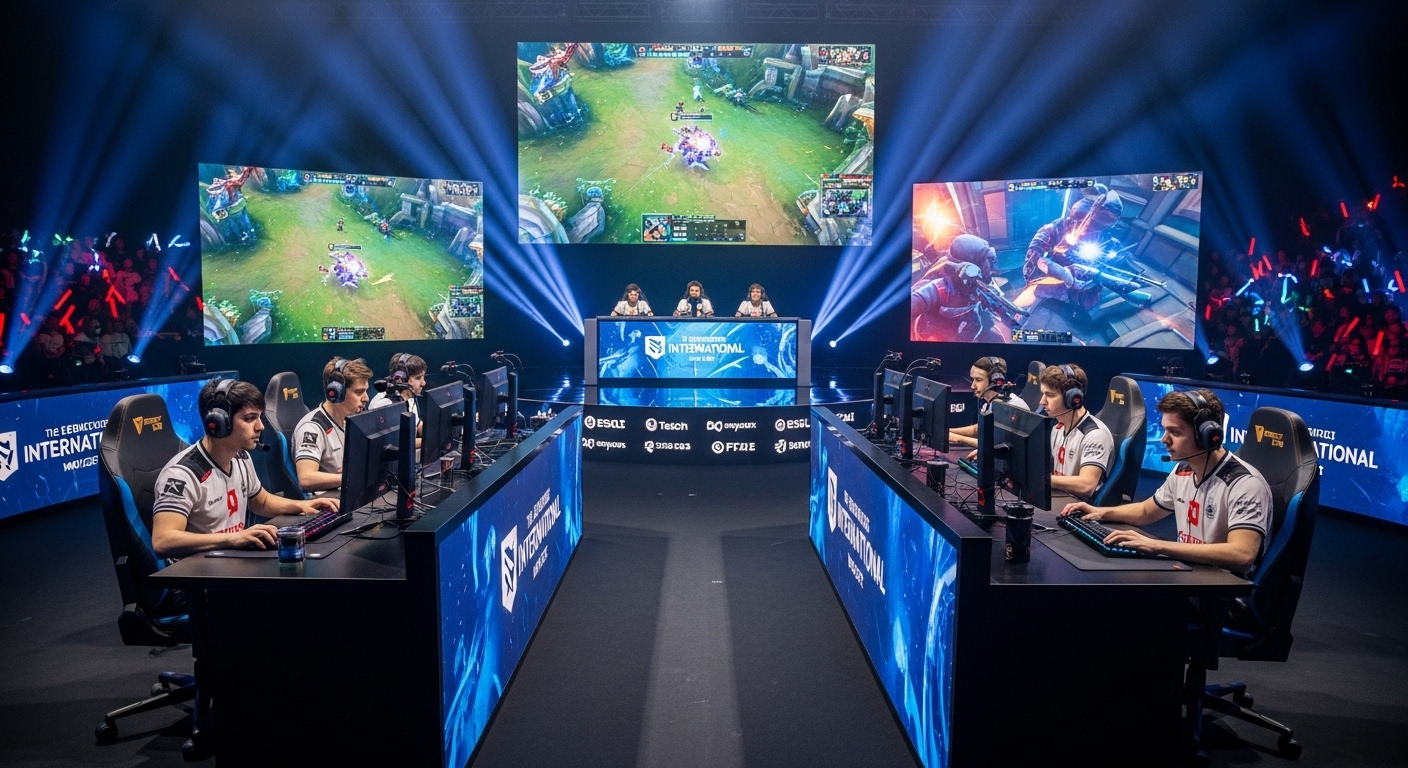
Esports tournaments have become some of the most anticipated events in digital entertainment. Whether held online or in massive arenas, they bring together the best players in the world. The atmosphere of an esports event is unlike anything else. Fans cheer as teams battle in real time, commentators provide play-by-play analysis and dramatic moments unfold on giant screens.
Prize pools can reach astonishing amounts, especially in major tournaments. These events not only reward players for their dedication but also inspire new generations of gamers to pursue esports professionally.
Tournaments also help build community among fans. People come together to celebrate their favorite games, players and moments, making esports more than just a competition. It becomes a cultural event.
Streaming Platforms and Community Engagement
Streaming platforms have played a critical role in the rise of esports. They allow fans to watch games live, interact with players and stay updated with the latest events. Streamers often showcase their skills while building personal connections with viewers, forming strong communities around their channels.
These platforms also democratize content creation. Anyone can stream, which encourages new talent to emerge. Viewers can follow players throughout their journeys, from amateur beginnings to professional success. This transparency strengthens fan loyalty and helps the entire esports ecosystem thrive.
The Economic Impact of Esports
The business side of esports is just as exciting as the competitive aspect. Sponsorships, advertising, merchandise and media rights generate massive revenue. Gaming companies benefit from increased interest in their titles, while advertisers tap into a young, engaged demographic.
Esports also contributes to job creation. The industry needs event organizers, coaches, content creators, analysts, commentators and designers. This growing ecosystem supports thousands of professionals and continues to expand as the sport gains more recognition.
Educational institutions have even started offering scholarships to esports athletes, acknowledging the academic and economic value of the industry.
Challenges Facing the Esports Industry
Despite its success, esports faces several challenges. Player burnout is a significant concern due to long training hours and constant travel. Ensuring the mental and physical wellbeing of athletes is vital for the industry’s sustainability.
Another challenge is maintaining fair competition. Developers must address cheating and game balance issues to keep tournaments fair and enjoyable. Organizations must enforce ethical behavior and sportsmanship among players.
Finally, as esports grows globally, it must navigate regional differences in regulations, cultural acceptance and accessibility. These challenges, however, create opportunities for innovation and improvement.
The Future of Esports
The future of esports looks incredibly promising. As technology advances, virtual reality competitions, improved graphics and immersive experiences may become the norm. Esports could also be featured more prominently in international sporting events, gaining the same level of respect as traditional sports.
Younger generations are growing up in a digital world, and esports fits perfectly into their entertainment landscape. With increasing investments, expanding fan bases and continuous innovation, esports is positioned to become one of the defining sports of the twenty-first century.
Conclusion
Esports has transformed the gaming world into a global stage filled with excitement, skill and community. What began as friendly competition now stands as a powerful industry that inspires millions. The journey of esports is far from over, and its future only promises greater heights. As technology evolves and fans continue to support competitive gaming, esports will remain at the forefront of digital entertainment, shaping culture and connecting people across the world.