Introduction: The Rise of Esports as a Global Phenomenon
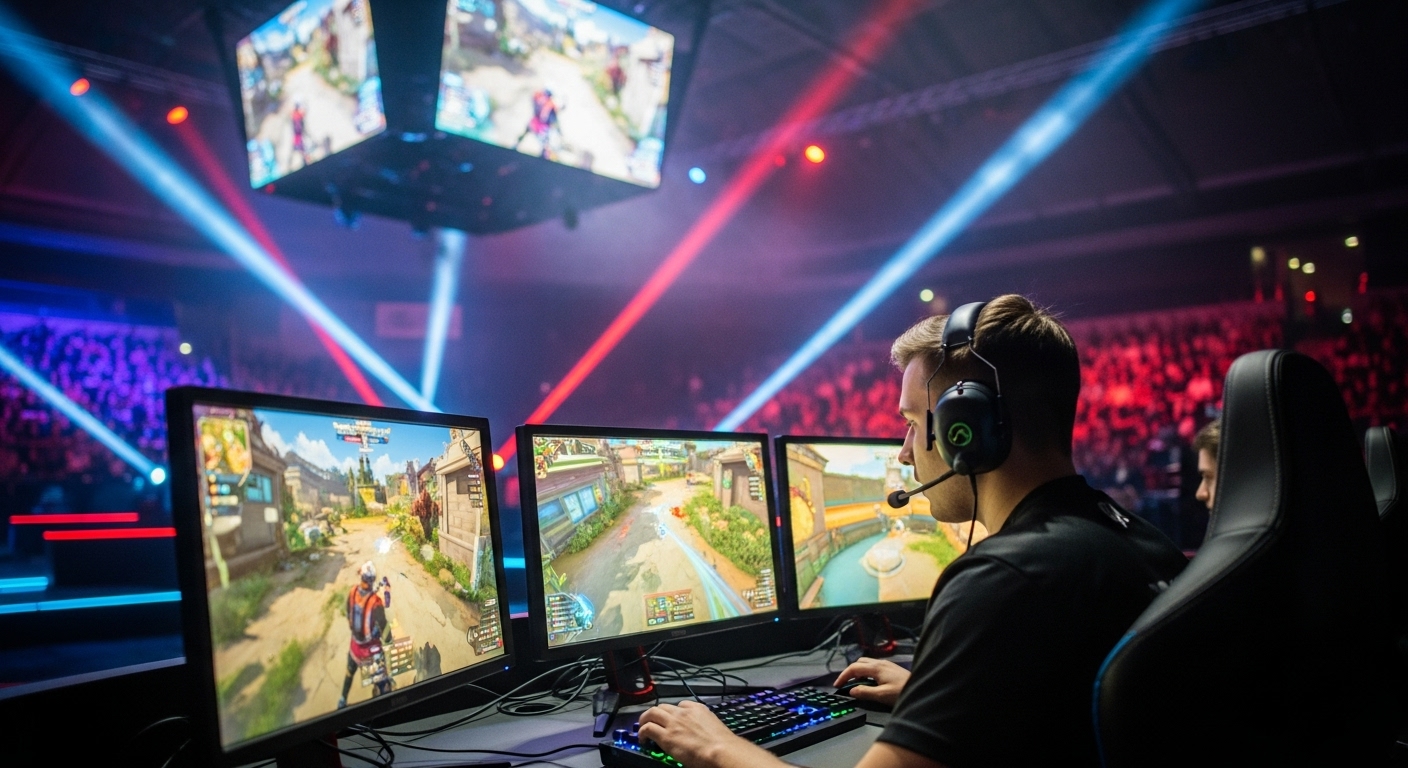
In the last two decades, esports has evolved from a casual pastime into a structured, highly competitive industry watched by millions worldwide. Once dismissed as mere “video games,” esports now commands respect comparable to traditional sports such as football or basketball. This transformation reflects changes in technology, entertainment consumption, and cultural dynamics, offering new opportunities for players, fans, and businesses alike.
This blog will explore the origins of esports, the structure of its ecosystem, the cultural impact, economic significance, challenges faced, and what the future might hold for this thrilling digital sport.
The Origins of Competitive Gaming: From Arcades to Online Arenas
Esports roots trace back to the early days of arcade gaming in the 1970s and 80s. The concept of competing for the highest score was popular among players frequenting arcades. However, it was the rise of multiplayer PC games in the 1990s that truly planted the seeds for competitive gaming.
Games like Quake and StarCraft introduced a new level of competitive depth with direct player versus player combat. As internet connectivity improved, players could face off remotely, turning local competitions into international contests. Early tournaments began in the late 1990s and early 2000s, often organized by game developers or fan communities.
The Esports Ecosystem: Players, Teams, and Tournaments
At its core, esports is about competition among players who display exceptional skill and strategy. Professional gamers dedicate countless hours to mastering their craft. Unlike traditional sports, esports athletes rely heavily on reflexes, game knowledge, communication, and teamwork.
Teams and organizations provide infrastructure and support, including coaching, health management, marketing, and contract negotiation. These organizations mirror traditional sports clubs, fostering talent and managing competitive schedules.
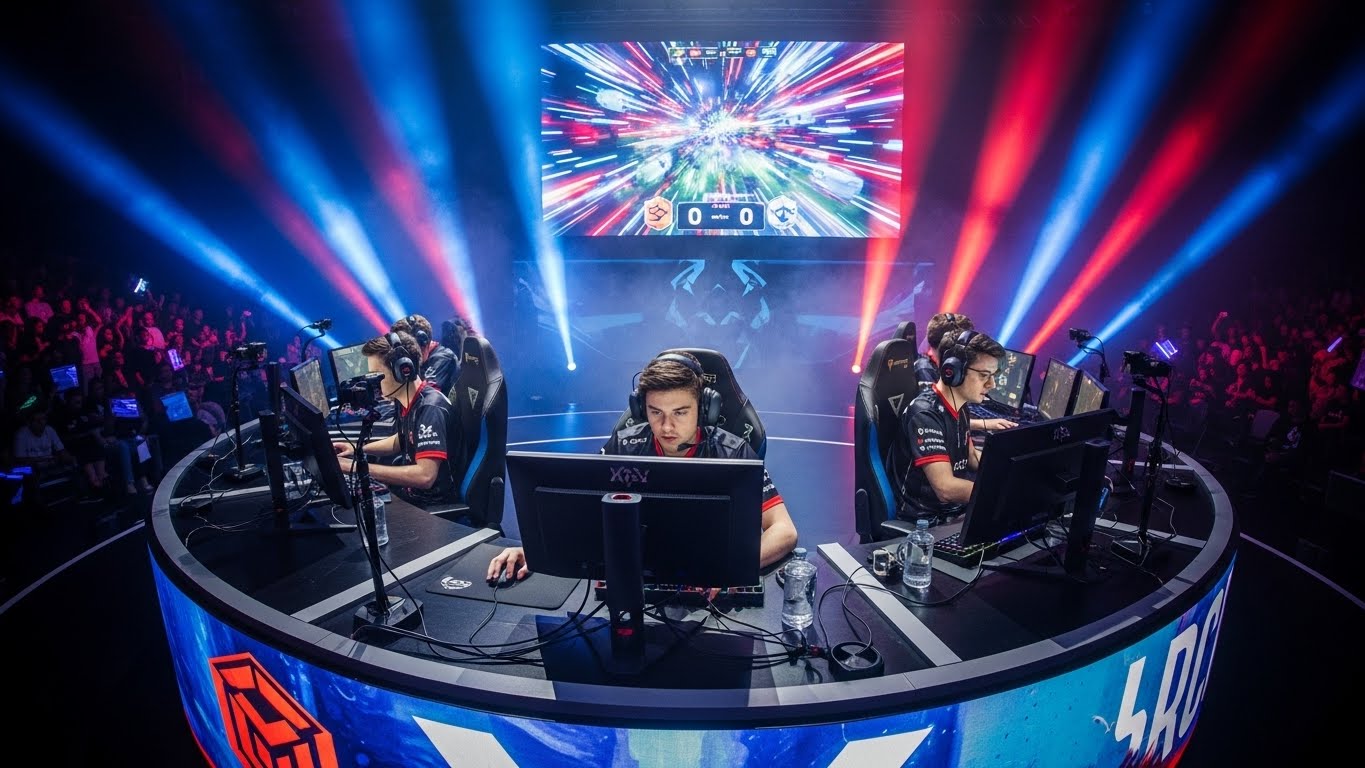
Tournaments vary widely in size and scope. Some are small, regional competitions, while others, like the League of Legends World Championship or The International in Dota 2, attract global audiences and prize pools worth millions. The structure of leagues and franchising models has added stability and professionalism to the scene.
The Role of Streaming and Digital Platforms
One of the most unique aspects of esports is its distribution model. Traditional sports rely on television broadcasts, but esports thrives on digital streaming platforms. Services like Twitch and YouTube Gaming allow fans to watch live matches, interact with players and commentators through chat, and engage with content creators.
This interactivity creates a vibrant community around esports, breaking down barriers between players and fans. Viewers often feel like participants rather than passive observers, contributing to the rapid growth of esports audiences worldwide.
Cultural Impact: Building Communities and Identity
Esports has become a cultural force that transcends mere competition. For many, it represents identity, community, and creative expression. Fans connect through shared passion, online forums, fan art, and social media.
Players themselves often become role models and influencers, using their platforms to share stories, mentor aspiring gamers, and advocate for important causes. The social aspect of esports contributes to its appeal, especially among younger generations who consume digital content and form relationships online.
Economic Growth and Business Models in Esports
The esports industry has become a multi-billion-dollar business. Revenue streams include sponsorships, advertising, merchandise sales, ticketing for live events, and media rights. Major corporations from technology, apparel, and consumer goods sectors invest heavily in esports.
In addition to traditional monetization, digital goods such as in-game skins, passes, and collectibles generate significant income. Esports organizations increasingly diversify their operations, branching into content creation, event production, and even partnerships with traditional sports.
Careers in esports have expanded beyond players to include coaches, analysts, broadcasters, marketers, and event organizers. Educational institutions are beginning to offer specialized programs and scholarships, reflecting esports’ increasing legitimacy.
The Challenges Facing Esports Today
Despite its rapid growth, esports faces several challenges. Player burnout and mental health concerns are prominent due to intense training schedules and public scrutiny. The industry is still learning how to best support the well-being of its talent.
Fair competition and integrity remain vital. Issues such as cheating, doping, and match-fixing require vigilance and robust regulation. Efforts to combat toxicity and improve inclusivity are ongoing but essential for a healthy ecosystem.
Sustainability is another hurdle, especially for smaller teams and grassroots tournaments. Securing consistent funding and sponsorship remains a challenge in a competitive market.
The Future of Esports: Innovation and Expansion
Looking ahead, esports will continue evolving with technological advances. Virtual reality and augmented reality promise to change gameplay and viewing experiences, making them more immersive.
Artificial intelligence and data analytics are increasingly important for training and strategy development. Blockchain technology may offer new ways to monetize and authenticate digital assets.
Moreover, esports will likely deepen its integration with traditional sports, entertainment, and education, creating hybrid experiences and new opportunities.
Conclusion: Esports as a Defining Element of Modern Culture
Esports is no longer just about video games; it’s a complex, vibrant industry reshaping entertainment and competition. Its global reach, passionate communities, and continuous innovation ensure esports will remain a significant cultural force.
Whether you’re a casual fan, an aspiring player, or a business professional, understanding esports opens the door to one of the most exciting frontiers of the digital age. The future holds immense potential for growth, creativity, and connection in the digital arena.