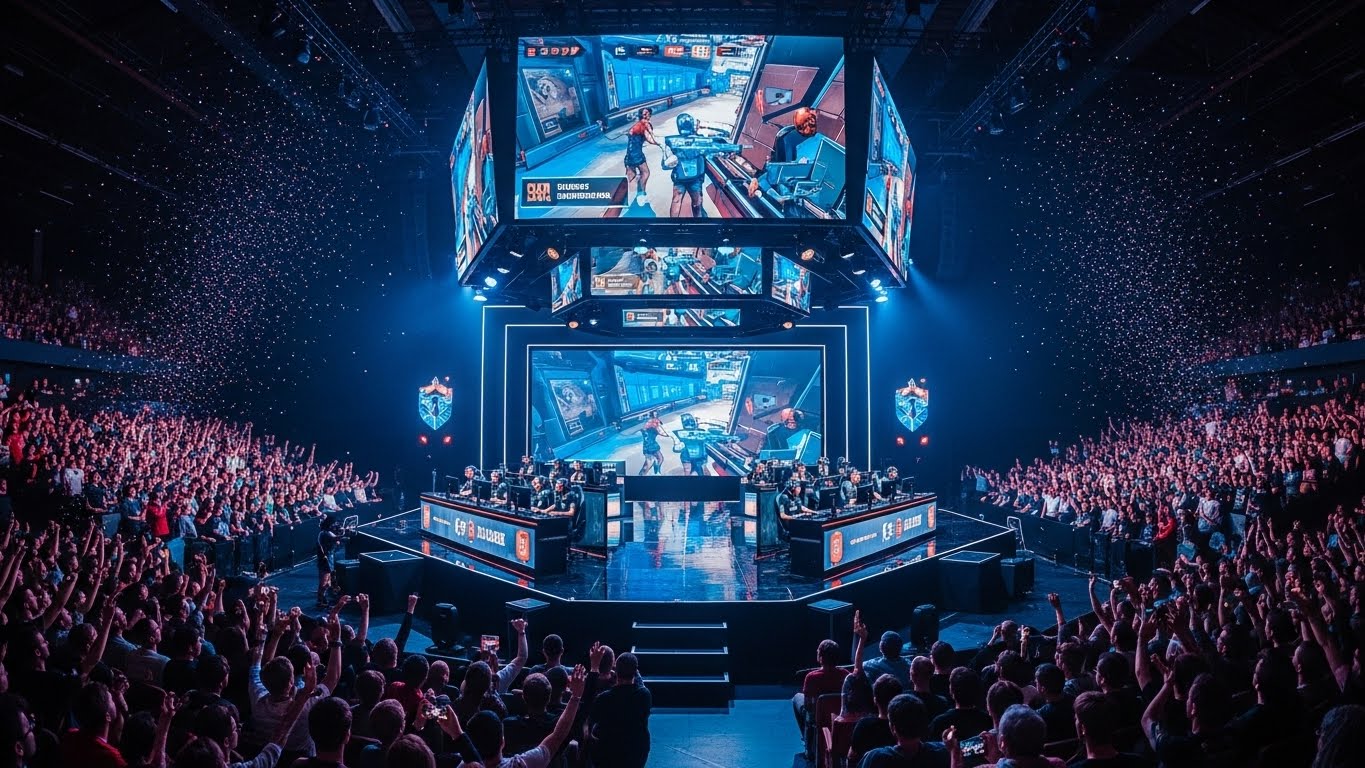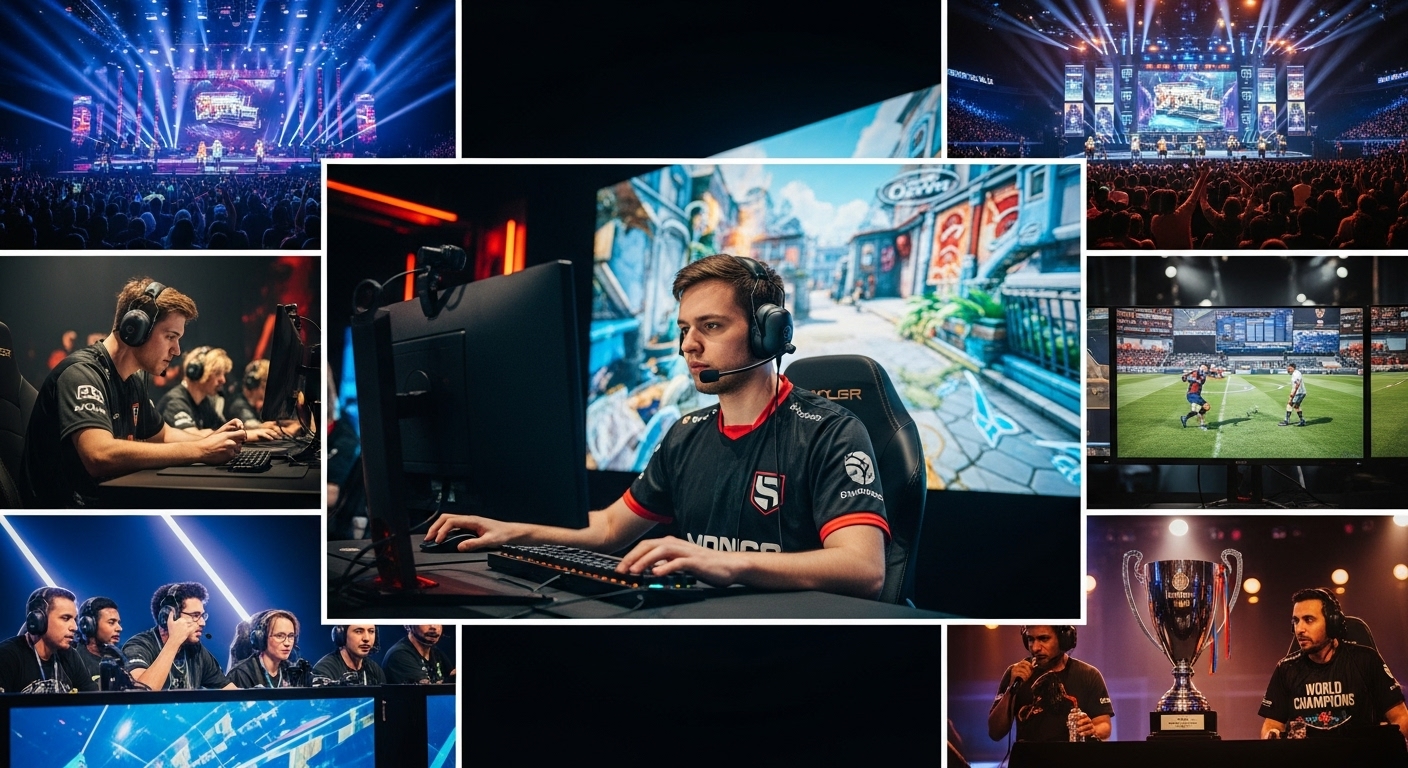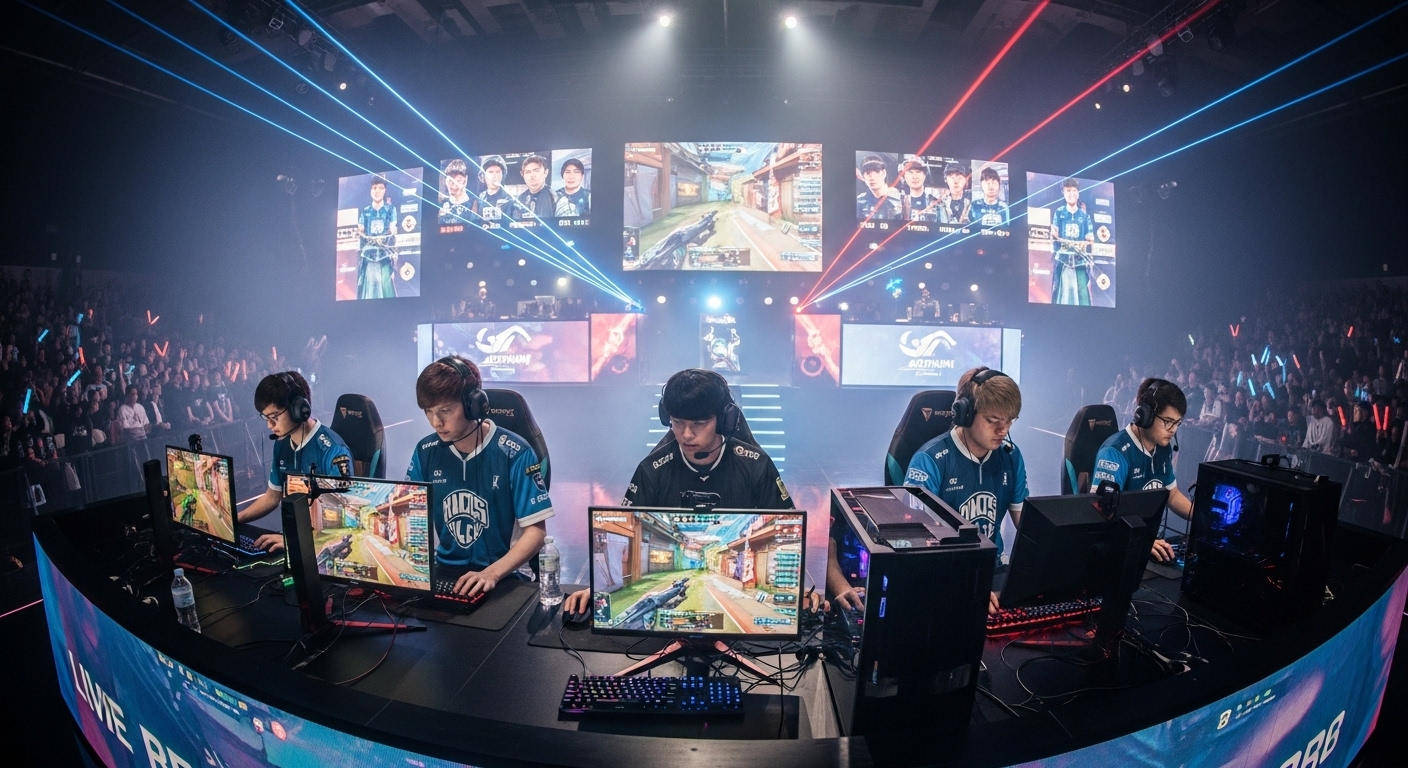
Esports, short for electronic sports, has emerged as one of the most influential phenomena in modern entertainment. From humble beginnings as informal gaming competitions in arcades and homes, esports has transformed into a global industry that attracts millions of fans, professional players, and significant financial investment. Unlike casual gaming, esports involves structured competitions where skill, strategy, teamwork, and reflexes are tested under high-pressure conditions. The rise of esports represents the convergence of technology, entertainment, and competitive spirit, creating a unique cultural and economic force in the twenty-first century.
The Origins of Competitive Gaming
The history of esports dates back to the late 1970s and 1980s when arcade games gained widespread popularity. Early competitive gaming consisted of local contests and high-score challenges for games like Space Invaders, Pac-Man, and Donkey Kong. Players competed informally, but these gatherings created the foundation for organized tournaments. The first notable large-scale competition, the Space Invaders Championship, held in 1980 in the United States, drew thousands of participants and received national attention. This event demonstrated that video games could inspire excitement, community engagement, and recognition for skill, marking the beginning of esports as a spectator activity.
The 1980s also saw the introduction of home gaming consoles, which allowed players to compete from their own homes. This period laid the groundwork for future online competitions and expanded the reach of competitive gaming beyond arcades. These early developments highlighted the potential for gaming to become more than entertainment—it could evolve into organized, skill-based competition.
The Rise of Multiplayer Gaming
The 1990s marked a significant turning point with the advent of multiplayer and networked games. Titles such as Doom, Quake, and StarCraft allowed players to compete in real time, introducing strategy, teamwork, and tactical decision-making into the gaming experience. The shift from solo play to multiplayer competition transformed gaming into a social and competitive activity with a broader community impact.
South Korea played a pioneering role in professionalizing esports during this era. StarCraft competitions became a national obsession, and players achieved celebrity status. Internet cafes, known as PC bangs, became hubs where aspiring gamers practiced for hours and participated in tournaments. Televised competitions further solidified the legitimacy of professional gaming, inspiring other countries to develop structured leagues and competitive circuits.
Professionalization of Esports
By the early 2000s, esports had matured into a professional industry. Players joined organized teams, received salaries, and trained rigorously for competitions. Major titles such as Counter-Strike, Warcraft III, and Halo became central to the professional scene, attracting global audiences both online and in live arenas.
Organizations like Major League Gaming in North America provided formal structures for competition, including standardized rules, organized schedules, and media coverage. Players transitioned from casual hobbyists to professional athletes, dedicating significant time and energy to mastering mechanics, strategy, and teamwork. Sponsorships, endorsements, and tournament winnings created financial incentives that reinforced the professionalization of esports.
Esports as a Global Phenomenon
Esports has expanded into a worldwide industry, drawing millions of fans and participants from every continent. High-profile tournaments are held in arenas, stadiums, and online platforms, creating experiences that rival traditional sports. Popular games like League of Legends, Dota 2, Fortnite, and Call of Duty dominate the competitive scene, attracting global audiences.
Major tournaments, such as The International for Dota 2 and the League of Legends World Championship, offer prize pools in the millions, rivaling the financial rewards of traditional sports championships. These events are more than competitions—they are cultural spectacles featuring elaborate production, live commentary, and fan engagement. Esports has grown beyond gaming, becoming a significant component of global entertainment culture.
Structure of Esports Competitions
Competitive gaming follows structured formats similar to traditional sports. Professional teams consist of players with specific roles, supported by coaches, analysts, and management staff. Players engage in daily training to refine mechanics, practice strategies, and study opponents.
Tournaments are organized with regional qualifiers, league matches, and global championships. This hierarchical system allows players and teams to progress based on performance, ensuring a high level of competition. Prize money, sponsorship deals, and media exposure provide motivation and financial sustainability for professional players, reinforcing the legitimacy of esports as a career.
Streaming and Audience Engagement
Live streaming platforms have been a major catalyst for the growth of esports. Twitch, YouTube Gaming, and other streaming services enable fans to watch matches in real time, interact with commentators, and follow players’ careers closely. Streaming has created a global audience, allowing fans to participate actively in esports culture.
Beyond viewership, streaming generates significant revenue. Players and organizations earn income through subscriptions, donations, and sponsorships. Interactive features, such as live chat and community engagement, create a participatory experience, fostering a sense of connection between players and audiences. Streaming has transformed esports into a social and immersive form of entertainment.
Economic Impact of Esports
The esports industry has become a major economic force. It generates billions of dollars annually through advertising, sponsorships, ticket sales, media rights, merchandise, and digital content. Major corporations invest in esports to reach young, tech-savvy audiences, recognizing its influence on culture and consumer behavior.
Esports organizations operate like traditional sports franchises, managing teams, marketing, content creation, and event planning. The industry also supports careers beyond professional players, including coaching, analysis, broadcasting, and digital media management. This economic ecosystem demonstrates that esports is not merely entertainment—it is a complex, sustainable, and lucrative industry.
Training, Strategy, and Discipline
Professional esports requires a high level of discipline, mental acuity, and physical preparation. Players dedicate hours daily to practice, study opponents, and develop strategies. Reflexes, decision-making, and stress management are critical components of high-level play.
Coaches, analysts, and nutritionists often support professional teams, ensuring players maintain peak mental and physical condition. Structured schedules, performance monitoring, and wellness programs help prevent burnout. The rigor involved in professional esports highlights the parallels between digital competition and traditional sports, emphasizing skill, dedication, and strategy.
Technological Advancements in Esports
Technology drives esports at every level. High-performance gaming computers, fast internet connectivity, and precision peripherals are essential for competitive play. Data analytics and artificial intelligence are used to analyze gameplay, optimize strategies, and enhance performance.
Emerging technologies such as virtual reality and augmented reality promise to revolutionize esports. These innovations could create immersive competitive experiences, transforming the way players compete and audiences engage. Technology continues to expand the possibilities of esports, making it increasingly sophisticated, interactive, and captivating.
Esports in Education
Esports has entered schools and universities, with programs offering scholarships, competitive leagues, and academic recognition. These programs teach valuable skills, including teamwork, leadership, strategic thinking, and communication.
Collegiate esports competitions have grown rapidly, providing students with opportunities to compete regionally and nationally. These programs prepare aspiring professionals for careers in gaming, media, and technology. Integrating esports into education reflects its growing acceptance as a legitimate and impactful cultural and professional pursuit.
Cultural Influence of Esports
Esports has profoundly influenced youth culture, entertainment trends, and social media behavior. Gaming personalities are celebrated as celebrities, shaping fashion, language, and online interactions. Esports fandom mirrors traditional sports culture, with merchandise, fan clubs, and community events.
The international nature of esports promotes cross-cultural interaction. Players and fans from different countries connect through shared interests, fostering friendships and collaboration. Esports is more than just competition—it is a cultural phenomenon that unites people globally around shared experiences, passion, and creativity.
Challenges Facing Esports
Despite its success, esports faces several challenges. Player burnout, mental health concerns, and high-stress environments require careful management. Intense practice schedules, public scrutiny, and competitive pressure can take a toll on players’ well-being. Organizations are addressing these issues with wellness programs, mental health support, and structured routines.
Additional challenges include ensuring fair play, addressing cheating, and maintaining consistent regulations across tournaments. Governance, ethics, and standardization are critical to sustaining growth and credibility in the esports industry. Overcoming these challenges will be essential for long-term sustainability.
The Future of Esports
The future of esports is promising and expansive. Virtual reality, augmented reality, and AI-driven games will redefine competition and audience engagement. Mobile esports is expected to grow, increasing accessibility and participation worldwide. International tournaments will expand in scale, offering larger prize pools, immersive experiences, and extensive media coverage.
Esports will continue to intersect with traditional sports, entertainment, and media, creating hybrid forms of competition and entertainment. The industry represents the convergence of technology, creativity, and competitive spirit, offering opportunities for innovation, career development, and global cultural impact.
Conclusion
Esports has evolved from small-scale arcade competitions to a global industry with professional players, millions of fans, and significant economic influence. It combines skill, strategy, teamwork, and entertainment in ways that rival traditional sports. The industry has created career opportunities, cultural influence, and educational pathways, proving that competitive gaming is a legitimate and powerful global phenomenon.
As technology advances and gaming culture continues to expand, esports will remain at the forefront of entertainment innovation. It is more than just playing games—it is about passion, discipline, creativity, and global connection. Esports unites players and fans worldwide, shaping the future of digital entertainment and redefining what it means to compete in the modern era.