Introduction to Esports
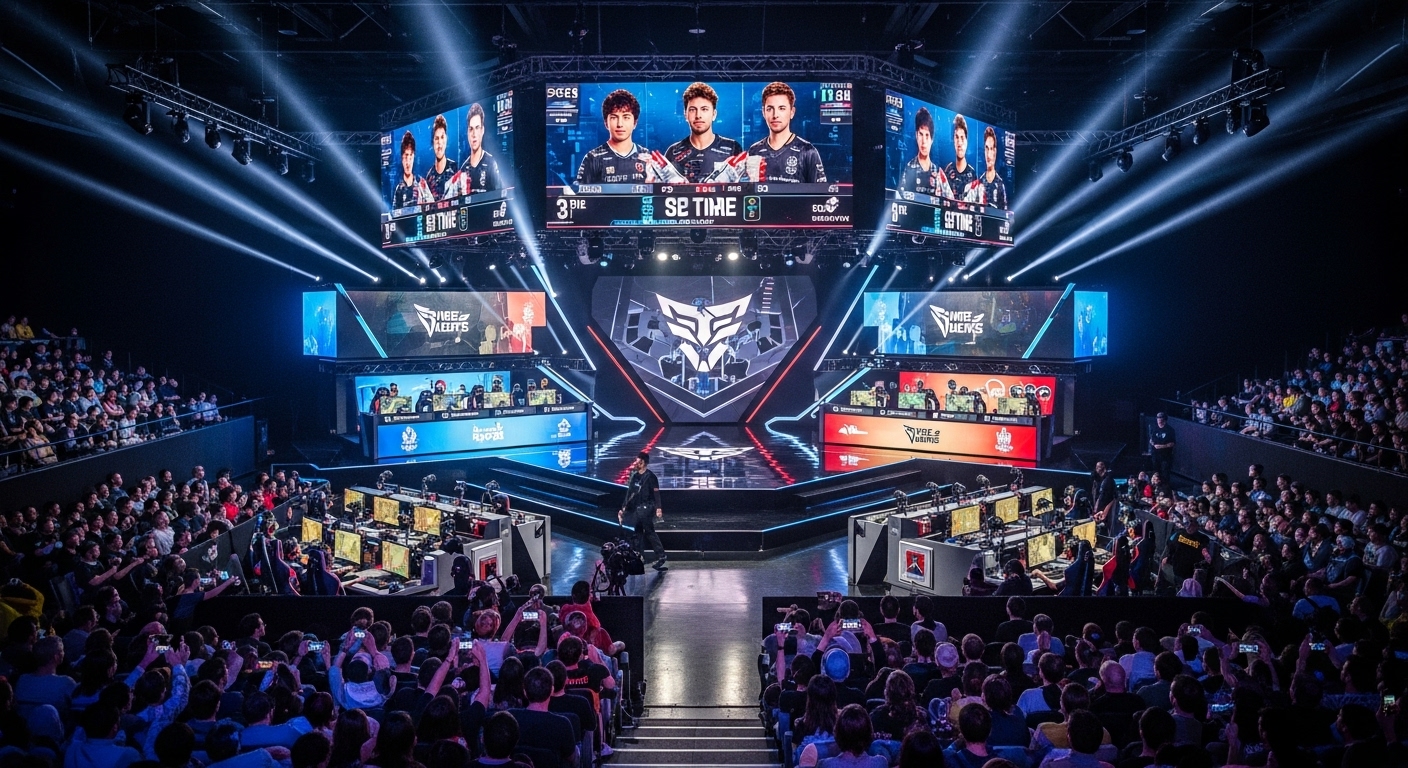
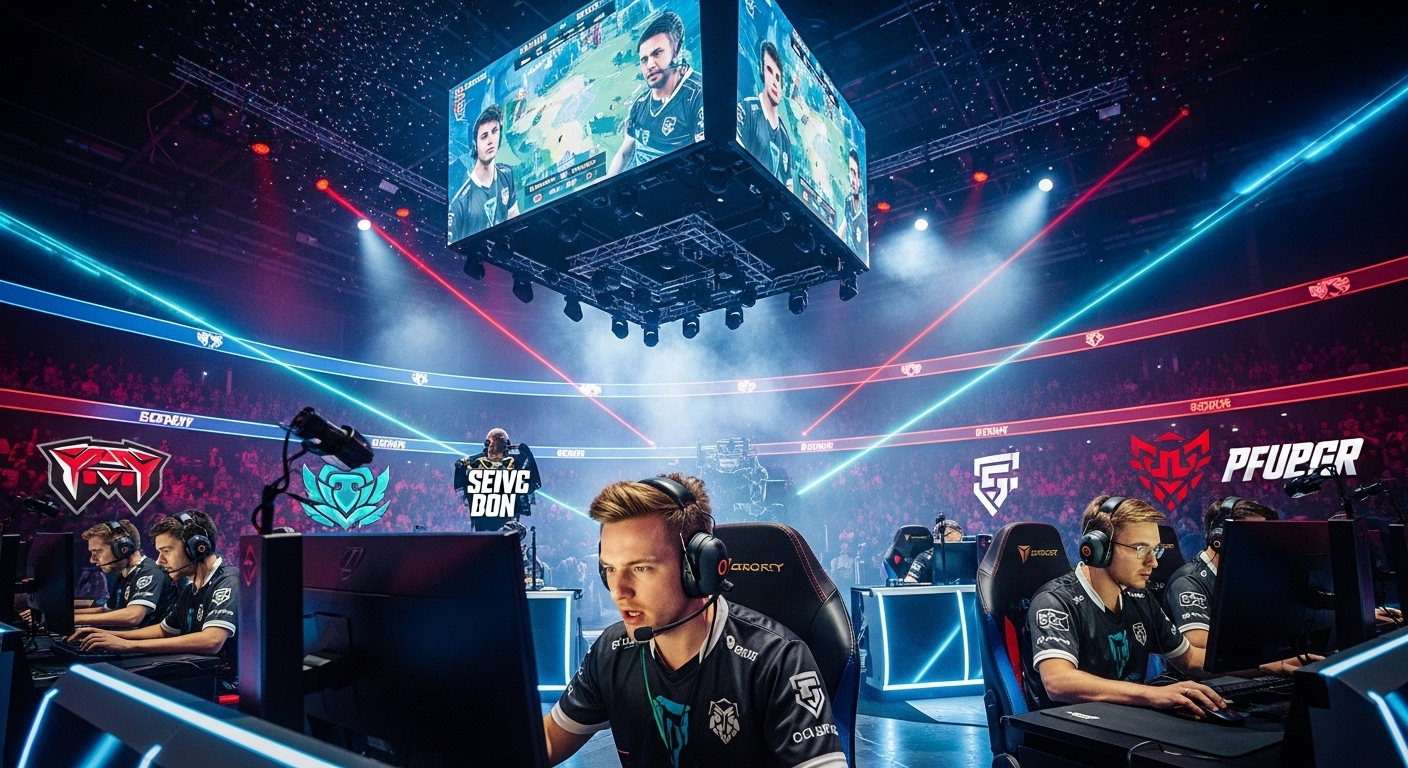
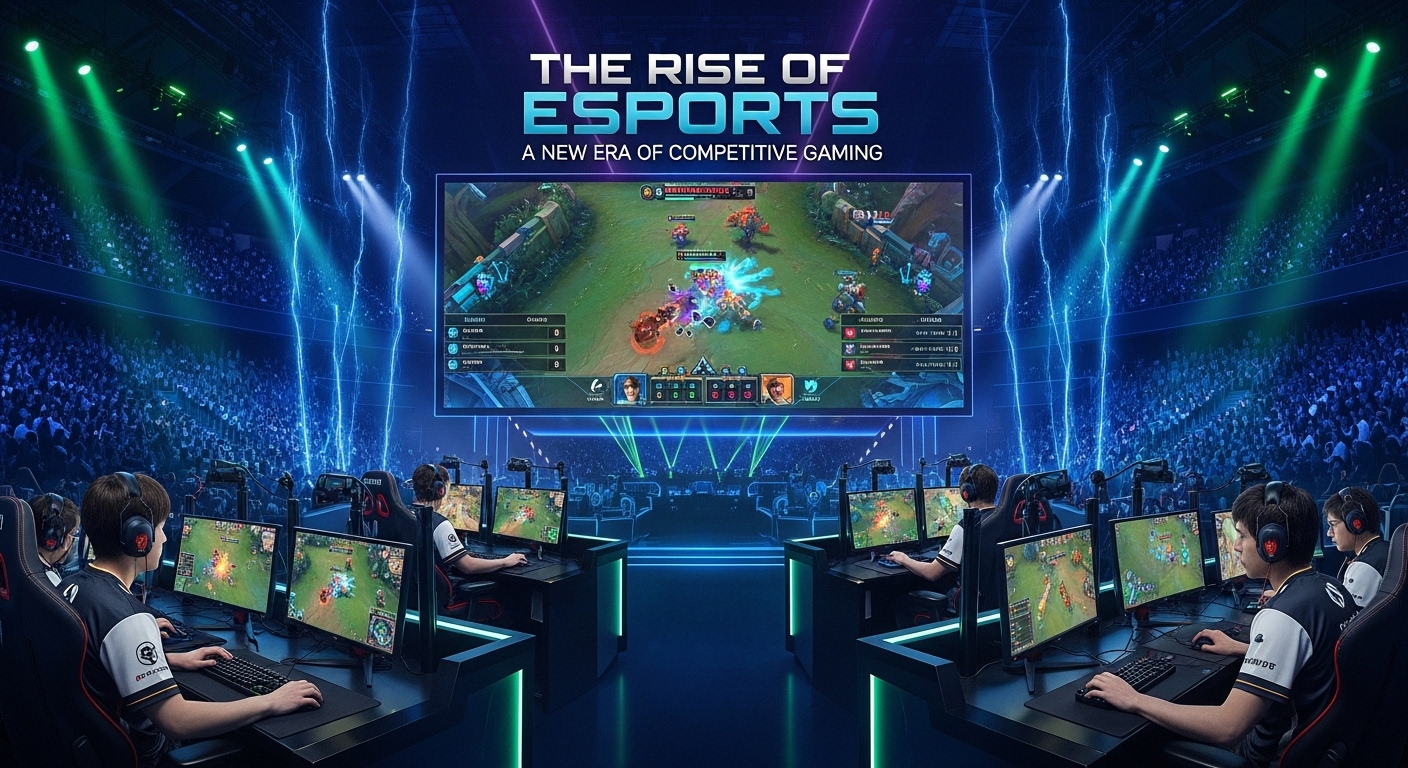
In the last two decades, the world has witnessed a new form of entertainment rise to global prominence—Esports. What began as small competitions among friends or enthusiasts has evolved into a billion-dollar industry that rivals traditional sports in viewership, sponsorship, and cultural influence. Esports, short for electronic sports, refers to organized competitive gaming where individuals or teams face off in video games for prizes, fame, and prestige. The players, now known as professional gamers, train as rigorously as athletes in physical sports, and their tournaments attract millions of fans from around the world.
The growth of Esports is not just a technological marvel but also a social and economic phenomenon. It reflects how the digital generation has reshaped entertainment, community, and competition. From humble beginnings in local LAN parties to massive arenas filled with roaring fans, Esports has transformed into one of the most exciting and inclusive aspects of modern culture.
The Early Days of Esports
The roots of Esports trace back to the 1970s and 1980s when the first video game competitions started appearing. In 1972, students at Stanford University participated in one of the earliest known gaming tournaments, featuring the game “Spacewar.” Later, arcade games like “Space Invaders” and “Pac-Man” introduced competitive leaderboards, giving players a taste of organized rivalry. The first major Esports event, the Space Invaders Championship in 1980, drew thousands of participants across the United States—a clear sign that gaming competitions had mainstream appeal.
During the 1990s, the Esports landscape expanded dramatically with the growth of PC gaming and the internet. Titles like “Doom,” “Quake,” and “StarCraft” became the foundation of organized online competitions. LAN parties, where players would connect their computers in one location to play together, became popular among dedicated gaming communities. This era also saw the emergence of the first professional players and organized leagues, setting the stage for what was to come.
The Growth of Online Gaming and Professional Leagues
The 2000s marked the true beginning of Esports as a global industry. Broadband internet allowed players to compete online without geographical barriers, creating vast new communities and competitive scenes. South Korea was one of the first nations to fully embrace Esports, with games like “StarCraft: Brood War” becoming national phenomena. Professional players became celebrities, earning sponsorships and fan followings similar to traditional athletes. Television channels dedicated to gaming were launched, broadcasting tournaments to millions of viewers.
Soon after, Esports organizations began forming structured leagues and tournaments. Events such as the World Cyber Games, Major League Gaming, and the Electronic Sports World Cup helped standardize competition formats and prize pools. The introduction of live streaming platforms in the 2010s, particularly Twitch and YouTube Gaming, revolutionized how fans engaged with Esports. Audiences could now watch their favorite players and teams live, interact in real time, and become part of a thriving online community.
Popular Esports Titles and Genres
Esports covers a vast range of genres, each with its own unique style of play, fan base, and competitive scene. Among the most popular are:
- Multiplayer Online Battle Arenas (MOBAs) – Games like “League of Legends” and “Dota 2” have defined this genre, combining strategy, teamwork, and reflex-based gameplay. Their world championships attract millions of viewers annually, and prize pools often exceed tens of millions of dollars.
- First-Person Shooters (FPS) – Titles like “Counter-Strike,” “Call of Duty,” and “Overwatch” focus on precision, strategy, and quick decision-making. They are among the oldest and most enduring Esports genres, offering fast-paced action and tactical depth.
- Battle Royale Games – In recent years, games like “Fortnite,” “PUBG,” and “Apex Legends” have taken the world by storm. These games feature large-scale battles where only one team or player survives, creating thrilling and unpredictable competitions.
- Sports Simulations – Games such as “FIFA,” “NBA 2K,” and “Madden NFL” allow fans to experience virtual versions of real sports. Esports tournaments in these games often parallel traditional sporting events, blending the two worlds seamlessly.
- Fighting Games – The fighting game community (FGC) has long been a cornerstone of Esports. Titles like “Street Fighter,” “Tekken,” and “Super Smash Bros.” emphasize individual skill, timing, and mind games.
Each of these genres contributes to the diversity and richness of the Esports landscape, ensuring that players with different interests and play styles can find their niche.
The Professional Esports Ecosystem
Behind every Esports tournament is a sophisticated ecosystem of organizations, sponsors, developers, and broadcasters. Professional teams operate like traditional sports clubs, complete with coaches, analysts, managers, and support staff. Players often sign contracts, receive salaries, and participate in boot camps where they train intensively.
Developers and publishers play a vital role by supporting competitive scenes for their games, creating balanced environments, and hosting official leagues. Sponsors, ranging from tech companies to global brands, invest heavily in Esports to reach the digital-savvy youth audience. Broadcasting companies and streaming platforms ensure that millions can watch matches live, creating new entertainment experiences.
This interconnected ecosystem has given rise to new career opportunities beyond playing, including commentators, event organizers, production crews, and content creators. Esports has become an industry where passion for gaming can translate into a sustainable profession.
Esports and Education
An interesting development in recent years is the integration of Esports into education. Many universities now offer scholarships for skilled players, recognizing Esports as both a competitive and academic pursuit. These programs teach not only gaming skills but also teamwork, strategy, digital media production, and sports management.
High schools have also begun establishing Esports clubs and leagues, encouraging students to engage in structured, goal-oriented gaming. This has helped dispel outdated stereotypes about gaming being a waste of time, highlighting instead its potential to teach discipline, leadership, and cooperation.
Cultural Impact of Esports
Esports has become a cultural phenomenon, influencing fashion, music, technology, and social media. Professional gamers enjoy celebrity status, with millions of followers across platforms. Streaming personalities and content creators have blurred the line between competition and entertainment, giving rise to a new form of digital stardom.
Music artists and brands have also embraced Esports culture, collaborating on events, theme songs, and exclusive digital items. Virtual concerts and in-game performances have attracted record-breaking audiences, showcasing how interactive entertainment can redefine culture in the digital age.
Moreover, Esports has become a form of social connection. In an era where online communities play a major role in people’s lives, gaming has become a global language that transcends borders and backgrounds. Fans from different countries unite to support their favorite teams, sharing the same excitement and passion regardless of culture or language.
Economic Growth and Global Expansion
The Esports industry’s growth has been staggering. What was once a niche hobby has become a multibillion-dollar global enterprise. Revenues come from sponsorships, media rights, merchandise, and ticket sales for live events. Major corporations now see Esports as a valuable marketing avenue to reach younger audiences who are less engaged with traditional media.
Regions such as North America, Europe, and Asia are at the forefront of Esports development. In particular, China and South Korea have established themselves as Esports powerhouses, with government support, professional infrastructure, and passionate fan bases. However, countries in South America, Africa, and the Middle East are rapidly catching up, contributing to a more diverse and competitive international scene.
Challenges Faced by the Esports Industry
Despite its rapid rise, Esports faces several challenges that must be addressed to ensure sustainable growth. One major issue is player burnout. Professional gamers often face immense pressure to perform, training for long hours daily. This can lead to fatigue and mental health issues if not managed properly.
Another challenge is the lack of a universal governing body. Unlike traditional sports, Esports operates across multiple games and platforms, each with its own rules and organizers. This fragmentation can lead to inconsistencies in regulations, player rights, and tournament standards.
Cheating and match-fixing are also concerns, as digital competitions can be vulnerable to hacking or manipulation. Developers and organizations are investing in advanced security and anti-cheat systems to maintain fair play and integrity.
Lastly, representation and diversity remain important goals for the community. While Esports is inclusive in theory, barriers still exist for women and marginalized groups. Efforts are ongoing to promote equality, create safer environments, and encourage participation from all backgrounds.
The Future of Esports
The future of Esports looks incredibly promising. Technological advancements such as virtual reality, augmented reality, and artificial intelligence are expected to enhance gameplay and viewing experiences. Virtual arenas, interactive spectator modes, and AI-powered coaching tools could redefine how Esports is played and consumed.
Moreover, Esports may soon become part of major international sporting events. Some organizations are already lobbying for its inclusion in future Olympic Games. With its global reach and digital-first nature, Esports has the potential to become the first truly borderless sport.
As generations grow up immersed in gaming culture, the line between traditional sports and Esports will continue to blur. Schools, brands, and broadcasters will adapt to the changing landscape, further legitimizing Esports as a mainstream form of competition and entertainment.
Conclusion: The Power of Digital Competition
Esports is more than just video games—it is a reflection of how technology has reshaped human creativity, competition, and connection. It unites people across continents, challenges perceptions of what it means to be an athlete, and provides opportunities that were unimaginable just a few decades ago.
From early arcade competitions to packed arenas filled with fans waving team banners, Esports has come a long way. It embodies the spirit of innovation and the passion of a generation raised in the digital era. As technology continues to evolve, Esports will only grow more immersive, inclusive, and inspiring, solidifying its place as one of the defining cultural movements of the 21st century.
In the end, the story of Esports is not just about games—it’s about people, passion, and the limitless possibilities of human achievement in the digital age.