What Is Esports?
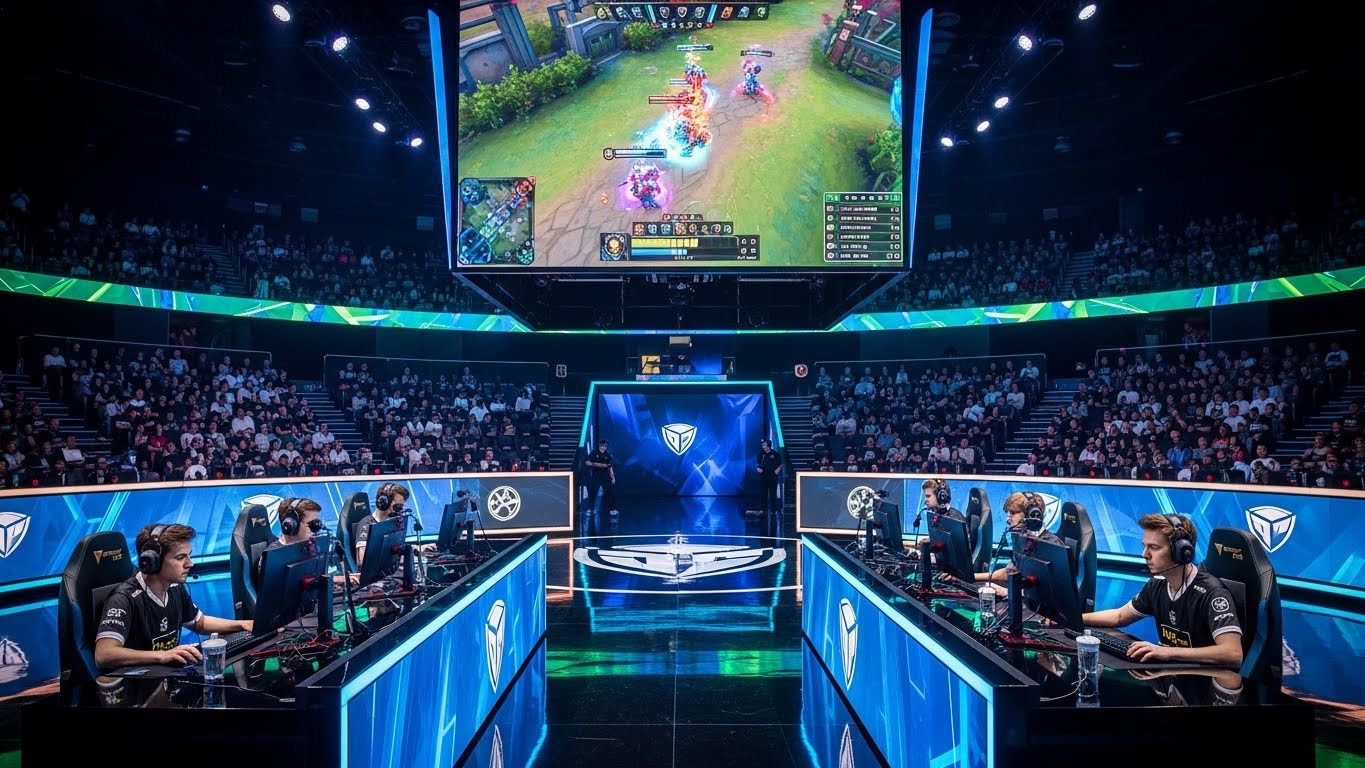
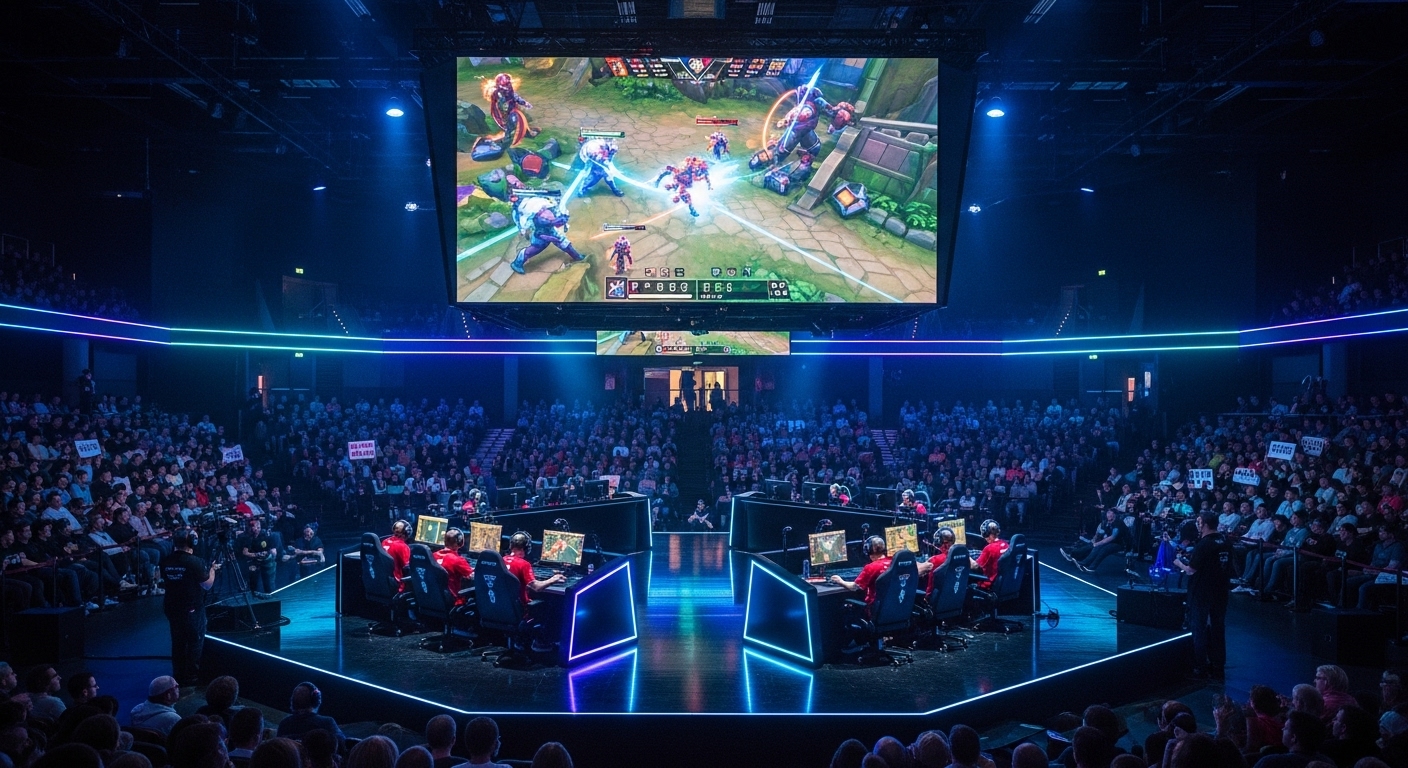
Esports, short for electronic sports, refers to competitive video gaming where individuals or teams compete in organized tournaments. While competitive gaming has been around for decades, it has skyrocketed in popularity in recent years, growing into a multi-billion-dollar industry. Esports includes a variety of game genres, from real-time strategy games to first-person shooters and multiplayer online battle arenas. The rise of streaming platforms like Twitch and YouTube has also made esports more accessible, allowing fans to watch live events from the comfort of their homes.
The Growth of Competitive Gaming
Esports began as small-scale competitions in arcades and local gaming centers in the 1980s. The earliest major tournament was the 1980 Space Invaders Championship, which attracted around 10,000 participants. However, it wasn’t until the 2000s, with the emergence of online multiplayer games like StarCraft and Counter-Strike, that esports began to form into the structured competitive scene we know today. These games brought together players from around the world, allowing them to compete online and form global communities.
The real explosion of esports happened with the advent of games like League of Legends and Dota 2, which combined complex gameplay with a large, passionate player base. Esports events began to gain substantial viewership, with millions of people tuning in to watch professional players battle it out for large cash prizes.
The Appeal of Esports
Esports appeals to a wide range of people for various reasons. First, it offers an accessible entry point. Anyone with a computer or gaming console can participate, whether casually or professionally. Moreover, the skill-based nature of competitive gaming, where players must master complex strategies and quick reflexes, is what keeps the audience engaged. For viewers, esports offers the thrill of watching high-stakes matches with commentary and analysis that provide an in-depth look at the strategies employed by the players.
The community aspect also plays a large role in the popularity of esports. Players and fans interact through online forums, social media, and live events. This sense of camaraderie has helped esports grow from a hobby to a full-fledged culture. Whether you’re watching from a stadium or your living room, there’s a shared excitement that unites people across the globe.
Esports as a Career Path
One of the most significant changes in the esports world is the transformation of gaming from a hobby into a legitimate career. Professional esports players train rigorously, just like athletes in traditional sports. They practice for hours every day, study game mechanics, and work closely with coaches and analysts to perfect their strategies. In addition to prize money from tournaments, top players earn income from sponsorships, merchandise sales, and live-streaming on platforms like Twitch.
The growth of esports has created a wide variety of career opportunities beyond just playing. People work as coaches, analysts, event organizers, broadcasters, and content creators. Universities have also started offering scholarships for aspiring esports athletes, and some schools even have their own competitive teams. What was once a niche job is now a viable and profitable career choice for many.
The Impact of Esports on the Entertainment Industry
Esports has fundamentally changed the entertainment industry. The rise of live-streaming and digital content has allowed esports to reach audiences far beyond traditional sports fans. Major tournaments like The International (for Dota 2) and the League of Legends World Championship attract millions of viewers across the globe, sometimes even surpassing viewership numbers for mainstream sports events.
In addition to viewership, esports has become a huge source of revenue through advertising, sponsorships, and merchandise. Brands from all industries are investing in esports, recognizing its massive reach and potential to engage younger audiences. Gaming hardware companies, energy drink brands, and even non-endemic brands like car manufacturers and luxury goods are all partnering with esports organizations.
Challenges Faced by Esports
Despite its rapid growth, esports faces several challenges. One of the biggest concerns is the well-being of professional players. Many esports athletes are young and face immense pressure to perform at the highest level, which can lead to burnout, stress, and mental health issues. In addition, players are often subjected to long hours of training, and the physically demanding nature of gaming can lead to repetitive strain injuries.
Another challenge is the issue of cheating and match-fixing. As the stakes in esports grow, so does the temptation to use illegal software or engage in unethical practices to gain an edge. Organizations and tournament organizers are working hard to implement strict anti-cheat measures and enforce fair play, but it remains an ongoing issue.
The Future of Esports
The future of esports is incredibly promising. As technology advances, esports will continue to evolve. Virtual reality (VR) and augmented reality (AR) could play a significant role in making esports more immersive for players and viewers. Moreover, mobile gaming has opened up new possibilities for competitive play, with games like PUBG Mobile and Free Fire attracting millions of players.
Esports is also becoming increasingly integrated into mainstream media. Major television networks and digital platforms are now broadcasting esports events, and there’s even talk of esports being included in the Olympic Games. With such widespread attention and investment, esports is expected to continue its upward trajectory, becoming an even more integral part of global entertainment.
Conclusion
Esports has grown into a powerful and influential industry, transforming competitive gaming into a global spectacle. With its broad appeal, professional opportunities, and widespread viewership, esports is shaping the future of entertainment. As technology and culture continue to evolve, esports will undoubtedly continue to push the boundaries of what’s possible in the digital realm. Whether you’re a player, a fan, or simply curious, it’s clear that esports is here to stay and will only get bigger in the years to come.