Introduction: Esports Emerges as a Global Phenomenon
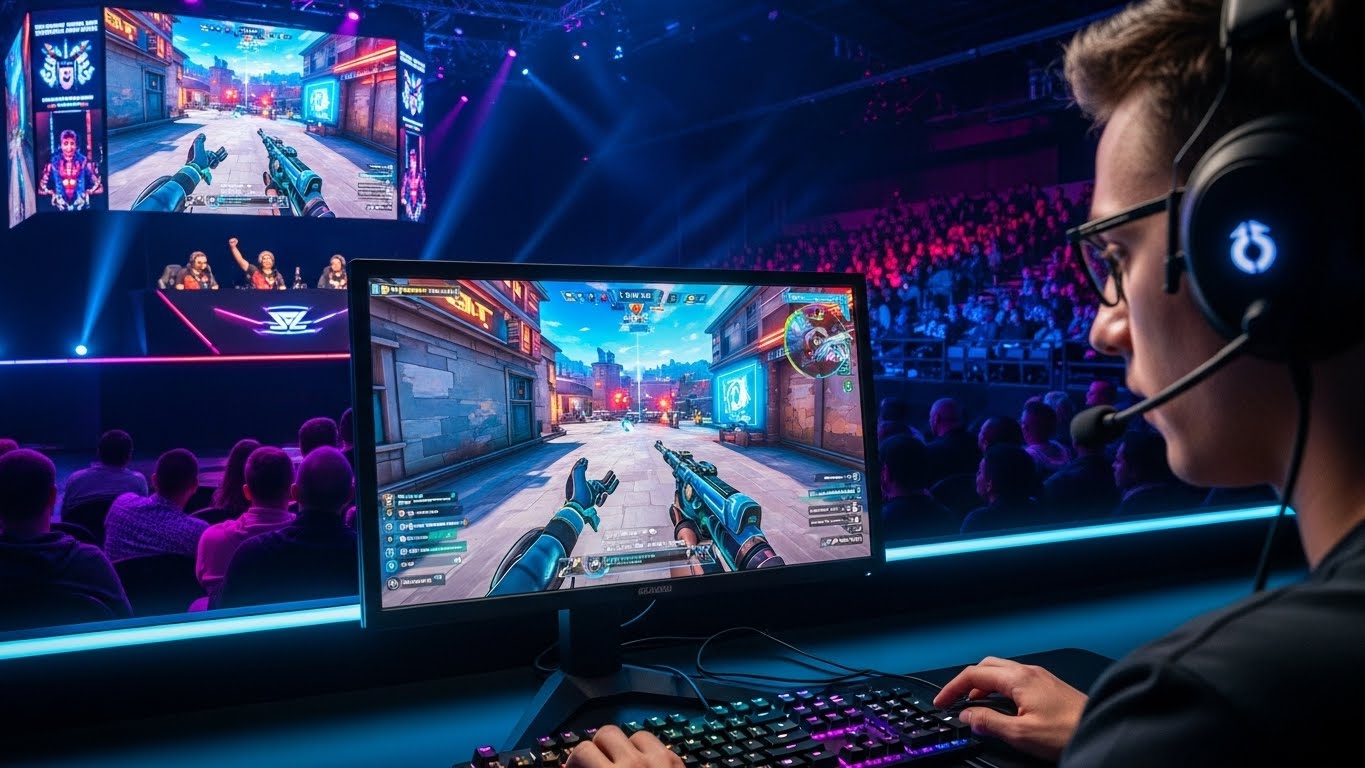
Esports, or competitive video gaming, has rapidly evolved from a casual hobby into a major global industry. Millions of players and fans around the world participate in online tournaments, follow professional teams, and engage with live-streamed competitions. More than just entertainment, esports combines strategy, skill, and teamwork, creating a digital arena that rivals traditional sports in both excitement and popularity.
The Growth of Esports
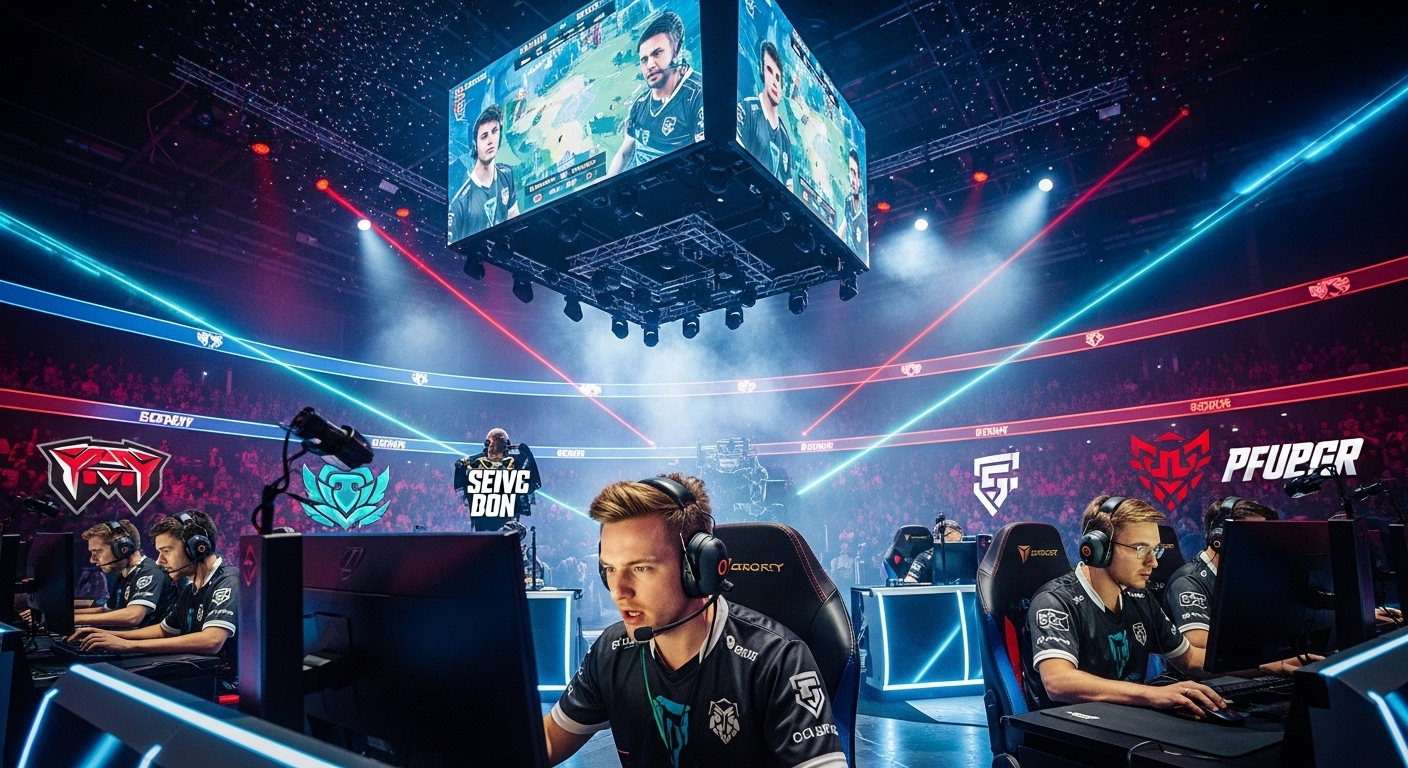
The journey of esports began with small-scale gaming competitions among friends and local communities. Early tournaments were informal, held in arcades or gaming centers. With high-speed internet and streaming platforms, competitive gaming reached a global audience. Today, esports tournaments fill arenas, attract sponsorships, and offer multi-million-dollar prize pools. The growth of esports reflects the integration of technology, culture, and professional competition.
Popular Esports Genres
Esports is diverse, with different games appealing to a variety of players and audiences:
- Multiplayer Online Battle Arena (MOBA): Games like League of Legends and Dota 2 require teamwork, strategy, and fast decision-making.
- First-Person Shooter (FPS): Titles such as Counter-Strike and Call of Duty test reflexes, precision, and coordination.
- Battle Royale: Games like Fortnite and PUBG combine survival, strategy, and fast-paced action.
- Sports Simulations: FIFA and NBA 2K bring real-world sports into the competitive digital space.
- Fighting Games: Street Fighter and Tekken emphasize timing, skill, and one-on-one tactical battles.
Each genre has its own dedicated fan base and contributes to the rapid expansion of the esports community.
Benefits of Esports
Esports offers more than entertainment; it provides cognitive, social, and professional advantages:
- Skill Enhancement: Players develop critical thinking, reflexes, and strategic planning.
- Teamwork and Communication: Multiplayer games encourage collaboration and problem-solving.
- Career Opportunities: Professional gaming, coaching, analysis, and streaming offer viable career paths.
- Global Community: Esports connects players and fans from different cultures and countries.
- Entertainment Value: High-level competition and live events provide thrilling experiences for spectators.
These benefits show that esports is a multidimensional platform that promotes learning, engagement, and personal growth.
Challenges Facing Esports
Despite its popularity, esports faces challenges. Competitive pressure can lead to stress and burnout. Toxic behavior and cheating remain ongoing issues in online communities. Access to resources, sponsorship, and professional opportunities is uneven across regions, affecting player development. Addressing these challenges is crucial to maintaining the integrity and sustainability of the industry.
The Future of Esports
The future of esports is bright and full of potential. Emerging technologies such as virtual reality, augmented reality, and AI-driven game development will create more immersive experiences. Educational institutions are increasingly recognizing esports as a legitimate field, offering programs and scholarships. As esports continues to grow, it will further blur the line between gaming, entertainment, and professional competition, securing its place in mainstream culture.
Conclusion
Esports has transformed the way people play, watch, and engage with video games. It combines skill, strategy, and global connectivity, creating a unique form of competition that appeals to millions. As technology advances and the industry matures, esports will continue to inspire players, unite communities, and redefine the future of digital entertainment.