Introduction
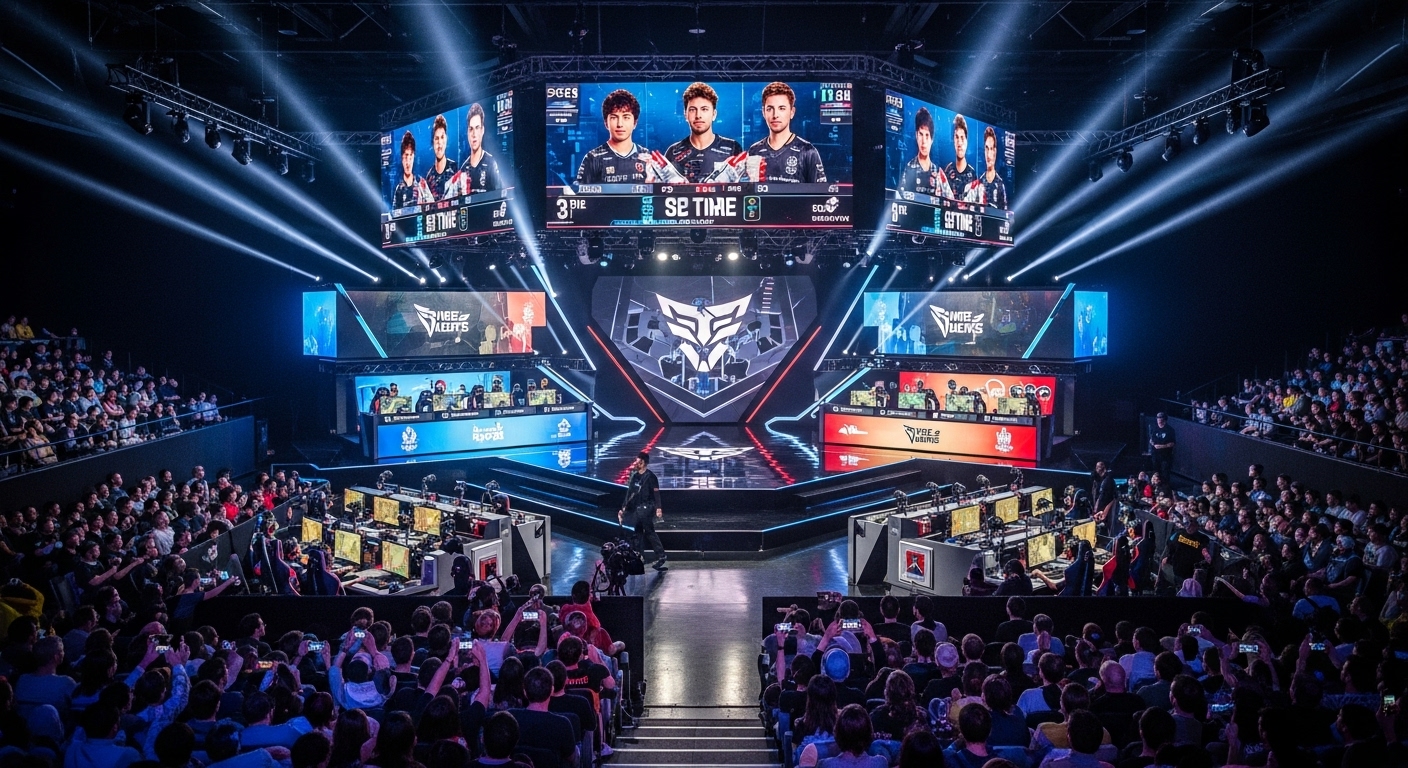
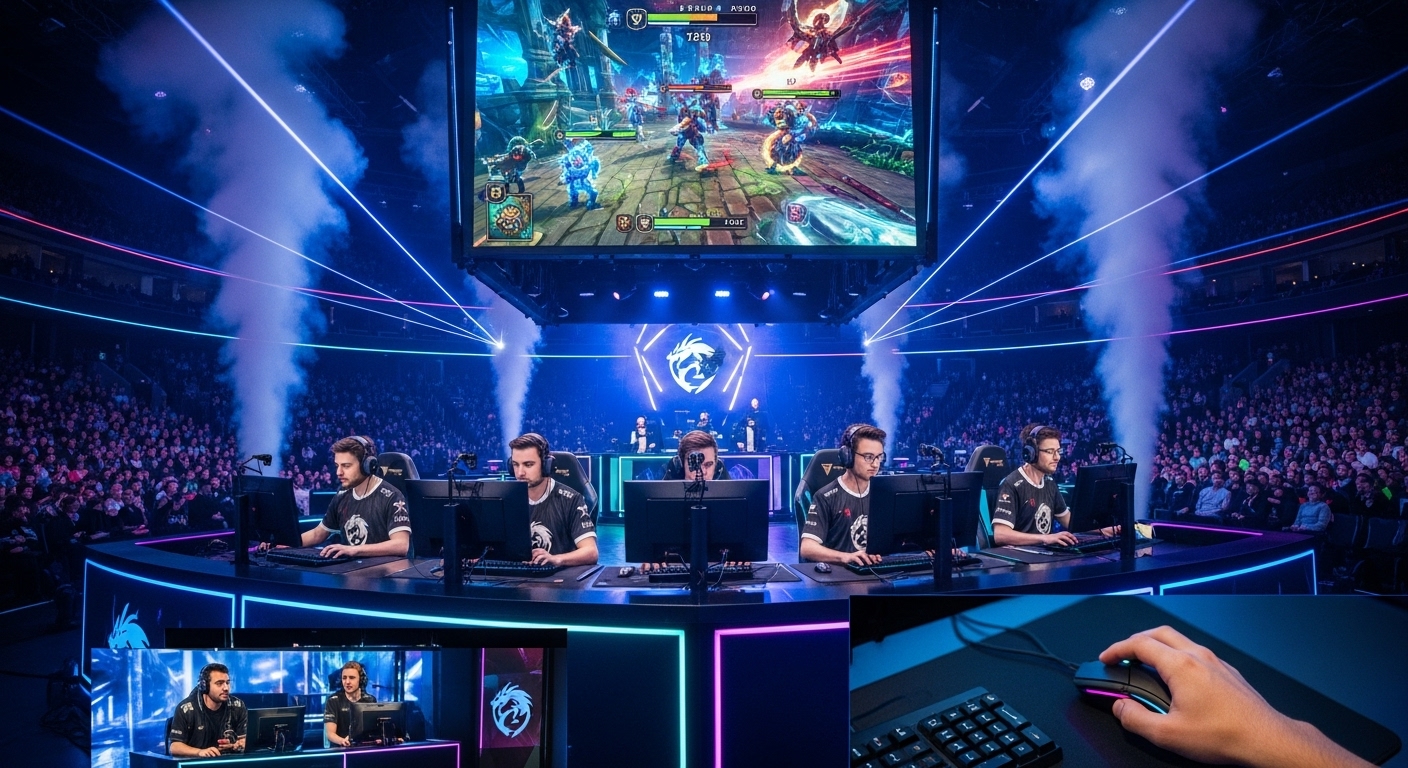
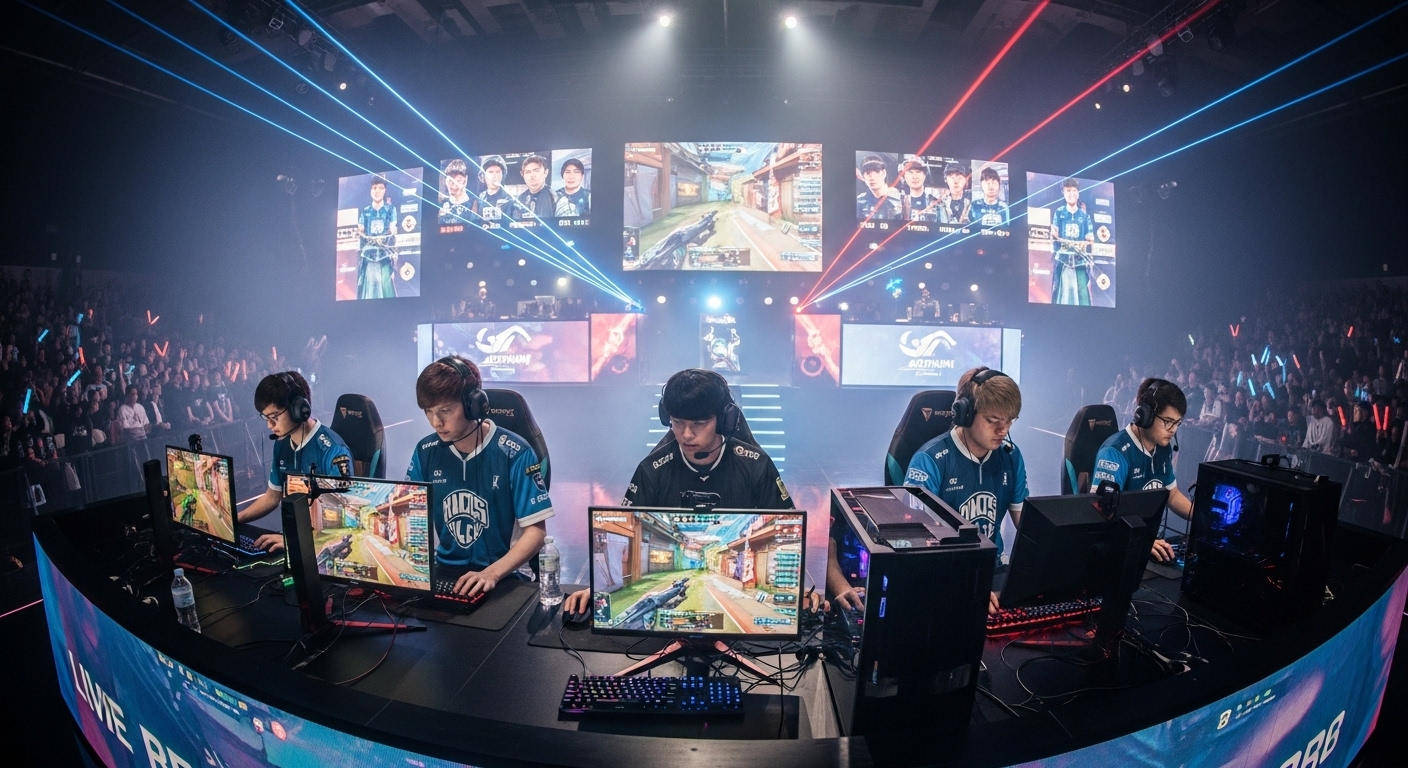
In the last two decades, esports has evolved from a small, underground hobby to a global entertainment phenomenon. What began as casual competitions among friends has transformed into a professional industry that attracts millions of viewers, sponsors, and investments. Esports, short for electronic sports, represents organized competitive gaming where individuals or teams face off in various video games for fame, glory, and substantial prize pools. The journey of esports from local LAN parties to sold-out arenas and international tournaments reflects the power of technology, community, and passion. This blog explores the development, culture, influence, and future of esports, tracing its incredible rise to prominence in modern society.
The Early Days of Competitive Gaming
The origins of esports date back to the late 1970s and early 1980s when video games were first becoming popular in arcades and on early consoles. In 1972, the first known video game competition took place at Stanford University, where students played Spacewar! for a small prize. Later, arcade titles like Pac-Man, Donkey Kong, and Space Invaders gave birth to high-score competitions that inspired early gaming communities.
The 1990s marked a turning point with the arrival of the internet and personal computers. Games like Doom and Quake allowed players to compete over local networks, leading to the first online multiplayer tournaments. The 1997 Red Annihilation tournament for Quake is often considered one of the first real esports events, offering a Ferrari as the grand prize. Around the same time, StarCraft became a sensation in South Korea, setting the stage for the first professional gaming leagues and televised matches.
The Role of South Korea in Esports Development
When discussing the rise of esports, South Korea deserves special recognition. During the early 2000s, the country became the global hub of competitive gaming. Government investment in high-speed internet infrastructure and cultural acceptance of gaming led to the establishment of professional leagues, team houses, and dedicated esports channels. Games like StarCraft: Brood War turned players into celebrities, and packed arenas became a common sight. South Korea’s model of professional gaming inspired other nations and laid the foundation for today’s global esports structure.
Professional organizations, sponsorship deals, and structured tournaments began to appear. Players received salaries, team uniforms, and even fan clubs. This professionalization transformed gaming from a pastime into a legitimate career path. The success of South Korea’s esports culture demonstrated that gaming could be both profitable and culturally respected.
The Explosion of Esports in the 2000s
The 2000s saw esports move from a niche community to a growing international industry. Titles such as Counter-Strike, Warcraft III, and Dota created new competitive ecosystems, while the rise of broadband internet made global tournaments possible. The World Cyber Games and Electronic Sports World Cup emerged as international platforms for players to represent their countries, similar to the Olympics.
At the same time, online platforms like YouTube and later Twitch provided a new way for audiences to watch competitions live. This shift eliminated the need for traditional television and allowed esports to reach millions of viewers directly. Streaming democratized esports viewership, giving fans access to live events, commentary, and behind-the-scenes interactions with their favorite players.
Esports as a Career Path
The perception of gaming as an unproductive hobby has changed dramatically. Today, professional players, coaches, analysts, and streamers earn full-time incomes through salaries, sponsorships, and streaming revenues. Prize pools have grown to staggering amounts—some tournaments now offer millions of dollars in rewards. For example, global events for games like Dota 2, Fortnite, and League of Legends have set records for prize money and viewership.
Behind the players stands a growing ecosystem of professionals: commentators, production staff, event organizers, and marketing experts who work to deliver high-quality entertainment. Universities and organizations have also recognized the potential of esports, offering scholarships, training facilities, and academic programs focused on game studies and esports management.
The Impact of Streaming and Social Media
Streaming has been one of the most influential factors in the success of esports. Platforms such as Twitch, YouTube Gaming, and Facebook Gaming allow players to broadcast their gameplay and interact with fans in real time. This interactivity builds strong communities and personal brands around players and teams. Unlike traditional sports, where fans often rely on media coverage, esports fans can directly engage with their idols and gain insights into their training routines and personalities.
Social media also plays a crucial role in promoting esports culture. Teams and players use platforms to announce matches, celebrate victories, and connect with fans. The viral nature of memes, highlights, and short clips spreads esports moments far beyond its core audience, making it accessible to casual viewers and even non-gamers.
The Globalization of Esports
While Asia, especially South Korea and China, led the early charge, esports has now become a global movement. North America, Europe, and emerging regions like the Middle East and South America have established strong esports communities and organizations. International tournaments often feature teams from multiple continents competing for glory, and language barriers have been bridged through global broadcasting and translation efforts.
Franchised leagues, similar to traditional sports, have become common. The Overwatch League and League of Legends Championship Series operate with city-based teams, mirroring the structure of football or basketball leagues. This format brings regional pride and consistent competition, further legitimizing esports in the eyes of mainstream audiences.
Esports in the Education Sector
The inclusion of esports in education has been a fascinating development. Many universities now recognize esports as a legitimate athletic pursuit, offering scholarships to talented players. Schools use esports to teach teamwork, strategy, and leadership. Academic programs explore topics such as game design, digital marketing, and event management, giving students pathways into the growing gaming industry.
Esports clubs in high schools and universities also help foster a sense of community among students. These programs emphasize mental discipline, communication, and strategic thinking, similar to traditional sports teams. The educational embrace of esports shows its growing influence and social value beyond simple entertainment.
The Economic Power of Esports
The esports economy has grown into a billion-dollar industry. Sponsorships, advertising, media rights, and merchandise sales drive its financial engine. Global brands from technology, automotive, and fashion industries have entered the esports scene to reach younger, digital-native audiences. Esports events fill stadiums, and millions watch online, creating enormous exposure opportunities for brands.
Esports organizations function similarly to sports franchises, with business models that include player contracts, brand endorsements, and merchandise lines. This professional structure attracts investors and helps sustain long-term growth. As technology continues to advance, the line between physical and digital sports continues to blur, opening new economic opportunities.
Cultural Influence of Esports
Esports has become a cultural force that shapes entertainment, fashion, and even language. Gaming slang, emotes, and trends influence online culture globally. Esports athletes enjoy celebrity status, appearing in advertisements and collaborating with musicians and fashion designers. The blend of digital creativity and competition appeals to younger generations, who view gaming not just as play but as a form of self-expression.
Moreover, esports has changed how people connect. Communities form around shared passion, transcending national and cultural boundaries. Fans from different countries unite under the same team banner, demonstrating how esports bridges divides in ways few other activities can.
Challenges in the Esports Industry
Despite its success, esports faces several challenges. Player burnout is a major issue, as professional gamers often train for long hours with little rest. Mental health support, work-life balance, and career longevity are growing concerns. Additionally, maintaining competitive integrity through fair play and anti-cheating measures remains critical to preserving trust in the industry.
Another challenge is ensuring inclusivity and diversity. The esports community continues to work toward creating a more welcoming environment for all genders and backgrounds. Addressing issues like harassment, toxic behavior, and representation will determine the long-term health of the ecosystem.
Technology and the Future of Esports
Technological innovation continues to drive esports forward. Virtual reality, augmented reality, and cloud gaming are opening new possibilities for immersive experiences. Faster internet speeds and powerful hardware enable smoother gameplay and more engaging broadcasts. Artificial intelligence may play a role in coaching, training, and analyzing player performance.
As esports continues to integrate with mainstream entertainment, collaborations with film, music, and fashion are expanding. The potential for cross-media storytelling is vast. Esports tournaments might soon combine live performances, digital art, and audience interactivity, creating hybrid events unlike anything else.
The Social Impact of Esports
Beyond competition, esports serves as a platform for social interaction and personal growth. Many players find belonging and friendship within gaming communities. For individuals who struggle with social anxiety or physical limitations, esports offers a way to engage, compete, and express themselves on equal footing.
Esports also promotes global awareness and cultural exchange. Players and fans learn about other cultures through international tournaments, developing respect and understanding across borders. In an increasingly digital world, esports provides a model for global connectivity and unity.
Esports and Traditional Sports: A Convergence
Traditional sports organizations have recognized the potential of esports and begun to invest heavily in the industry. Major football, basketball, and racing teams have established esports divisions to reach younger audiences. This collaboration has led to hybrid events where digital and physical sports intersect, such as virtual racing leagues or football clubs hosting esports tournaments.
The convergence of esports and traditional sports highlights a broader trend—the blending of physical and digital entertainment. As both industries evolve, they are likely to learn from each other in terms of training methods, fan engagement, and business strategies.
Women in Esports
Although the esports scene has historically been male-dominated, women are making significant strides. Female players, casters, and content creators are gaining recognition and breaking barriers. Initiatives and tournaments dedicated to women in gaming aim to provide safe spaces for competition and visibility. Representation is gradually improving, and the push for equality continues to gain momentum.
The participation of women enriches esports with diversity, creativity, and new perspectives. As more inclusive policies and mentorship programs emerge, the industry is becoming more balanced and reflective of its global audience.
The Role of Fans and Community
Esports thrives on its passionate fanbase. Fans create art, memes, and community content that sustain the culture between major events. The interactive nature of streaming and social media strengthens the bond between fans and players, giving esports a unique sense of intimacy compared to traditional sports.
Fan involvement extends to crowdfunding, merchandise, and in-game purchases that support their favorite teams. Esports fans are more than spectators—they are active participants shaping the industry’s direction and success.
The Future Outlook of Esports
Looking ahead, esports shows no signs of slowing down. It continues to grow in popularity, revenue, and mainstream acceptance. Technological advancements will further enhance production quality and fan engagement. Virtual arenas, holographic projections, and metaverse-style experiences could redefine how audiences watch and interact with events.
Education, health, and social institutions will continue to integrate esports as a tool for development, communication, and innovation. Governments and organizations worldwide are beginning to recognize esports as a legitimate form of competition, even exploring inclusion in multi-sport events.
Conclusion
Esports represents more than just gaming; it symbolizes a cultural and technological revolution. From humble beginnings in arcades and university halls to grand stages filled with roaring fans, esports has redefined entertainment for the digital age. It unites people through competition, creativity, and community.
As the industry matures, it will continue to face challenges, but its spirit of innovation and inclusivity will keep pushing boundaries. Whether as a player, fan, or creator, everyone who participates in esports contributes to its legacy. In this ever-evolving digital landscape, esports stands as a testament to human passion and the limitless potential of interactive entertainment.