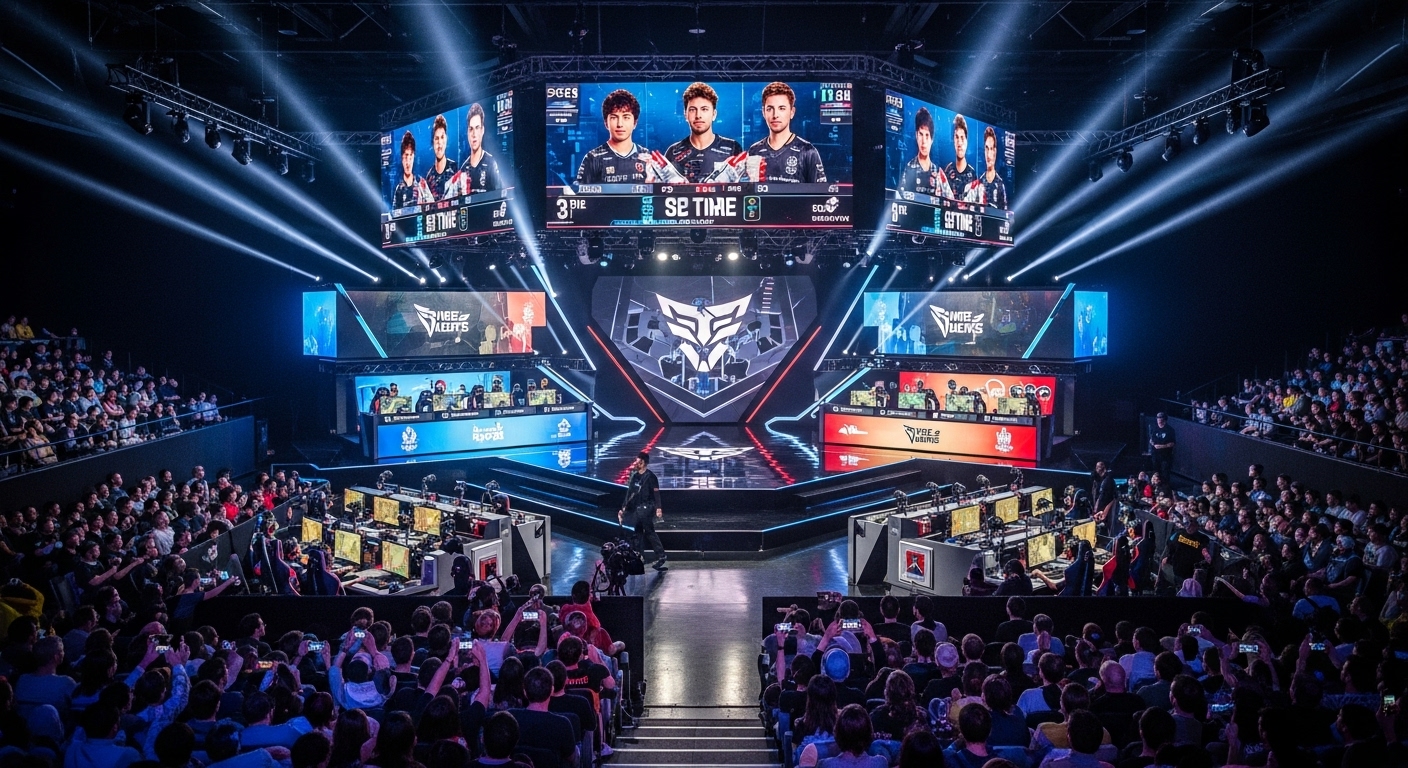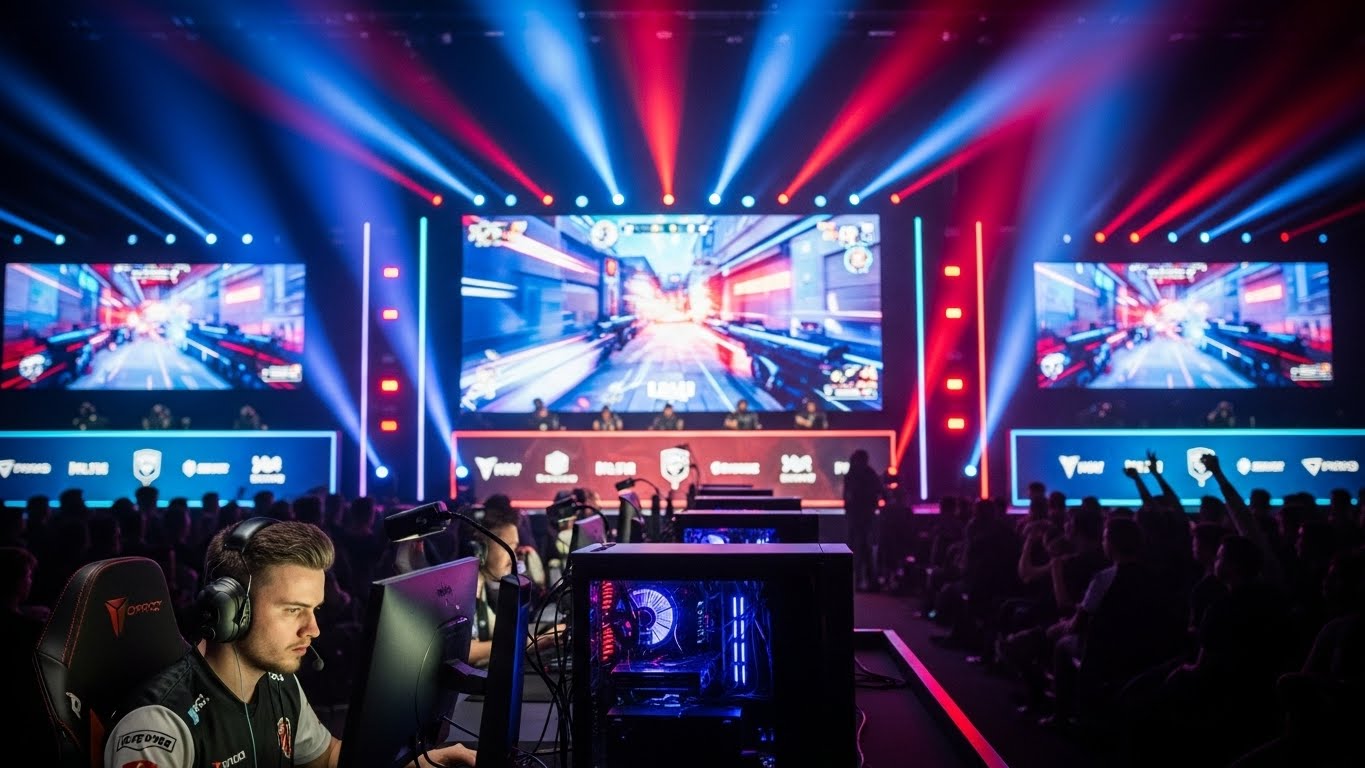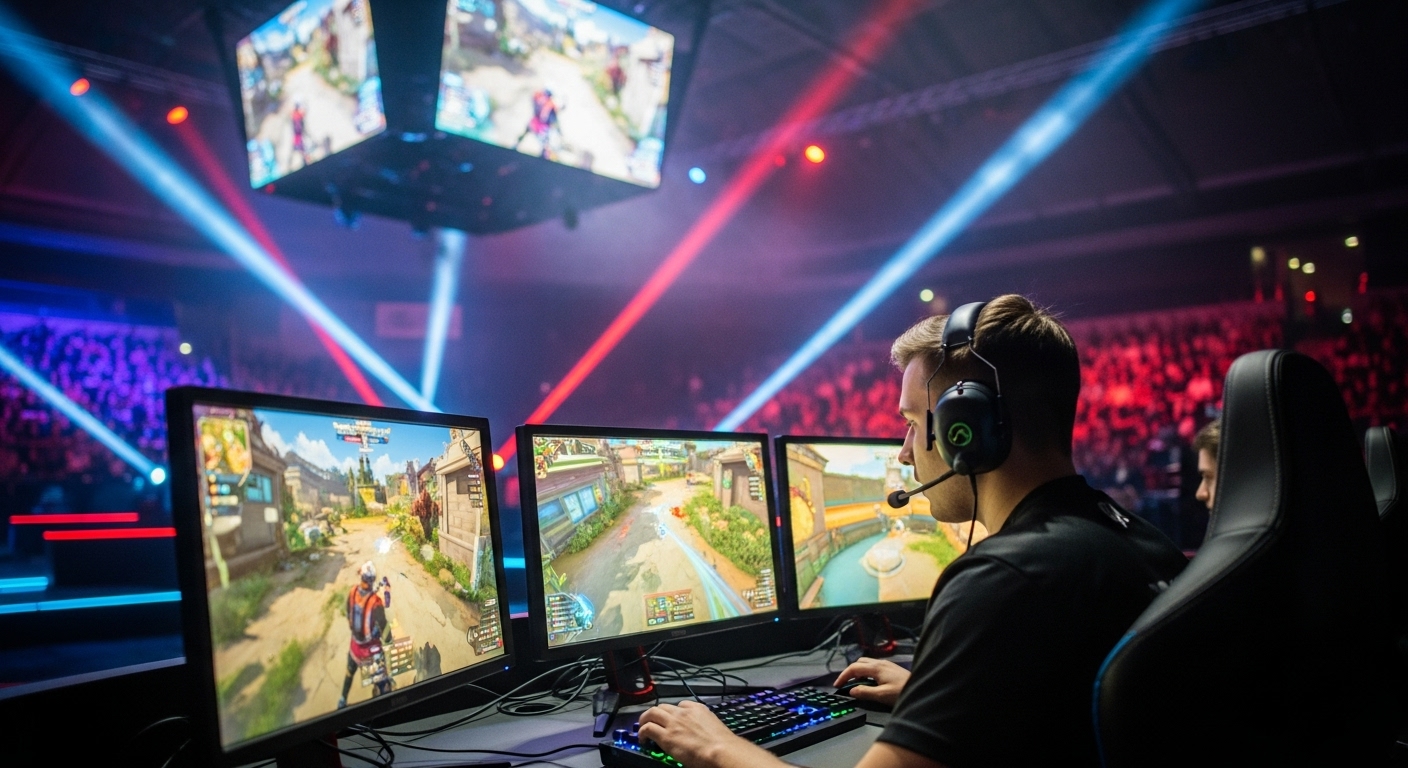
In the world of esports, the competition does not end when the final match timer runs out. The thrill continues beyond the gameplay through post-match analysis shows, where experts, former pros, and passionate analysts break down what just happened. These shows are where fans get a deeper understanding of strategy, performance, and the human stories behind every play. Post-match analysis shows have evolved from simple recaps into sophisticated productions that rival traditional sports broadcasts in quality, depth, and entertainment. This blog explores some of the best post-match analysis shows in esports, examining what makes them so engaging and influential within the gaming community.
The Rise of Post-Match Analysis in Esports
In the early days of esports, commentary and analysis were often limited to brief summaries after matches. Casters might mention who performed well or highlight a standout play, but there was little structure or depth. As esports matured into a professional industry, post-match shows began to mirror those seen in traditional sports like football or basketball. Fans wanted more than just flashy highlights—they craved context, expert breakdowns, and player perspectives.
This demand led to the rise of dedicated post-match analysis segments hosted by experts who not only knew the games inside out but could also translate complex strategies into entertaining and understandable discussions. Whether it’s breaking down a team’s economy management in Counter-Strike 2, a draft strategy in Dota 2, or team fights in League of Legends, these shows help audiences appreciate the deeper layers of competitive gaming.
The Role of Analysts and Experts
A great post-match show is only as good as its analysts. The best esports analysis panels are filled with former professional players, experienced coaches, and talented broadcasters who bring both technical knowledge and charisma. Analysts serve a dual purpose: they educate the audience and enhance the emotional weight of the match.
What sets top-tier analysts apart is their ability to read the game beyond statistics. They understand player psychology, team dynamics, and the evolution of meta strategies. When these insights are presented with enthusiasm and clarity, viewers gain a much richer understanding of what unfolded during the match.
League of Legends: LEC and LCS Analyst Desks
The League of Legends European Championship (LEC) and North American League Championship Series (LCS) have some of the best post-match analysis shows in esports. The LEC desk, in particular, has earned praise for blending deep insights with a sense of humor and showmanship. Analysts such as Caedrel, Vedius, and Ender have become household names among fans.
After each match, the LEC analyst desk dives into replays, examines team compositions, and debates key moments that determined victory or defeat. They often use telestration tools to highlight player positioning or ability usage, making even the most complex strategies easy to follow.
The LCS also offers a strong post-match analysis experience, featuring analysts like Emily Rand and MarkZ, who provide thoughtful takes on player performance and team development. Both regions have found ways to balance serious breakdowns with entertainment, creating a welcoming environment for casual fans and dedicated esports enthusiasts alike.
Counter-Strike: The Analyst Desk Legacy
Few esports have perfected post-match analysis like Counter-Strike. From CS:GO to Counter-Strike 2, tournaments such as ESL Pro League and BLAST Premier have become synonymous with elite-level analytical coverage. Analysts like Janko “YNk” Paunović, Mathieu “Maniac” Quiquerez, and Chad “SPUNJ” Burchill have set the gold standard for tactical breakdowns.
These experts bring a wealth of experience, having played at the highest levels themselves. Post-match segments often include detailed looks at team strategies, economy management, and clutch plays that shifted momentum. What makes Counter-Strike analysis so captivating is its balance of emotion and intellect. Analysts aren’t afraid to criticize poor decisions or celebrate brilliant teamwork, creating a genuine dialogue that feels authentic to the fans.
Moreover, the chemistry among Counter-Strike analysts adds to the experience. Joking, debating, and sometimes even arguing, they turn every post-match segment into a dynamic conversation. This human element makes fans feel like part of a larger community engaged in a passionate discussion about the game they love.
Dota 2: The International’s Analytical Brilliance
When it comes to depth and production quality, few events rival Dota 2’s The International. The post-match analysis panels at TI are legendary for their insight, energy, and drama. Analysts like Kyle Freedman, BSJ, and Sheever bring a combination of humor, expertise, and charisma that captivates audiences worldwide.
After every match, the panel dissects drafts, evaluates player decisions, and predicts future trends. What makes Dota 2’s post-match shows so unique is the focus on strategic layers. Drafts and item builds are heavily scrutinized, and every decision—no matter how small—is considered in the context of the team’s larger strategy.
The International also emphasizes storytelling. Analysts often connect in-game events to players’ histories, rivalries, and career arcs. This narrative-driven approach adds emotional weight, transforming a simple match into a chapter in esports history.
Valorant: Fresh Energy and Innovation
As a newer esport, Valorant has quickly developed a reputation for high-quality broadcasts, and its post-match analysis shows are no exception. Riot Games’ production team has invested heavily in building a professional and engaging analyst desk that combines tactical insight with entertainment.
Analysts such as Sean Gares, Mimi “aEvilcat” Wermcrantz, and Jess “JessGOAT” Bolden bring unique perspectives to the table. They use detailed replays and statistical overlays to break down team compositions, agent selections, and round-by-round decision-making. Valorant’s hybrid of tactical and ability-based gameplay makes post-match analysis particularly rich, allowing analysts to discuss both mechanical execution and creative strategy.
The energy on Valorant desks often mirrors the youthful enthusiasm of its player base. The balance of humor, data, and tactical analysis has helped Valorant carve out a distinct identity in the world of post-match esports shows.
Overwatch League: Dynamic Storytelling and Emotion
The Overwatch League may have faced ups and downs in its structure, but its post-match shows have consistently delivered strong storytelling and production quality. Analysts like Soe Gschwind, Custa, and Reinforce provide thoughtful breakdowns of team compositions and hero rotations, translating Overwatch’s chaotic gameplay into digestible takeaways.
What stands out in the Overwatch League’s analysis coverage is its focus on emotional storytelling. Post-match interviews and desk discussions often highlight player journeys, team struggles, and comeback narratives. This human-centric approach gives fans a reason to care beyond the scoreboard—it makes them emotionally invested in the scene.
Call of Duty League: Straight Talk and Raw Energy
The Call of Duty League (CDL) has cultivated a reputation for its no-nonsense post-match analysis. The desk is often led by passionate former pros like Nameless, Studyy, and Maven, who bring both expertise and raw emotion. Their breakdowns are direct, opinionated, and filled with competitive fire.
CDL’s post-match coverage thrives on energy and authenticity. Analysts don’t shy away from criticizing poor team performance or praising standout players. The casual yet knowledgeable tone resonates with fans who appreciate honesty over polished corporate speech. This connection between analysts and audience is one of CDL’s strongest assets.
The Art of Breaking Down a Match
Across all esports, the best post-match analysis shows share a few key ingredients. First, they strike a balance between technical insight and entertainment. Too much jargon can alienate casual viewers, while oversimplification can frustrate hardcore fans. Great analysts know how to walk that line, offering explanations that appeal to everyone.
Second, storytelling matters. Post-match shows that focus solely on numbers or tactics risk losing emotional impact. By connecting the gameplay to player arcs, rivalries, and history, analysts transform statistics into stories.
Finally, chemistry among the panelists is essential. When analysts enjoy working together, their banter and discussions flow naturally. This dynamic makes even complex breakdowns feel engaging and fun.
Why Post-Match Analysis Shows Matter
Post-match shows do more than explain what happened—they enhance the fan experience. They help casual viewers understand nuances they might have missed, while giving die-hard fans deeper insights into their favorite teams. They also provide a platform for experts to showcase their knowledge and personalities, contributing to the broader culture of esports broadcasting.
Moreover, these shows drive discussion within the community. Fans often carry debates from the analyst desk into social media and forums, keeping the conversation alive long after the final match. In this sense, post-match analysis helps sustain the excitement of esports between tournaments and seasons.
The Future of Esports Analysis
As esports continues to grow, post-match analysis shows are likely to become even more sophisticated. With advances in data visualization, artificial intelligence, and real-time analytics, analysts will gain access to deeper insights than ever before. Future broadcasts may include interactive replays or AI-assisted breakdowns, allowing fans to explore specific plays from multiple perspectives.
Additionally, as esports becomes more global, we can expect more regional analyst desks offering unique cultural perspectives. The diversity of thought and style will enrich the overall viewing experience and attract broader audiences.
Conclusion
Post-match analysis shows are an integral part of the esports ecosystem. They transform competition into conversation, helping fans appreciate not just who won, but why they won. From the in-depth strategy discussions in Counter-Strike to the narrative-driven analysis in Dota 2 and the energetic breakdowns in Valorant and Call of Duty League, these shows elevate the experience of esports beyond the game itself.
As production standards continue to rise and analysts become stars in their own right, post-match analysis will remain a cornerstone of esports broadcasting. It bridges the gap between the players’ passion and the fans’ curiosity, ensuring that every victory, mistake, and comeback is understood, celebrated, and remembered. The best post-match analysis shows are more than just commentary—they are where the heart of esports truly lives.