Introduction: When Gaming Became a Sport
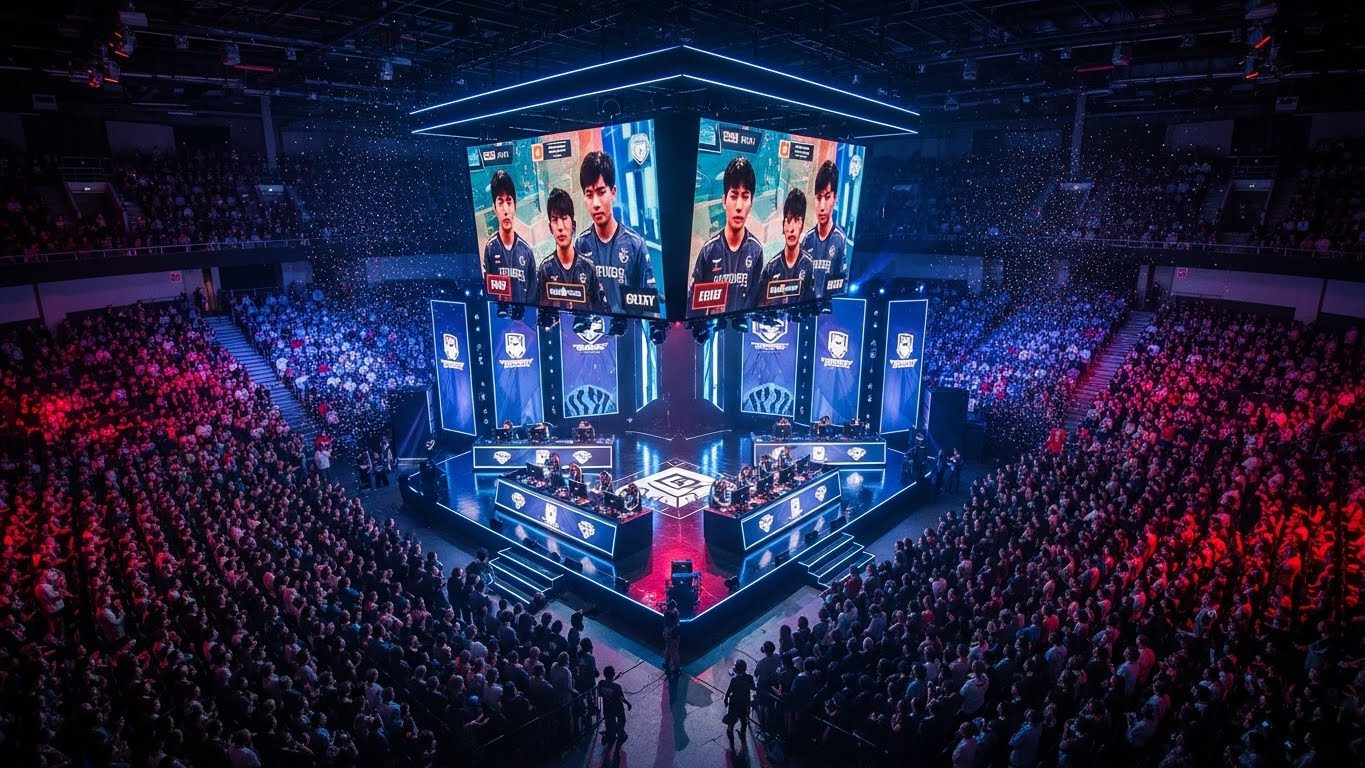
Not long ago, video games were considered a casual pastime, something enjoyed in bedrooms, internet cafés, or living rooms after school or work. Today, that perception has changed dramatically. Competitive gaming, now widely known as esports, has evolved into a global phenomenon with professional athletes, sold-out arenas, international tournaments, and millions of passionate fans. Esports is no longer just about playing games for fun; it is about discipline, strategy, teamwork, and performance under pressure. This transformation marks one of the most fascinating shifts in modern entertainment and sport.
Understanding Esports and Its Core Identity
Esports refers to organized, competitive video gaming where individuals or teams compete in structured tournaments. These competitions span multiple genres, including first-person shooters, multiplayer online battle arenas, real-time strategy games, sports simulations, and fighting games. What defines esports is not the game itself but the competitive framework around it. Players train rigorously, follow schedules, analyze opponents, and refine strategies, much like traditional athletes. The digital battlefield may be virtual, but the skills required are very real.
A Brief History of Competitive Gaming
The roots of esports can be traced back several decades. Early video game competitions took place in arcades and university campuses, where high scores and local bragging rights fueled competition. As home consoles and personal computers became more common, organized tournaments began to emerge. The arrival of high-speed internet was a turning point, allowing players from different regions to compete online. Over time, gaming communities grew, tournament organizers professionalized, and esports gradually transitioned from grassroots events into a structured global industry.
The Role of Technology in Esports Growth
Technology is the backbone of esports. Powerful gaming hardware ensures smooth performance, while advanced software allows precise tracking of player actions and statistics. Streaming platforms revolutionized how audiences consume esports, enabling fans to watch live matches, replays, and behind-the-scenes content from anywhere in the world. Social media further amplified this growth by connecting players, teams, and fans in real time. Without these technological advancements, esports would not have reached its current scale or influence.
Esports Athletes and the Reality of Professional Play
Professional esports players are often misunderstood. Many assume that success comes easily or relies purely on reflexes. In reality, esports athletes follow demanding routines that include long hours of practice, physical exercise, mental conditioning, and strategic review. Reaction time, hand-eye coordination, decision-making speed, and teamwork are critical skills. Top players also work with coaches, analysts, and sports psychologists to maintain peak performance. The lifestyle is intense, competitive, and often short-lived, making dedication and resilience essential.
Teams, Organizations, and the Business of Esports
Behind every successful esports athlete is an organization that provides structure and support. Esports teams function similarly to traditional sports clubs, complete with management, coaching staff, marketing departments, and sponsors. These organizations invest in talent development, brand building, and fan engagement. Revenue streams include sponsorships, merchandise, tournament winnings, and media rights. As the industry matures, esports organizations are becoming more sustainable and professional, attracting investors from both within and outside the gaming world.
Major Esports Titles and Competitive Diversity
One of the unique strengths of esports is its diversity of games. Unlike traditional sports, where the rules remain largely unchanged, esports titles evolve through updates and new releases. This creates a dynamic competitive environment. Different games emphasize different skills, from tactical planning and teamwork to individual precision and creativity. This variety allows esports to appeal to a wide audience and provides multiple pathways for players to find their niche within the competitive scene.
The Global Fanbase and Community Culture
Esports thrives on its community. Fans are not just passive spectators; they actively participate through online discussions, fan art, content creation, and grassroots tournaments. Esports audiences are global, crossing cultural and linguistic boundaries. Live events often feel like festivals, combining competition with entertainment, music, and fan interaction. This sense of belonging and shared passion is a key reason why esports has grown so rapidly and continues to attract new followers.
Esports and Traditional Sports: A New Relationship
Rather than competing with traditional sports, esports increasingly complements them. Many traditional sports organizations and athletes have invested in esports teams or leagues, recognizing the overlap in skills, competition, and fan engagement. Training methods from traditional sports, such as fitness routines and mental coaching, are now common in esports. At the same time, esports introduces traditional sports fans to digital competition, creating a mutually beneficial relationship that expands the definition of what sport can be.
Education, Careers, and Opportunities Beyond Playing
While becoming a professional player is a dream for many, esports offers numerous career paths beyond competition. These include coaching, event management, broadcasting, content creation, game development, marketing, and data analysis. Educational institutions have begun offering esports programs and scholarships, recognizing the industry’s potential. These opportunities make esports more accessible and sustainable, allowing individuals to contribute to the ecosystem in diverse and meaningful ways.
Challenges Facing the Esports Industry
Despite its success, esports faces several challenges. Player burnout, inconsistent regulations, and concerns about fair play remain significant issues. The rapid pace of growth can also lead to instability, with teams and tournaments sometimes struggling financially. Additionally, maintaining inclusivity and addressing toxicity within gaming communities are ongoing concerns. How the industry responds to these challenges will shape its long-term credibility and sustainability.
The Cultural Impact of Esports
Esports has influenced popular culture in profound ways. It has reshaped how people view gaming, transforming it from a solitary activity into a shared social experience. Esports has also challenged stereotypes about gamers, showcasing diversity in talent, nationality, and background. As a form of entertainment, esports blends competition, storytelling, and technology, reflecting the digital nature of modern society.
The Future of Esports
Looking ahead, the future of esports appears promising. Continued technological innovation will enhance realism, accessibility, and viewer engagement. As younger generations grow up with gaming as a normal part of life, esports will likely become even more mainstream. Integration with education, media, and traditional sports will further legitimize competitive gaming. While the landscape will continue to evolve, the core spirit of competition and community will remain at the heart of esports.
Conclusion: A New Era of Competition
Esports represents more than just games played at a high level. It is a cultural movement that reflects how technology, entertainment, and competition intersect in the modern world. From humble beginnings to global recognition, esports has proven that passion, skill, and dedication can turn pixels into podiums. As the industry continues to grow and mature, esports stands as a powerful example of how new forms of sport can emerge, thrive, and redefine what it means to compete.