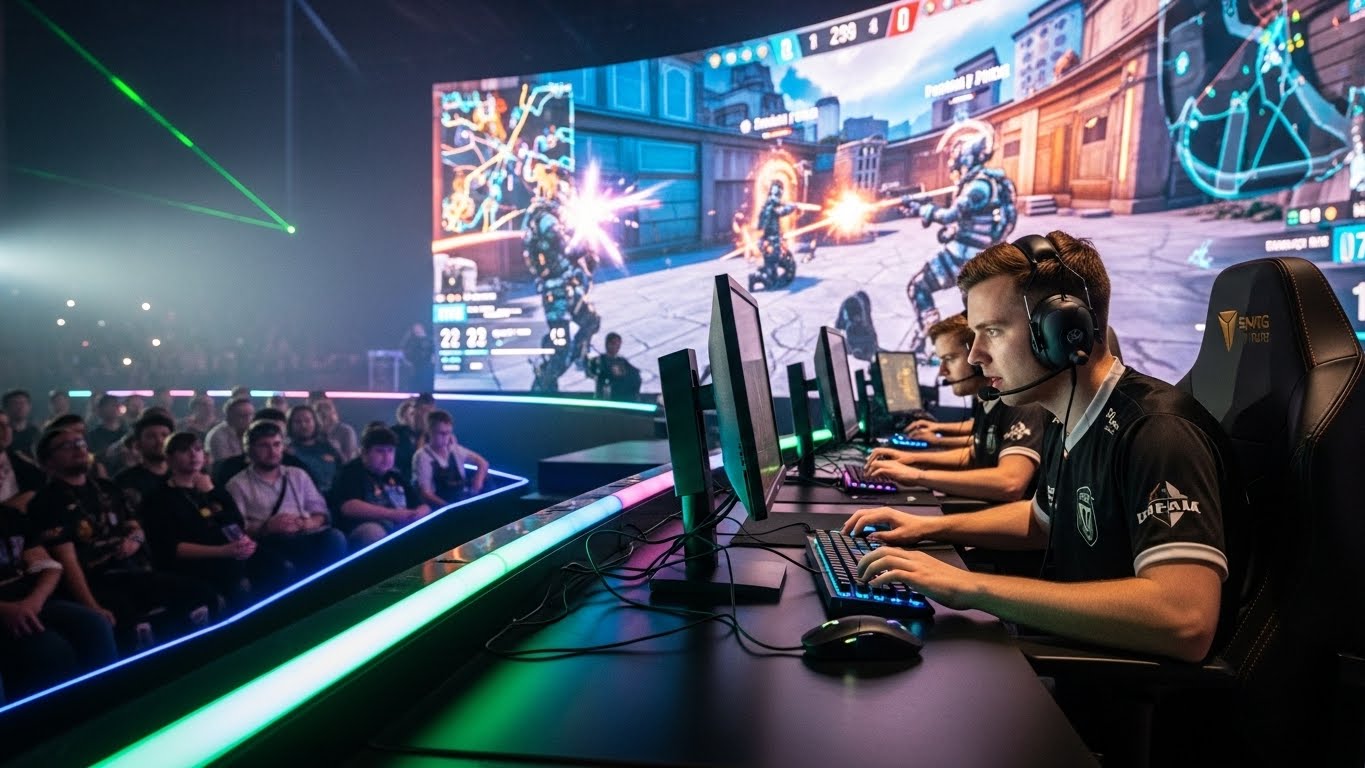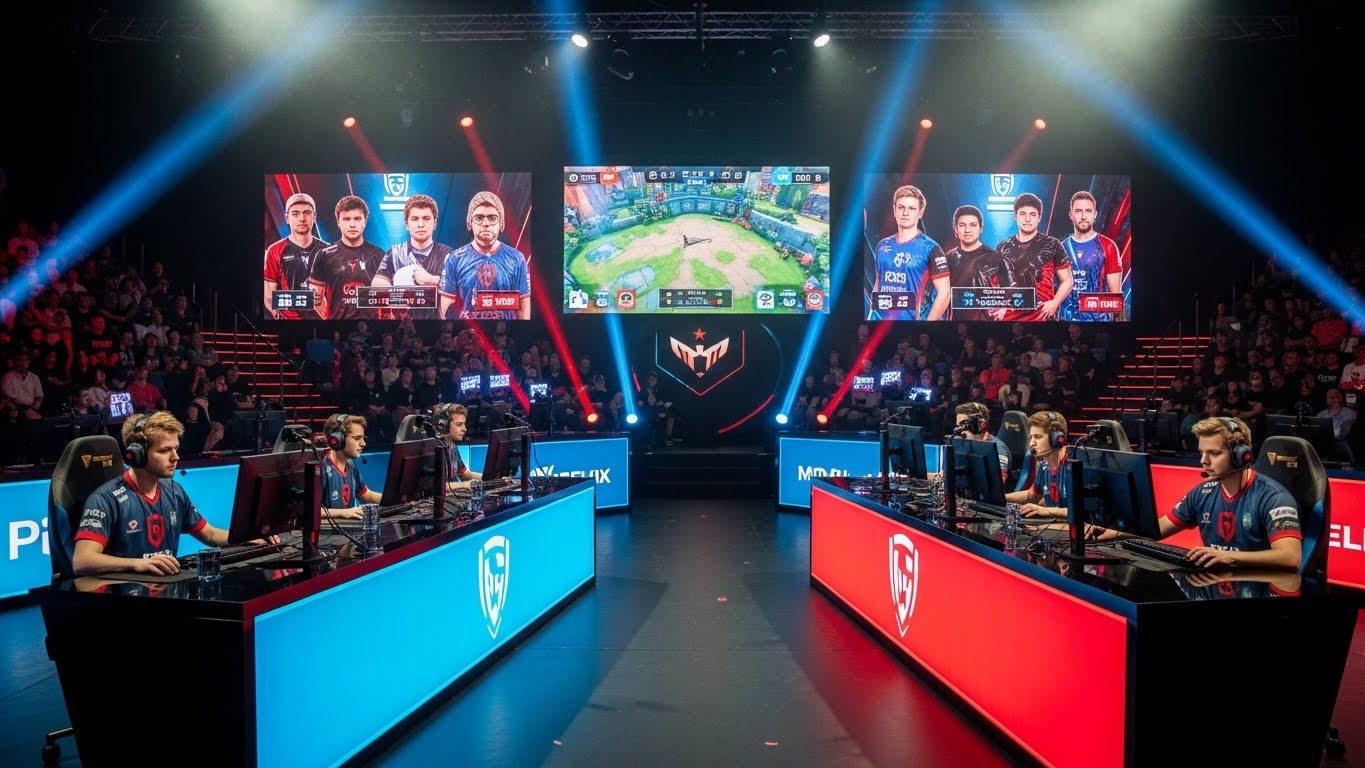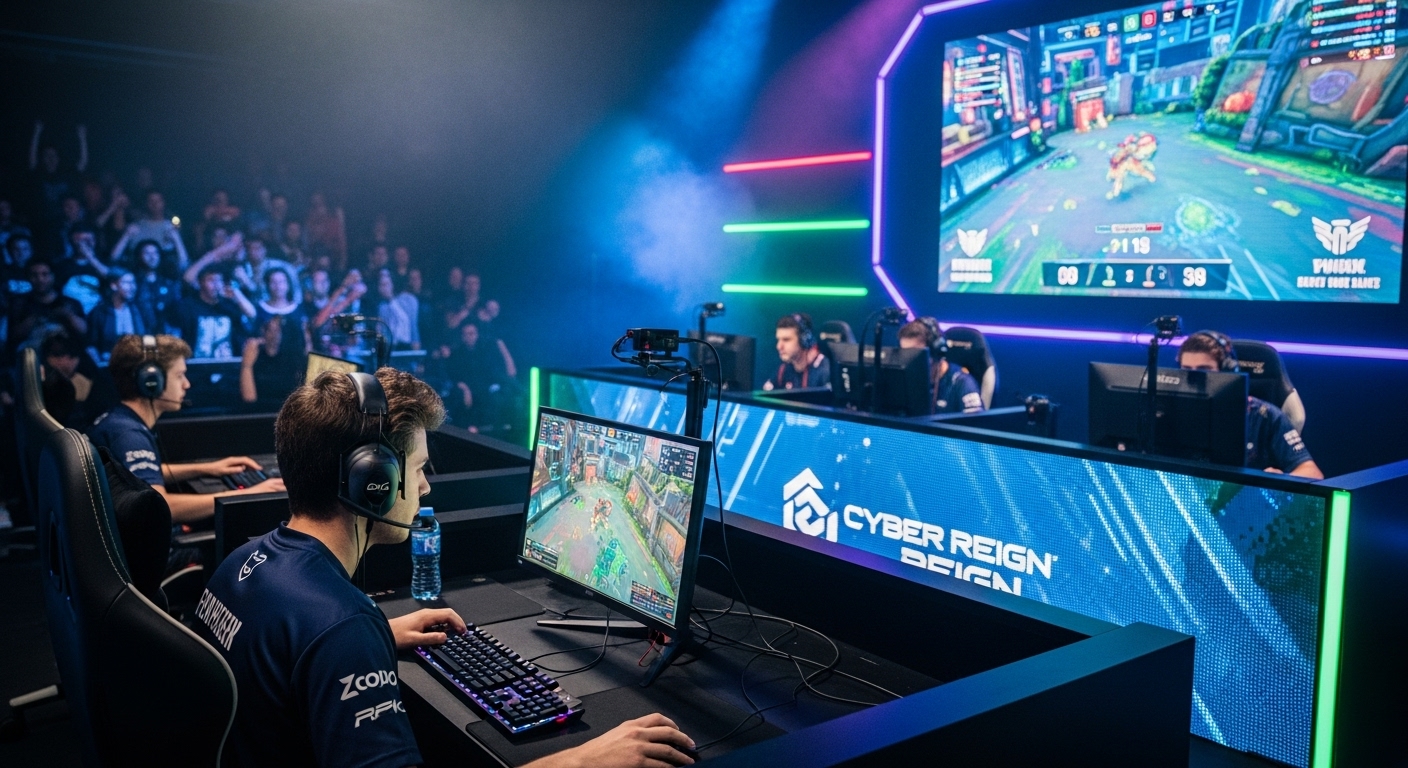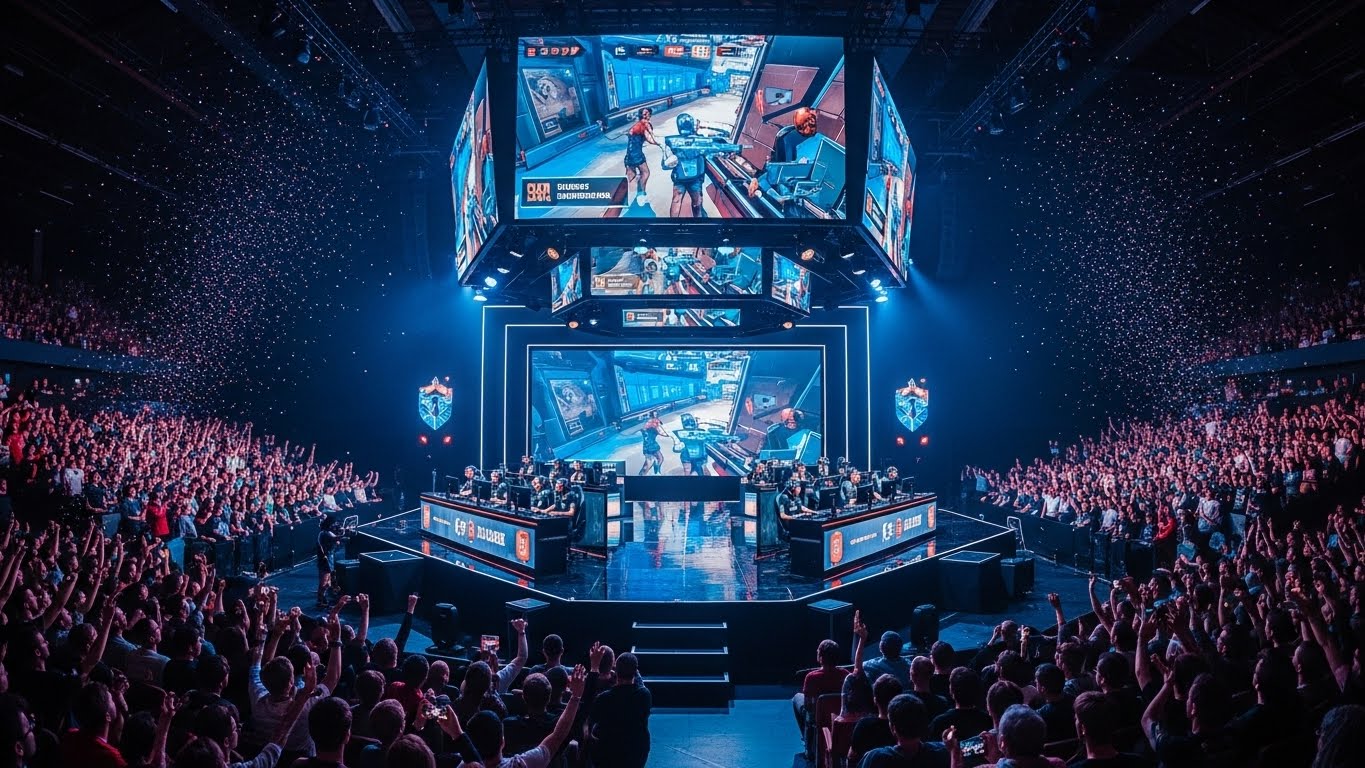
Esports, or electronic sports, has evolved from a niche hobby to a multi-billion-dollar industry that captivates millions of fans worldwide. What was once considered a pastime for gamers in basements and small tournaments has transformed into a professional arena with players, coaches, analysts, sponsors, and massive live audiences. This blog explores the history, growth, challenges, and future potential of esports, highlighting why it has become a cultural and economic powerhouse.
The Origins of Competitive Gaming
The roots of esports trace back to the early days of video gaming in the 1970s and 1980s. Early arcade competitions and high-score challenges laid the groundwork for competitive gaming. Titles like Pong, Space Invaders, and later Street Fighter introduced players to competitive environments. However, it was the emergence of online multiplayer games in the 1990s that truly set the stage for modern esports. Games like StarCraft in South Korea and Counter-Strike globally sparked interest in organized competitive gaming.
South Korea, in particular, played a pivotal role in shaping the esports landscape. In the late 1990s and early 2000s, the government and private sectors invested in gaming infrastructure, and professional leagues began to emerge. Players became celebrities, and esports tournaments were broadcast on television, making competitive gaming accessible to a mass audience. This early institutional support demonstrated that esports could evolve into a legitimate and sustainable career path.
The Growth of Esports as a Global Industry
Esports experienced exponential growth in the 2010s, fueled by several factors. Firstly, the expansion of high-speed internet allowed players around the world to compete in real time, eliminating geographical barriers. Secondly, streaming platforms transformed how fans engaged with esports. Services like Twitch provided gamers a platform to broadcast their gameplay to global audiences, giving rise to personalities who were as popular as traditional athletes.
Additionally, the rise of major esports titles such as League of Legends, Dota 2, Fortnite, and Call of Duty attracted millions of players and viewers. These games offered complex mechanics, teamwork strategies, and competitive depth that made them ideal for professional play. Esports tournaments began offering prize pools in the millions of dollars, drawing elite players and teams from around the world.
Sponsorship and investment also played a crucial role in the growth of esports. Major brands from tech, apparel, and even traditional sports began investing in esports teams and events. This financial support not only legitimized the industry but also fueled further expansion, creating professional leagues with structured seasons, contracts, and dedicated training facilities.
The Structure of Esports Competitions
Unlike traditional sports, esports competitions exist in both physical and virtual spaces. While some tournaments are held in stadiums with live audiences, many take place entirely online, connecting players across continents. Competitive gaming is organized through leagues, invitational tournaments, and international championships. Professional teams often include multiple roles such as players, coaches, analysts, and content creators to maximize performance and audience engagement.
Different games have different competitive structures. For instance, MOBAs (Multiplayer Online Battle Arenas) like League of Legends have seasonal leagues culminating in world championships. First-person shooters like Counter-Strike: Global Offensive or Valorant often operate with a series of international tournaments, while battle royale games like Fortnite hold seasonal competitions with online qualifiers and live finals. Despite these differences, all esports share a focus on strategy, reflexes, and teamwork.
The Role of Technology in Esports
Technology is at the heart of esports. High-performance hardware, fast internet connections, and sophisticated streaming platforms are essential to the competitive ecosystem. Players rely on advanced gaming peripherals, powerful computers, and optimized software settings to gain an edge in matches. Similarly, viewers expect high-quality broadcasts with real-time commentary, replays, and statistics.
Artificial intelligence and analytics have also started influencing esports strategy. Teams use data analysis to study opponents, optimize tactics, and enhance individual performance. Virtual reality and augmented reality are slowly making inroads, potentially transforming how esports is played and watched in the future. The technological evolution ensures that esports remains a cutting-edge industry, blending gaming, entertainment, and innovation.
The Cultural Impact of Esports
Esports has a profound cultural impact, reshaping how people perceive gaming. Once stigmatized as a trivial pastime, gaming is now celebrated as a legitimate form of competition and entertainment. Professional gamers are admired for their skill, dedication, and strategic thinking, similar to athletes in traditional sports. Esports fandom fosters global communities where fans connect over shared interests, participate in discussions, and attend live events.
Moreover, esports has influenced other media sectors. Movies, TV shows, and documentaries now explore gaming culture, while music artists collaborate with esports events for performances. The integration of esports into education is also emerging, with some universities offering scholarships and courses in competitive gaming, game design, and esports management.
Challenges Facing the Esports Industry
Despite its rapid growth, esports faces several challenges. Player burnout is a significant concern, as professional gamers often train for long hours under intense pressure. This can lead to physical and mental health issues, including repetitive strain injuries and stress-related disorders. Additionally, the esports ecosystem is highly competitive and unstable, with some teams and leagues struggling financially.
Another challenge is regulation. The esports industry operates globally, but standards for contracts, player rights, and anti-doping measures are still developing. Ensuring fair play, preventing cheating, and managing gambling or betting associated with esports also require careful oversight. Furthermore, the industry must address inclusivity and diversity, as certain demographics remain underrepresented in professional gaming.
The Future of Esports
The future of esports appears promising, with opportunities for continued growth and innovation. Emerging technologies like virtual reality could create entirely new competitive experiences, while mobile esports is expanding accessibility to millions of new players. Esports is also likely to become more integrated with traditional sports, entertainment, and education, further legitimizing the industry.
Economic projections suggest that esports will continue to attract investments from major corporations, advertising, and media rights. As tournaments grow larger and audiences expand globally, the industry could rival some of the biggest traditional sports leagues in terms of revenue and viewership. Importantly, esports offers new career paths not only for players but also for coaches, commentators, analysts, and content creators.
The community-driven aspect of esports ensures that its influence extends beyond the professional level. Amateur tournaments, streaming communities, and fan-driven events continue to engage millions, creating a feedback loop that fuels both grassroots growth and professional opportunities. Esports is no longer just a niche hobby—it has become a mainstream cultural and economic force.
Conclusion
Esports has come a long way from its humble beginnings as casual arcade competitions to a global phenomenon with professional leagues, massive audiences, and multi-million-dollar prize pools. Its growth has been driven by technology, community engagement, strategic gameplay, and increasing cultural acceptance. While challenges remain, the future of esports is bright, offering opportunities for innovation, entertainment, and professional development.
As esports continues to evolve, it is clear that competitive gaming is here to stay. It has redefined the boundaries of sports, entertainment, and technology, creating a new world where skill, strategy, and creativity are celebrated on a global stage. The rise of esports is not just about games; it represents the power of human connection, competition, and imagination in the digital age.