Introduction: Esports as a Global Phenomenon
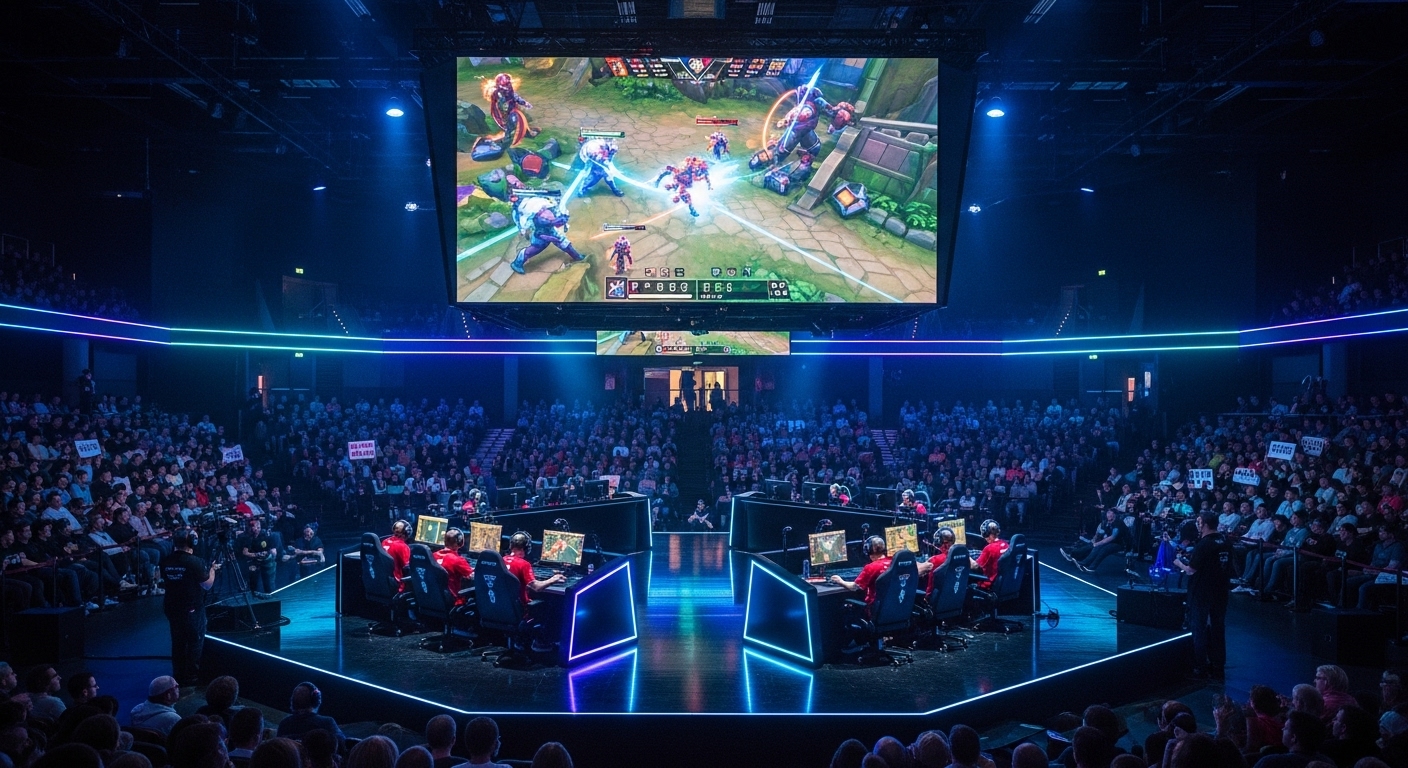
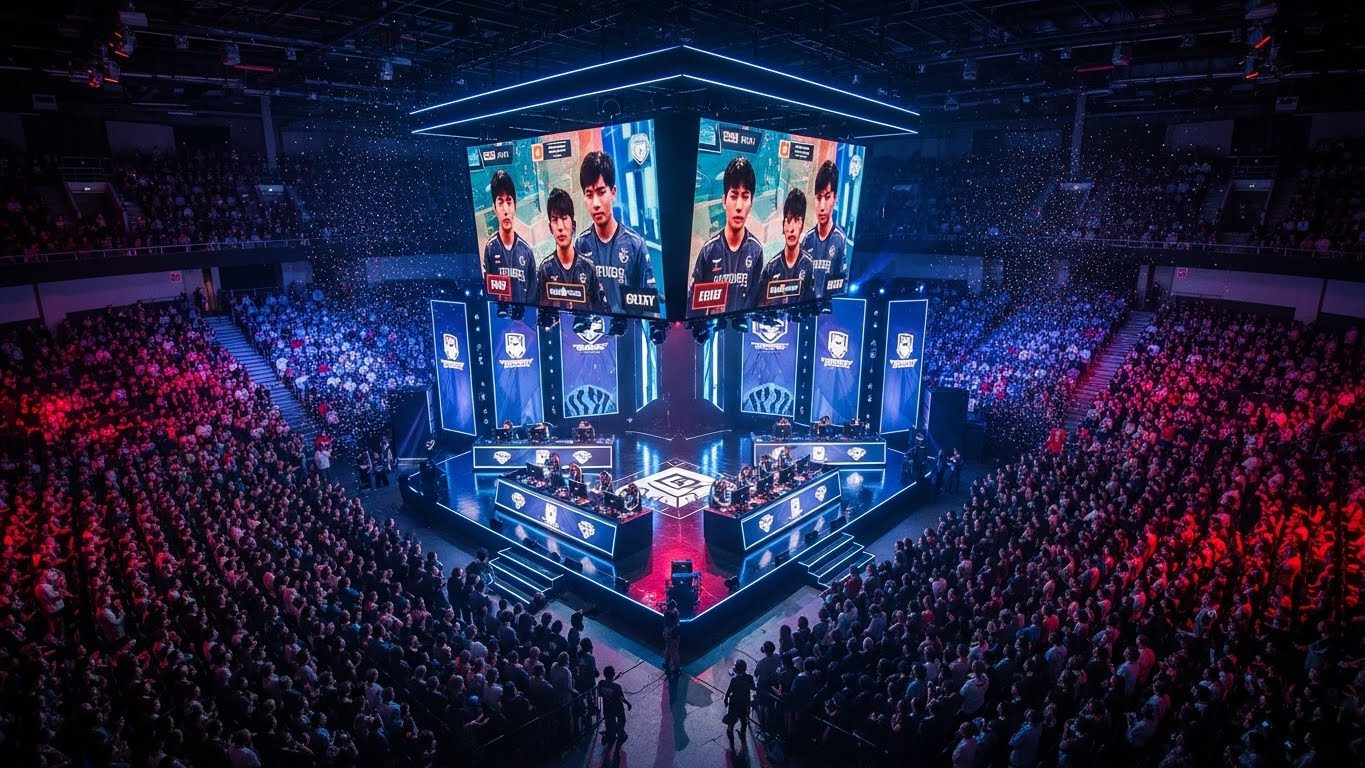
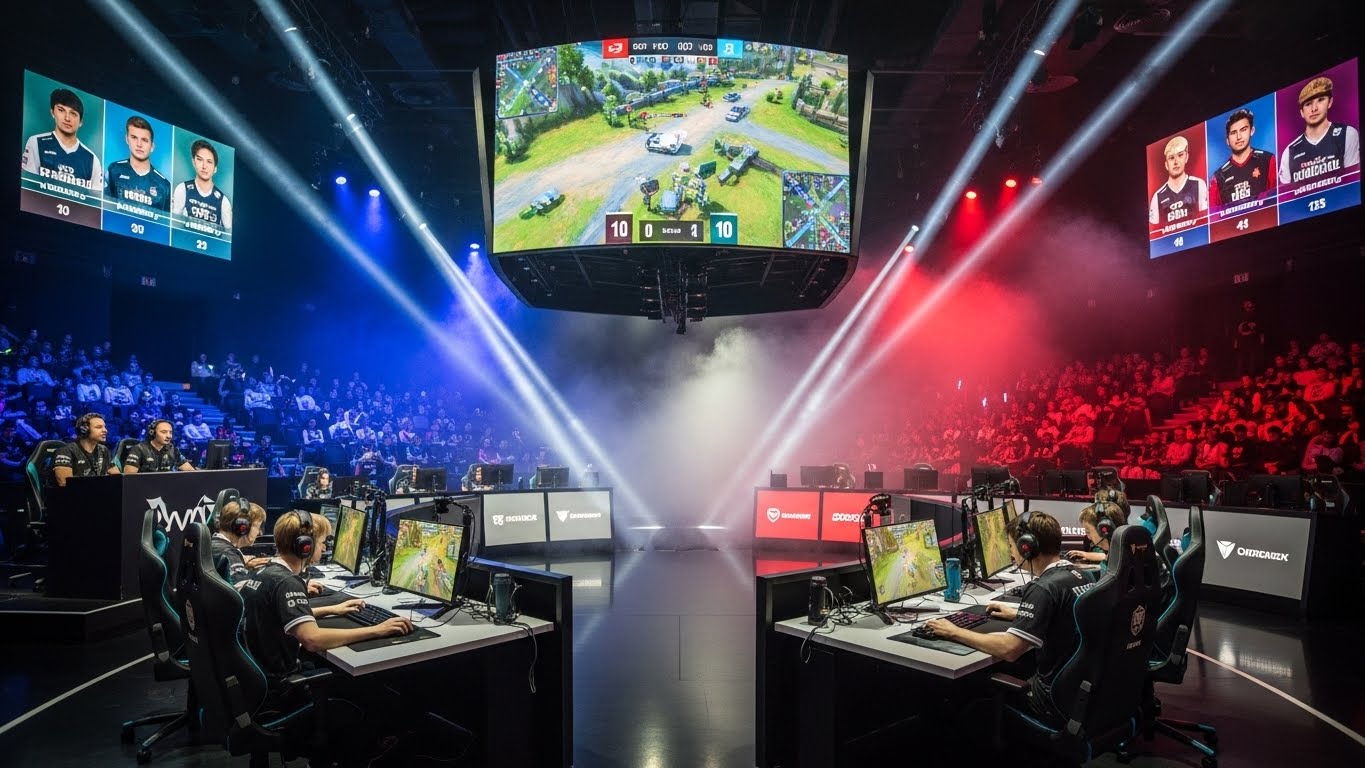
Esports has evolved from a niche pastime into a global phenomenon that attracts millions of players, fans, and investors. Competitive gaming is no longer confined to bedrooms or local tournaments; it has become a professionalized industry with organized leagues, international competitions, and massive audiences. Esports combines strategy, skill, teamwork, and technology, creating a form of competition that rivals traditional sports in intensity and popularity. This blog explores the growth of esports, the skills required for success, its cultural and economic influence, and what the future holds for this dynamic industry.
Understanding Esports: What Sets It Apart
Esports, short for electronic sports, is competitive gaming played at professional levels. Unlike casual gaming, esports involves structured competitions, strict rules, and professional training. Players compete individually or in teams, mastering complex game mechanics and strategies.
Esports spans various genres, including multiplayer online battle arenas, first-person shooters, real-time strategy games, sports simulations, and fighting games. Each genre demands unique skills, adaptability, and teamwork. The appeal lies not only in playing the game but also in the thrill of competition, community engagement, and spectator entertainment.
The Evolution of Esports
The history of esports is a story of technological advancement and cultural transformation.
Early Beginnings
Competitive gaming began in arcades and university campuses in the 1970s and 1980s. Although small-scale and informal, these early competitions fostered community and rivalry among gamers.
The Internet Revolution
The 1990s and early 2000s saw the rise of online multiplayer games. Titles like StarCraft, Counter-Strike, and Warcraft enabled global competition, allowing players to form communities, practice together, and compete at unprecedented scales.
Professionalization
The mid-2000s marked the emergence of professional esports. Tournaments became more structured, prize pools increased, and sponsorships began supporting teams and events. Major tournaments, such as the World Cyber Games and Major League Gaming, attracted international audiences and legitimized esports as a competitive arena.
Modern Esports
Today, esports is a global industry worth billions. Games like League of Legends, Dota 2, Fortnite, and Call of Duty dominate professional circuits. International tournaments fill arenas and attract millions of online viewers, demonstrating the worldwide appeal of competitive gaming.
Skills Required to Excel in Esports
Esports athletes must possess a combination of mental, physical, and strategic skills to succeed.
Strategic Thinking
Most esports games require deep knowledge of game mechanics, anticipation of opponent moves, and adaptive strategies. Players must constantly analyze the game state and make split-second decisions.
Hand-Eye Coordination and Reflexes
High-speed games demand exceptional reflexes and precision. Accurate and timely inputs can determine the outcome of critical moments in a match.
Teamwork and Communication
Team-based esports require seamless communication, coordination, and trust. Players must work together, share information, and execute strategies under pressure.
Mental Resilience
Professional players face intense pressure in high-stakes tournaments. Emotional control, focus, and the ability to recover from mistakes are crucial for consistent performance.
Continuous Practice and Analysis
Elite esports athletes train for several hours daily, reviewing gameplay, analyzing opponents, and refining strategies. Dedication and discipline are essential components of success.
The Esports Ecosystem
Esports is supported by a complex and interconnected ecosystem of players, teams, organizers, developers, and fans.
Professional Teams and Organizations
Teams function like traditional sports clubs, with coaches, analysts, and support staff. They train together, develop strategies, and compete in leagues and tournaments around the world.
Tournaments and Leagues
Esports tournaments offer structured competitions with prize money, rankings, and global recognition. Leagues such as the League of Legends Championship Series and the Dota Pro Circuit provide long-term platforms for teams to compete professionally.
Game Developers
Developers play a central role by designing competitive games, sponsoring events, and balancing gameplay to maintain fairness and engagement.
Media and Broadcasting
Esports broadcasts attract millions of viewers worldwide. Commentators, analysts, and production teams enhance the spectator experience, creating engaging narratives and excitement around competitions.
Fans and Communities
Fans are the backbone of esports. Online forums, live streams, social media, and fan events create strong communities that support teams and players, driving the industry forward.
The Economic Impact of Esports
Esports has become a multi-billion-dollar industry with far-reaching economic influence.
Revenue Generation
The industry generates income through sponsorships, advertising, merchandise, streaming platforms, and ticket sales. High-profile tournaments offer multi-million-dollar prize pools, attracting investment and attention from global brands.
Employment Opportunities
Esports supports a wide range of careers beyond players, including coaching, event management, marketing, broadcasting, and content creation. The industry provides diverse job opportunities for millions worldwide.
Brand Partnerships
Brands increasingly invest in esports to reach young, tech-savvy audiences. Sponsorships and collaborations enhance visibility, brand loyalty, and market influence.
Technological Innovation
Demand for high-performance gaming hardware, streaming technology, and analytics drives innovation in computers, peripherals, and software, benefiting related industries as well.
Esports and Education
Esports has found its way into educational institutions, providing opportunities for skill development and career growth.
Scholarships and Academic Programs
Colleges and universities offer scholarships for talented esports players and academic programs in game design, broadcasting, and event management.
Skill Development
Participation in esports develops leadership, communication, teamwork, and strategic thinking—skills that are transferable beyond gaming.
Community Engagement
School and college esports programs create inclusive communities where students collaborate, compete, and build friendships while pursuing academic goals.
Esports as a Cultural Phenomenon
Esports has grown into a powerful cultural movement, influencing entertainment, lifestyle, and youth culture.
Youth Engagement
Younger generations increasingly identify with esports as a primary form of entertainment and competition. Gaming personalities and content creators influence fashion, trends, and social behaviors.
Global Community
Esports transcends borders. Players and fans from different countries interact, fostering cultural exchange and promoting mutual understanding.
Recognition in Mainstream Media
Esports is gaining visibility through mainstream media, television coverage, and large-scale events, solidifying its position alongside traditional sports.
Challenges Facing Esports
Despite its growth, esports faces several challenges that require attention.
Player Health and Wellness
Long hours of training and high pressure can lead to burnout, physical strain, and mental health issues. Wellness programs and support systems are essential.
Regulation and Fair Play
Ensuring fair competition, preventing cheating, and maintaining ethical standards are ongoing challenges in the esports industry.
Financial Sustainability
Not all teams and events are profitable, and the industry must continue developing sustainable revenue models to ensure long-term growth.
Accessibility
While esports is inherently digital, access to equipment, stable internet, and training opportunities can be a barrier in some regions.
The Future of Esports
The future of esports is promising, driven by technology, accessibility, and global interest.
Technological Advancements
Virtual reality, augmented reality, artificial intelligence, and cloud gaming will introduce new forms of immersive competition and interactive experiences.
Mainstream Acceptance
Esports will continue to gain legitimacy as a professional sport, with increasing recognition in educational institutions, media, and international competitions.
Global Expansion
Emerging markets offer new players, teams, and audiences, contributing to the diversification and growth of the industry worldwide.
Professional Standards
As esports matures, better infrastructure, health support, and governance will enhance professionalism and sustainability.
Conclusion: Esports as a Modern Competitive Force
Esports has emerged as a transformative force in entertainment, culture, and global competition. It blends the strategic depth and excitement of traditional sports with the creativity and innovation of digital technology. Professional players showcase skill, discipline, and mental resilience, while fans drive a vibrant and interactive community.
As technology evolves and audiences expand, esports will continue to shape the future of competition, offering immersive, inclusive, and globally connected experiences. The rise of esports is a testament to human ingenuity, passion, and the universal desire to compete, connect, and achieve greatness in the digital age.