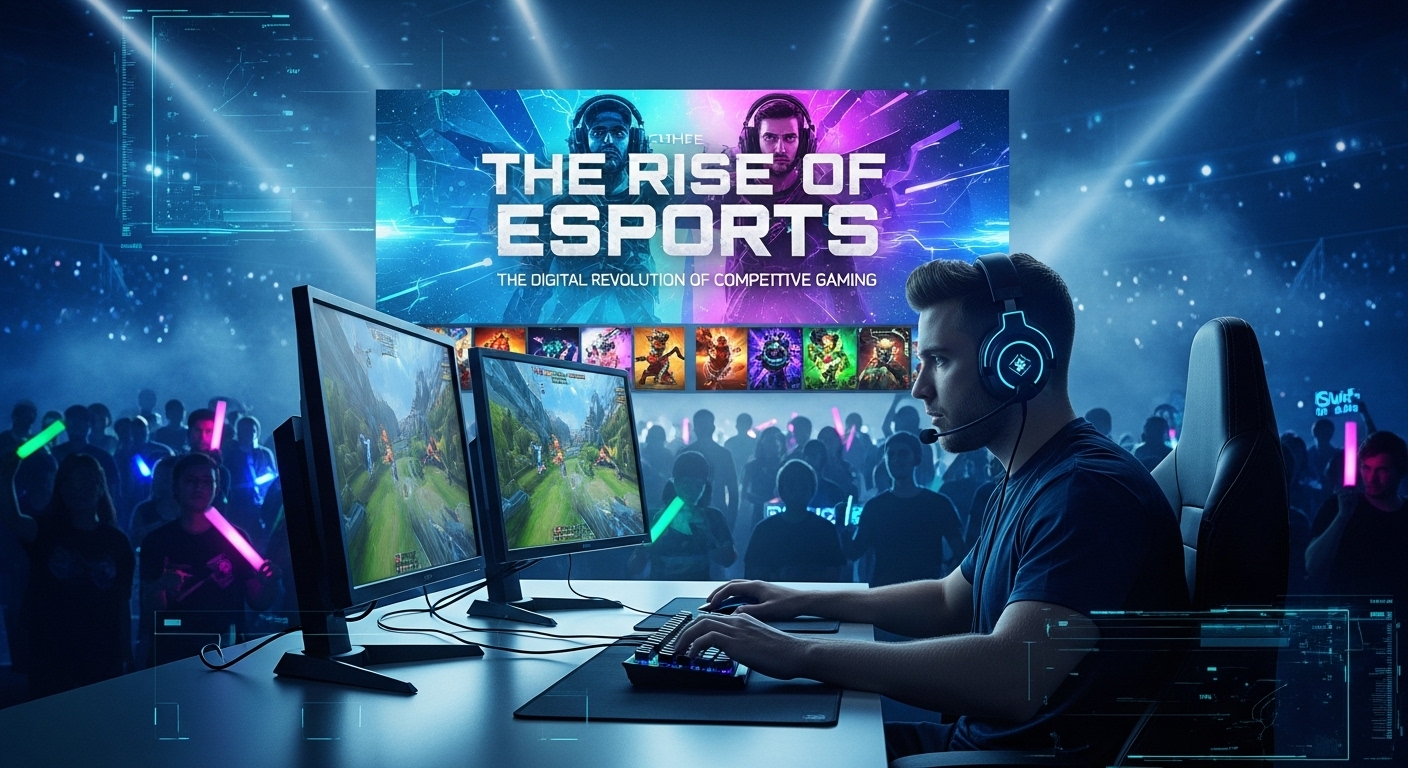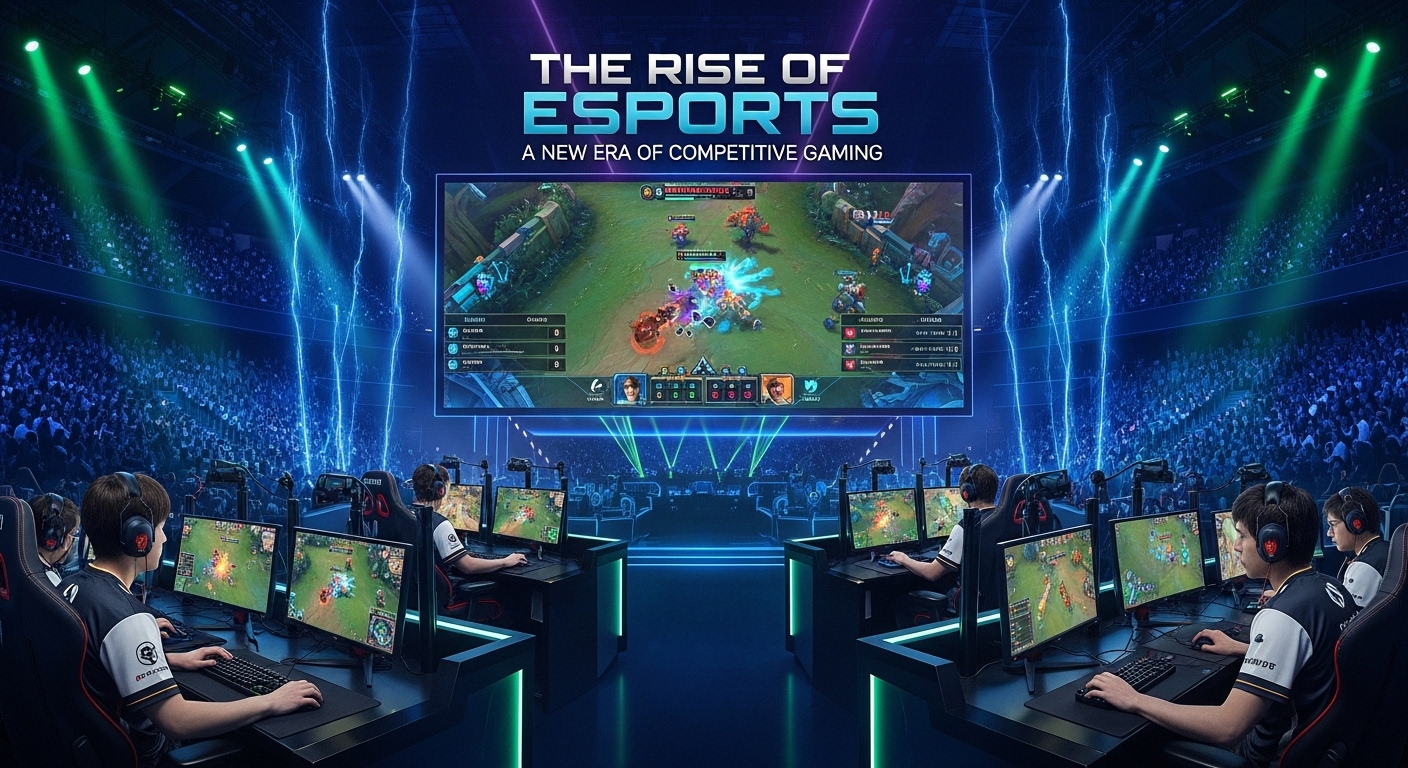
Introduction: The Rise of Competitive Digital Play
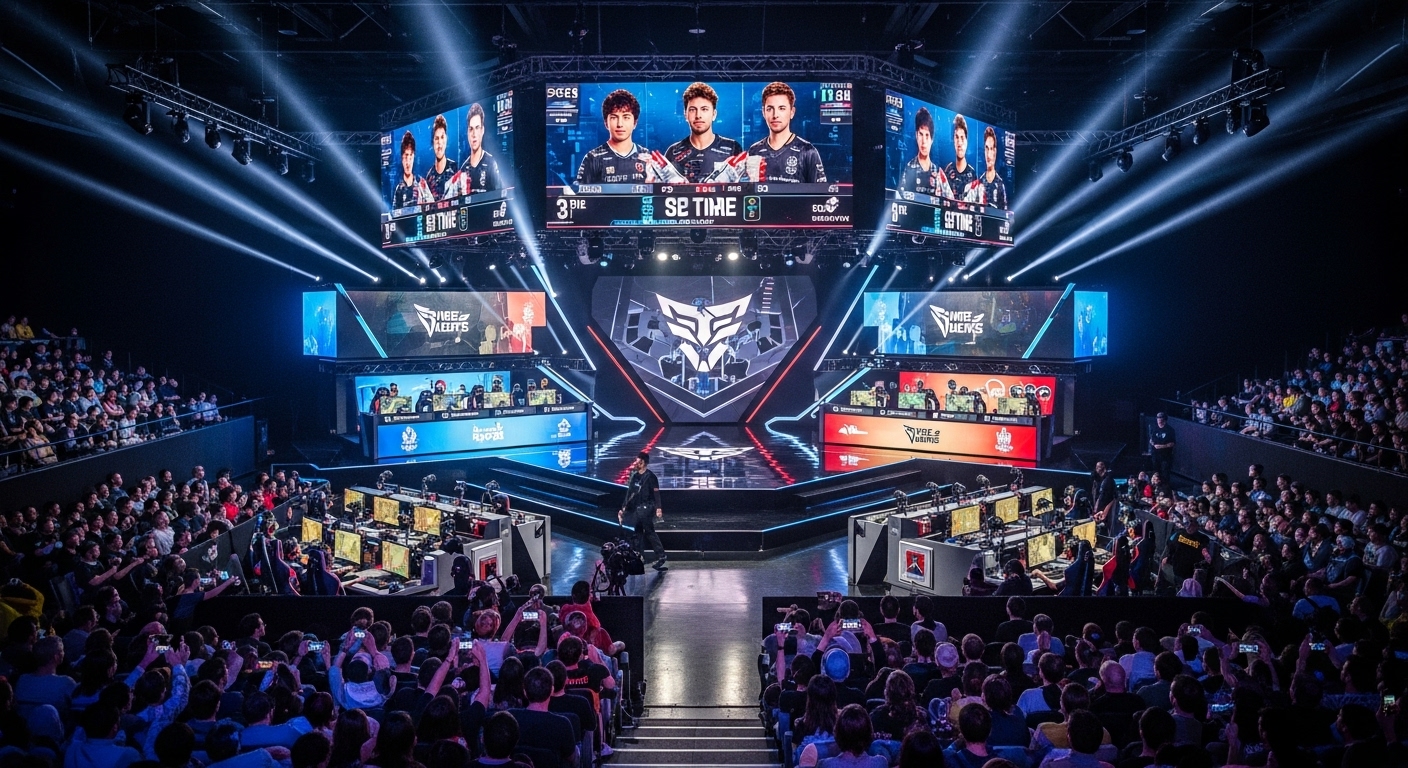
In the last decade, esports has transformed from a niche hobby enjoyed by small pockets of dedicated gamers into a global entertainment powerhouse. What was once seen as a pastime for the tech-obsessed youth has grown into a multi-billion-dollar industry, drawing massive audiences, inspiring professional careers, and reshaping modern sports culture. Today, esports events fill stadiums, break streaming records, and create celebrities out of players who demonstrate skill, strategy, and composure at levels previously associated only with traditional athletes. This blog explores how esports evolved, why it has captivated millions, and where the industry is heading next.
The Evolution of Esports: From Arcades to Arenas
Esports didn’t grow overnight. Its origins trace back to the arcade era, where high-score competitions sparked the first spirit of digital rivalry. As personal computers and online gaming emerged, competitive gaming began to form structured communities. Local tournaments turned into regional competitions, and soon global events became the new norm.
By the early 2000s, games like Counter-Strike, StarCraft, and Warcraft III established professional circuits in Asia, Europe, and North America. These early tournaments laid the groundwork for modern esports, demonstrating that competitive gaming was more than recreation—it was a legitimate sport with strategy, discipline, and fan followings.
The real explosion, however, occurred in the 2010s as streaming platforms offered unprecedented access to gameplay. Suddenly, watching esports became as convenient as watching any other sport. This shift turned professional players into influencers and entire gaming genres into mainstream entertainment pillars.
Why Esports Became a Global Phenomenon
Esports’ meteoric rise stems from a combination of technological advancement, cultural shifts, and universal accessibility. Unlike traditional sports, esports requires no physical space, weather conditions, or expensive equipment. Millions can participate virtually, leveling the playing field for global competition.
Another factor is the emotional connection viewers develop. Watching a skilled player execute flawless strategies or make split-second decisions evokes the same adrenaline rush found in football, basketball, or racing. The intensity is real, the stakes are high, and the sense of shared excitement binds the community together.
Additionally, esports appeals to younger generations who grew up immersed in digital environments. For them, gaming is not an escape but an extension of their identity, creativity, and social interaction. As this demographic gains purchasing power and cultural influence, esports thrives even further.
Popular Esports Titles and Their Unique Worlds
Esports includes a wide range of game genres, each with its own mechanics and fan base. Some focus on tactical precision, others on teamwork or individual brilliance. These are a few categories that dominate the competitive landscape:
Multiplayer Online Battle Arenas (MOBAs)
Titles like League of Legends and Dota 2 are strategic, fast-paced, and team-oriented. Success requires communication, planning, and deep knowledge of characters and their abilities. These games frequently host world-class tournaments where teams fight for massive prize pools.
First-Person Shooters (FPS)
Games such as Counter-Strike, Valorant, and Overwatch emphasize precision, reflexes, and tactical positioning. FPS competitions are among the most watched due to their thrilling action and strategic depth.
Battle Royale and Survival Games
This genre surged in popularity with titles like Fortnite and Apex Legends, bringing unpredictability and creativity to competitive formats. These games attract diverse audiences and are known for blending entertainment with spectacle.
Sports Simulations
FIFA, NBA 2K, and similar titles recreate traditional sports in digital form, offering competitive structures parallel to real-world leagues. These attract both gamers and sports fans, bridging two cultural spheres.
Each category offers something distinct, allowing esports to cater to varied interests and ensuring its broad global appeal.
The Esports Athlete: Skill, Discipline, and Determination
Contrary to the outdated notion that gaming requires little effort, professional esports athletes adhere to rigorous training schedules. They spend hours perfecting mechanics, studying strategies, analyzing opponents, and refining teamwork. Mental endurance, reaction speed, and decision-making under pressure are essential components of their daily training.
Additionally, esports professionals work closely with coaches, analysts, nutritionists, and sometimes even sports psychologists. The need to maintain peak performance parallels that of traditional athletes, and the physical demands of long practice sessions require proper care and discipline. This focus on professionalization elevates esports players to respected competitors in the global sports landscape.
The Role of Streaming in Esports Growth
Streaming platforms revolutionized the way esports reached audiences. Players could broadcast their gameplay, interact with fans, and build personal brands from their homes. This direct connection between athletes and viewers created a new form of celebrity—one rooted in personality, skill, and authenticity.
Live commentary, chat interaction, and the excitement of real-time matches turned esports into a dynamic experience. It wasn’t just about watching a competition; it became about belonging to a community. Events grew bigger, sponsors invested heavily, and esports started gaining mainstream media coverage.
Esports and Education: A New Pathway for Learning
A fascinating development in recent years is the integration of esports into educational systems. Schools and universities worldwide now offer esports clubs, scholarships, and academic programs. These initiatives recognize the value of esports in developing skills such as problem-solving, teamwork, leadership, and digital literacy.
Educational institutions understand that esports is more than gaming—it is a gateway to careers in technology, marketing, coaching, event management, and more. Students passionate about competitive gaming can now pursue academic and professional pathways aligned with their interests, creating new opportunities for the next generation.
Economic Impact: The Billion-Dollar Digital Revolution
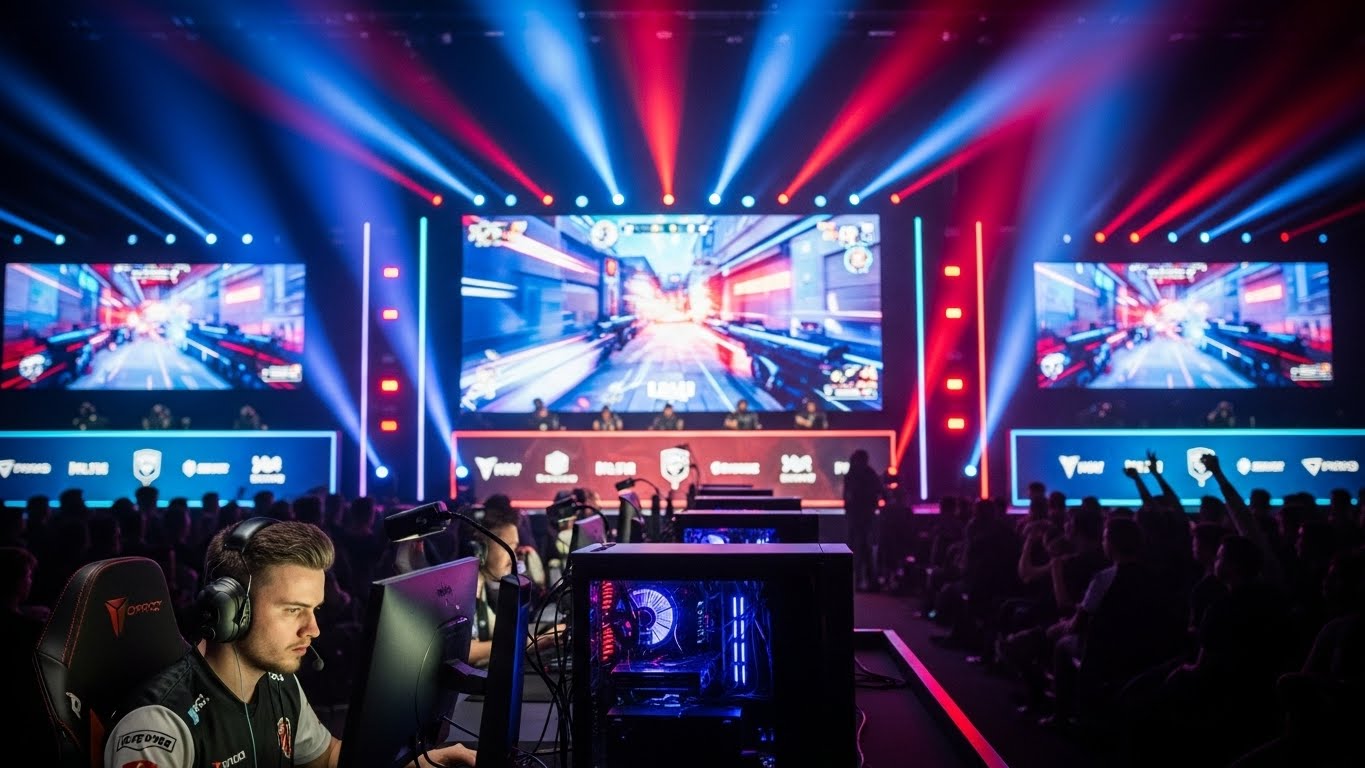
Esports is no longer just entertainment; it is an economic powerhouse. Revenue streams come from sponsorships, advertising, media rights, merchandise, in-game purchases, and tournament earnings. Top events draw audiences comparable to traditional sports championships, attracting global brands eager to reach younger consumers.
Teams operate like traditional sports franchises, complete with management, training facilities, and corporate partnerships. Cities compete to host major tournaments, recognizing the tourism and economic benefits. Entire industries—from hardware manufacturers to software developers—are thriving due to esports’ expansion.
The Social Influence of Esports Communities
One of esports’ most compelling aspects is its ability to unite people from different cultures, backgrounds, and regions. Online communities transcend borders, connecting fans through shared passion and friendly rivalry. These spaces foster friendships, collaboration, and creative expression.
Esports also encourages inclusivity. While challenges still exist, the industry is gradually opening doors for women, LGBTQ+ individuals, and players from underrepresented regions. Many organizations actively promote diversity and create supportive environments where every player can thrive.
Challenges That Esports Must Overcome
Despite its success, esports faces notable challenges. Player burnout is a growing concern, as intense training and constant travel take a toll on mental health. Maintaining competitive integrity, preventing cheating, and regulating tournament standards are ongoing priorities for organizers.
Additionally, the industry must continue addressing issues of inclusivity, fair compensation, and long-term career stability. As esports grows, developing sustainable structures and ethical frameworks will be crucial to its future.
The Future of Esports: What Lies Ahead
The next decade promises even more growth. Advancements in virtual reality, augmented reality, and artificial intelligence may introduce entirely new genres of competitive gaming. Esports will likely integrate deeper into traditional sports culture, with collaborations, crossover events, and shared audiences.
Educational programs will expand, more countries will invest in esports infrastructure, and professional players will gain further recognition as world-class athletes. The boundaries between physical and digital sports will blur as technology continues evolving.
Most importantly, esports will become a central pillar of global entertainment—one that continues to innovate, inspire, and bring people together.
Conclusion: The New Frontier of Competition
Esports has redefined what it means to compete in the modern era. It celebrates skill, strategy, creativity, and connection in ways that resonate with today’s digital generation. From grassroots communities to international championships, esports captures the excitement of traditional sports while offering limitless opportunities for innovation.
As gaming continues shaping culture and technology, esports stands at the forefront of a new era in entertainment. Its rapid ascent is not a trend but a testament to how digital worlds can unite millions and create meaningful, transformative experiences.