Introduction: Esports as a Cultural and Competitive Phenomenon
Esports has evolved from casual gaming into a global phenomenon that blends entertainment, competition, and culture. Once considered a niche hobby for a small group of gamers, esports has become a professional industry with structured teams, leagues, tournaments, and international fanbases. Its growth has been fueled by technological innovation, online streaming, and a generation that sees gaming as a serious pursuit. Today, esports is not just a pastime; it is a career path, a form of entertainment, and a cultural movement. It reflects the intersection of technology, strategy, skill, and community, redefining how people perceive sports in the digital age.
The Early Days of Competitive Gaming
The roots of esports can be traced back to the 1970s and 1980s with arcade games like Pong, Space Invaders, and Pac-Man. Players would compete for high scores, often in local arcades or small tournaments. By the 1990s, competitive gaming had evolved with titles such as Street Fighter, Quake, and StarCraft. These early competitions were often regional, but they set the foundation for what would become organized esports. The development of the internet allowed players to connect across countries and continents, creating the first global esports communities and setting the stage for modern professional gaming.
The Professionalization of Esports
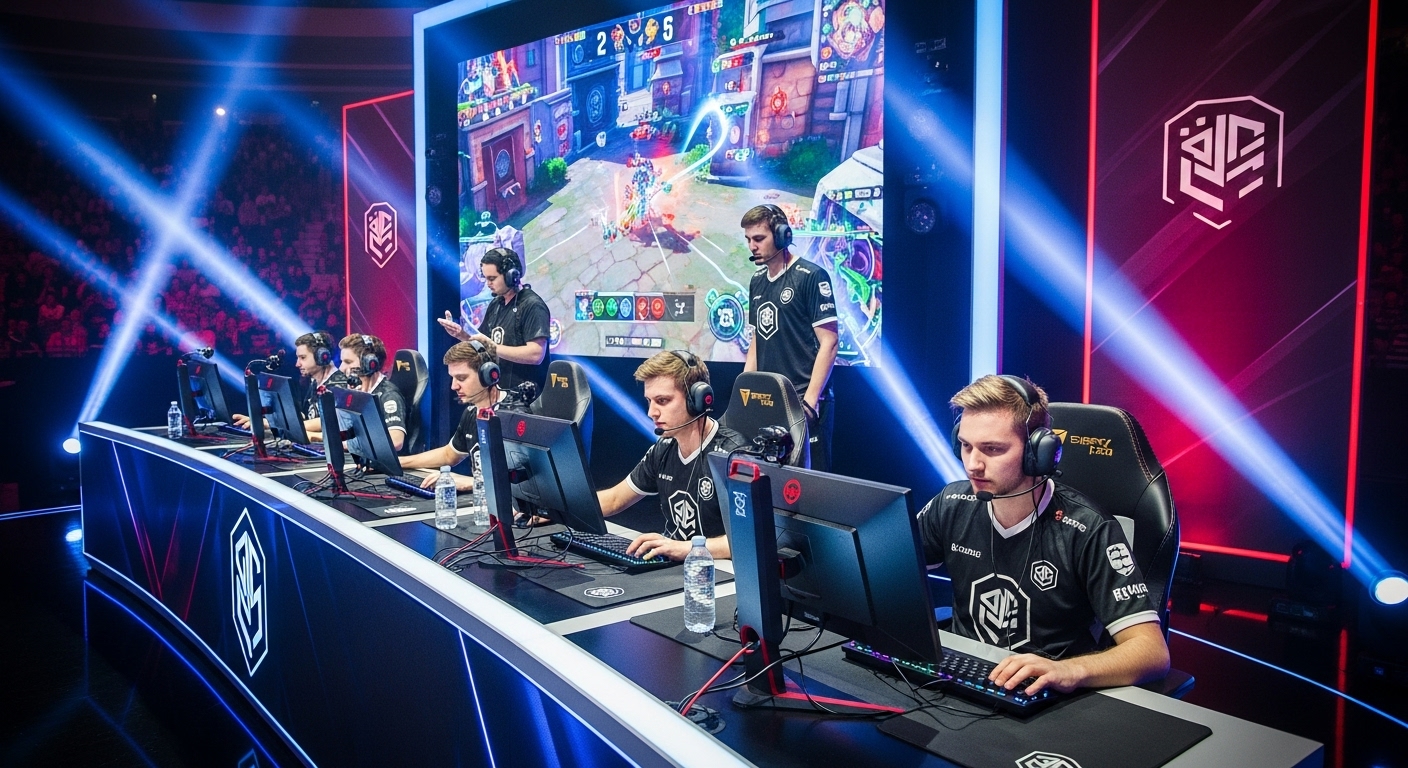
Esports became professionalized in the 2000s, with games such as League of Legends, Dota 2, and Counter-Strike establishing competitive leagues. Professional players began dedicating themselves full-time to training and competing, mirroring the discipline of traditional athletes. Teams developed structures similar to sports organizations, with coaches, analysts, nutritionists, and support staff. Sponsorship deals and prize pools provided financial stability for players, and international tournaments elevated esports to a mainstream phenomenon. The professionalization of esports demonstrates that gaming is more than entertainment; it is a career that requires dedication, strategy, and skill.
Popular Esports Titles and Their Appeal
The popularity of esports is closely tied to the games themselves. Multiplayer online battle arenas, or MOBAs, like League of Legends and Dota 2 emphasize strategy, teamwork, and communication. First-person shooters, such as Counter-Strike: Global Offensive and Call of Duty, demand precision, reflexes, and tactical awareness. Battle royale games, including Fortnite and Apex Legends, combine action and strategic planning, appealing to a younger audience. Each genre provides unique challenges and attracts distinct fanbases. The diversity of esports games ensures the industry remains dynamic, catering to a wide range of players and spectators.
The Role of Streaming Platforms in Esports Growth
Streaming platforms have been pivotal in the rise of esports. Platforms like Twitch and YouTube Gaming allow players to broadcast live matches to millions of viewers worldwide. These platforms transform esports into a spectator sport, providing fans with an interactive experience that goes beyond watching games. Viewers can comment, share strategies, and even influence content through feedback. Streaming also empowers amateur players to gain recognition, build fanbases, and turn their gaming passion into a source of income. The rise of streaming has democratized esports, making competitive gaming accessible to anyone with an internet connection and a desire to participate.
Training and Preparation in Esports
Professional esports players follow rigorous training routines similar to traditional athletes. Daily sessions often involve practicing individual skills, team strategies, and analyzing opponents’ gameplay. Mental preparation is equally important, as high-pressure tournaments demand focus, resilience, and quick decision-making. Physical fitness, nutrition, and sleep schedules are increasingly recognized as vital components of player performance. Coaching and support staff provide guidance and ensure that players maintain peak performance while avoiding burnout. The dedication required to succeed in esports underscores its legitimacy as a professional and highly demanding field.
Major Esports Tournaments and Events
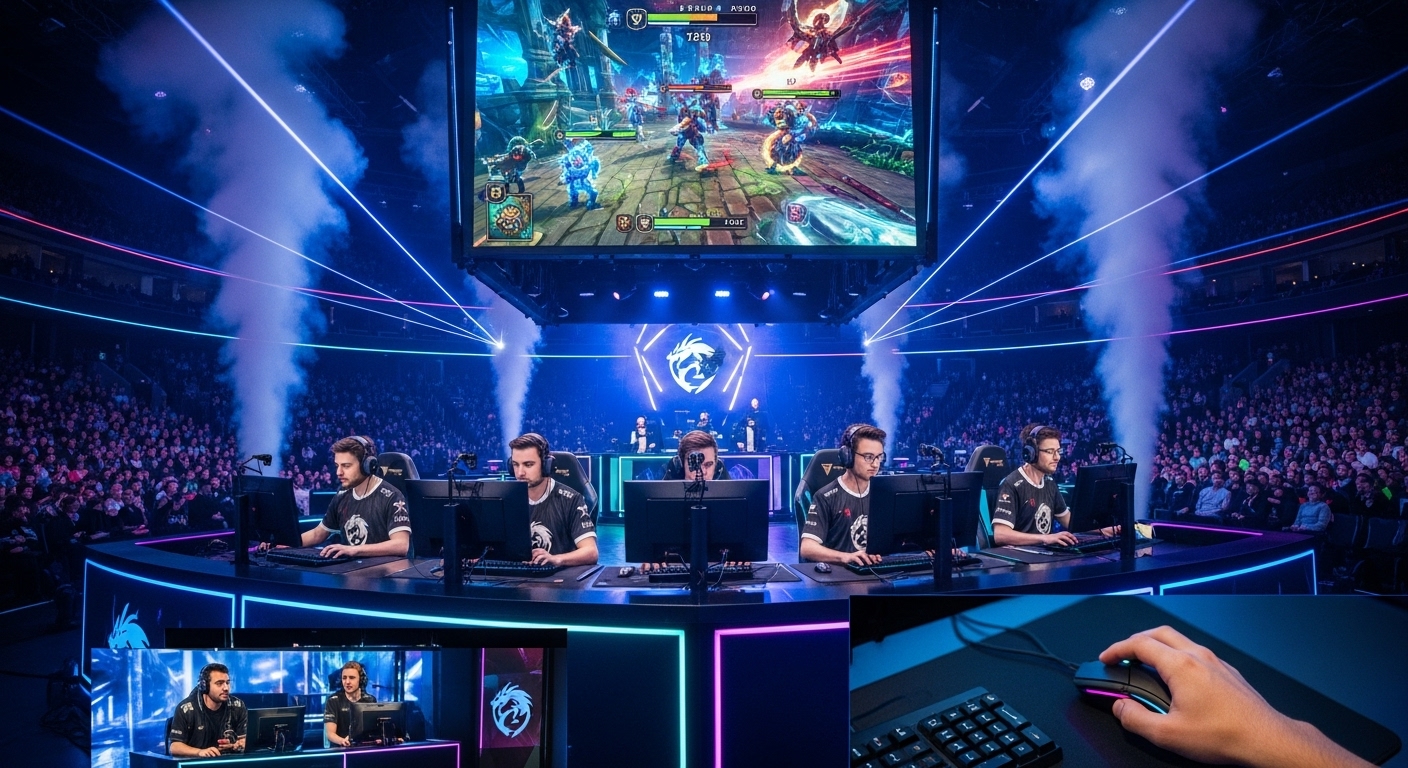
Esports tournaments are global events that attract millions of viewers and offer substantial prize money. The League of Legends World Championship, The International for Dota 2, and the Fortnite World Cup are prime examples. These events provide entertainment, showcase elite skill, and inspire aspiring players worldwide. Live tournaments fill arenas with cheering fans, creating an atmosphere comparable to traditional sports events. Beyond competition, tournaments foster community engagement, brand partnerships, and sponsorship opportunities. They highlight the organizational professionalism of esports and its growing cultural influence.
Economic Impact of Esports
Esports has grown into a multi-billion-dollar industry with diverse revenue streams. Sponsorships, advertising, ticket sales, merchandise, and media rights contribute to the financial ecosystem. Global brands invest in esports to reach a younger, digitally engaged audience, while teams function as businesses with management, marketing, and operational structures. The industry has created employment opportunities in areas such as event management, content creation, marketing, coaching, and game development. The financial success of esports reflects its sustainability and its importance as a cultural and economic force in the modern digital economy.
Esports in Education
Esports has started to make its way into educational institutions. Schools and universities now offer esports programs, campus teams, and scholarships to attract competitive players. These programs help students develop critical skills such as teamwork, leadership, strategic thinking, and digital literacy. Academic opportunities in esports include courses in game design, broadcasting, event management, and marketing. Integrating esports into education not only legitimizes competitive gaming but also provides pathways for students to pursue careers in a rapidly growing industry. It combines academic development with the excitement of professional gaming.
Cultural and Social Significance of Esports
Esports is more than a competitive activity; it is a cultural movement. It fosters communities where players and fans connect, share experiences, and form identities. Online platforms, forums, and live streams facilitate interaction, mentorship, and collaboration across global borders. Esports challenges traditional stereotypes of gamers by emphasizing skill, professionalism, and strategic thinking. Its influence extends into fashion, music, and mainstream media, reflecting the preferences of a digitally native generation. By connecting individuals worldwide, esports promotes cultural exchange and creates a sense of belonging for players and fans alike.
Challenges in the Esports Industry
Despite its growth, esports faces challenges that require attention. Player burnout, mental health issues, and the intense pressures of competition are ongoing concerns. Online toxicity, cheating, and harassment can affect both players and communities. The lack of standardized regulations and inconsistent contractual agreements creates potential conflicts between players, teams, and organizers. Inclusivity and fair play are critical for long-term success. Addressing these challenges ensures that esports remains a professional, safe, and respected industry that continues to attract new talent and maintain audience trust.
The Future of Esports
The future of esports looks promising, driven by technology and global participation. Emerging technologies like virtual reality, augmented reality, and cloud gaming could redefine competitive experiences. Increased global connectivity will broaden audiences and facilitate international participation. Esports may gain recognition alongside traditional sports in global competitions, further legitimizing its status. The industry will continue to innovate, expand, and professionalize, creating new opportunities for players, organizations, and fans. Esports is poised to remain a central feature of digital culture for decades to come.
Conclusion: Esports as a Defining Feature of Modern Culture
Esports represents the fusion of technology, competition, and culture. It has transformed gaming from a hobby into a professional industry with international recognition. Beyond entertainment, esports develops skills, builds communities, and drives economic growth. Its influence is evident in education, media, and social interaction. The rise of esports reflects broader societal trends, including the digitization of entertainment, the professionalization of gaming, and the global connectivity of communities. As esports continues to evolve, it will remain a defining feature of modern culture, inspiring players and fans worldwide while shaping the future of competition in the digital age.